
A dog not blinking one eye is a symptom that catches owners off guard because it looks unusual, feels urgent, and often points to an underlying eye or nerve issue.
Blinking is essential for eye lubrication and protection, so when your dog stops blinking normally, it’s important to pay attention.
Table of Contents
Dog Not Blinking One Eye: Why It Happens
A dog may stop blinking one eye due to facial nerve paralysis, eye pain, a corneal injury, exposure keratitis, or issues affecting the eyelid muscles. When the eye cannot blink, tears do not spread properly, which quickly leads to dryness, irritation, and visible discomfort.
Sometimes the problem begins inside the eye itself, such as with a foreign object or ulcer, while other times it is caused by nerve dysfunction that prevents the eyelid from moving.
In every case, the inability to blink is significant because it immediately leaves the eye vulnerable to damage.
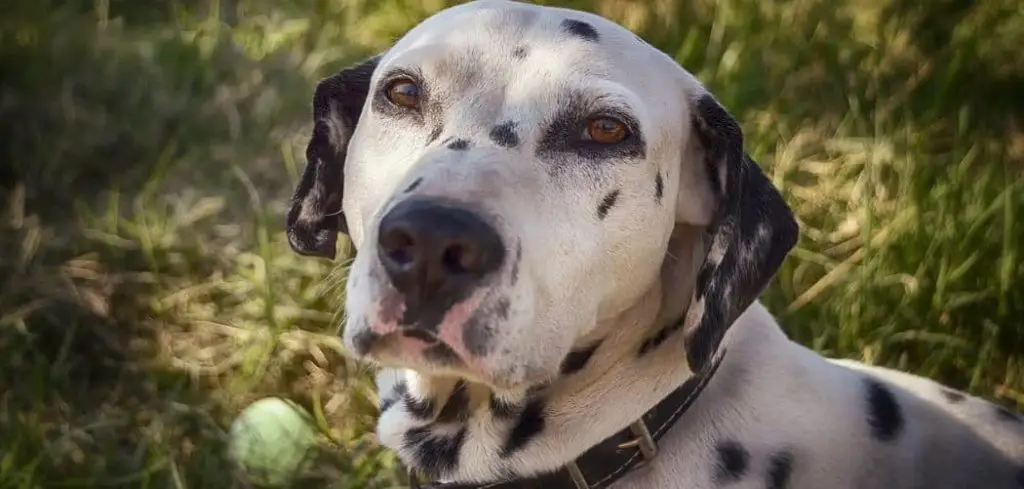
Dog Not Blinking One Eye Suddenly
A dog that suddenly stops blinking one eye may have an eye problem or weakness of the facial nerve that controls blinking.
Possible causes include a corneal injury or ulcer, something stuck in the eye, inflammation, trauma, or facial nerve dysfunction.
The affected eye may become dry because normal blinking helps spread tears across the cornea.
This should be assessed by a veterinarian immediately, because an eye that remains open can develop corneal damage.
Look for redness, squinting, excessive tearing, discharge, cloudiness, a drooping eyelid, or changes in the position of the face.
Do not use human eye drops or attempt to remove a suspected foreign object unless directed by a veterinarian.
Dog Not Blinking One Eye: Common Causes
Facial Nerve Paralysis
Facial nerve paralysis is one of the most common causes of a dog not blinking one eye. The facial nerve controls eyelid movement, ear positioning, and lip motion, so when it becomes injured or inflamed, the eyelid can no longer close or blink properly.
This may happen due to ear infections, trauma, tumors near the ear canal, or idiopathic facial nerve paralysis, which appears suddenly and without a known cause.
You may also notice a droopy lip, uneven facial expressions, or difficulty holding food on one side of the mouth.
This condition is serious because the inability to blink leaves the cornea exposed, leading to dryness, scratches, or ulcers. The eye may appear wide, shiny, or irritated, and tears may overflow because they aren’t being moved across the eye correctly.
Read more: Old Dog Eye Discharge (When to worry)
Corneal Ulcers
A dog not blinking one eye may be doing so because the eye is already painful from a corneal ulcer. When the cornea is damaged, blinking becomes uncomfortable, so dogs either blink less or avoid blinking on that side altogether.
Corneal ulcers develop from scratches, rough play, foreign bodies, or infections. The affected eye often looks red or weepy, and dogs may rub their face, squint, or keep the eye partially open.
Although it may seem counterintuitive, a dog in eye pain may blink less, not more, especially if the eyelid muscles are affected by swelling or spasms.
Ulcers are urgent because untreated damage can worsen quickly, increasing the risk of scarring or even loss of vision.
Foreign Body in the Eye
A small piece of grass, dirt, or debris stuck under the eyelid can cause a dog to stop blinking one eye. The body’s instinct is to reduce movement to avoid increasing discomfort, so the dog holds the eyelid still.
A foreign body can scratch the cornea every time the dog moves the eyelid, making blinking painful.
Other signs include watery discharge, pawing at the eye, redness, or sensitivity to light. Dogs may also hold the eye open wider than usual because it hurts to close it fully.
This cause is especially concerning because even minor debris can create a deep ulcer if it remains lodged for long.
Lagophthalmos (Incomplete Eyelid Closure)
Lagophthalmos means a dog cannot fully close the eyelid, often due to nerve dysfunction or structural eyelid abnormalities. When the eyelid cannot close properly, blinking is incomplete—or absent altogether—on that side.
This condition is dangerous because the eye dries out rapidly without proper tear distribution.
You might notice crusting, thick discharge, or the eye looking unusually open even during sleep. Some dogs develop secondary infections or keratitis, which makes the surface of the eye appear cloudy or irritated.
Because the dog physically cannot blink, this condition always needs veterinary care.
Eye Pain or Discomfort (Blepharospasm)
Eye pain from scratches, infections, glaucoma, or inflammation can make a dog hold one eye still and stop blinking. Instead of blinking, the dog may stretch the eyelid open or hold it slightly raised, as blinking triggers discomfort.
Glaucoma, in particular, can create acute pain and pressure, causing abnormal blinking responses.
The affected eye may look red, swollen, cloudy, or dilated. Blepharospasm—an involuntary spasm of the eyelid—may also appear as reduced or absent blinking if the muscles fatigue or lock.
Since eye pain can signal vision-threatening problems, a dog not blinking one eye should never be ignored.
Trauma to the Eyelid or Surrounding Muscles
Injuries from rough play, falls, or encounters with other pets can damage the eyelid muscles, making blinking difficult or impossible. Swelling around the eyelid may also restrict normal motion.
You may notice bruising, swelling, or a visible cut around the eye. Dogs may avoid blinking because the skin feels tight or painful.
In some cases, trauma can affect the nerve supply, resulting in temporary or permanent paralysis.
Because trauma can cause complications such as infection or ulceration, prompt evaluation is recommended.
Read more: Dog Not Blinking (What it means and what to do)
Senior Dog Not Blinking One Eye
A senior dog that suddenly cannot blink one eye may have facial nerve dysfunction, an ear problem, trauma, or an eye condition affecting the cornea
. Facial nerve problems can also cause drooping of the ear or lip on the same side, difficulty moving the eyelid, and sometimes drooling or difficulty eating.
Because older dogs can develop both neurological and ear-related conditions, a new inability to blink should not simply be attributed to aging.
Veterinary examination is important to determine whether the problem originates in the eye, facial nerve, middle or inner ear, or another part of the nervous system.
Protecting and lubricating the affected eye may be necessary to prevent corneal injury
Dog Not Blinking One Eye: What to Do
If your dog is not blinking one eye, the first priority is to protect the affected eye from drying out. Apply a dog-safe artificial tear lubricant if you have one available, which helps keep the cornea moist until your dog can be examined.
Avoid wiping the eye repeatedly, rubbing the eyelid, or attempting to remove debris unless it is clearly visible and easily accessible. Trying to fix the issue at home can worsen damage if the cause is deeper or if the debris is lodged under the lid.
Keep your dog from pawing at the eye by using an Elizabethan collar if you have one. This prevents additional scratches or trauma to an already vulnerable eye.
Encourage your dog to relax in a calm environment with minimal wind, dust, or sunlight exposure, as these can increase irritation. Dim lighting can be soothing for eye discomfort.
Most importantly, arrange a veterinary appointment as soon as possible. Eye issues progress quickly, and even a small delay can lead to complications that are harder to treat.
When to Call or Visit Your Vet
If your dog is not blinking one eye, veterinary care is needed within 24 hours, even if symptoms seem mild. Eyes deteriorate fast when they cannot blink, and delaying care increases the risk of infection or ulceration.
Seek urgent veterinary attention immediately if you notice redness, swelling, cloudiness, or yellow or green discharge. These signs point to inflammation or infection that requires prompt treatment.
If your dog is squinting, pawing at the eye, or showing signs of pain, do not wait. Painful eyes are always a red flag, and conditions like glaucoma or ulcers can become emergencies within hours.
If there is visible debris, or if your dog has recently experienced trauma or an ear infection, get help right away. These situations increase the risk of nerve damage that could affect eyelid movement.
Finally, seek emergency care if the eye appears dry, cracked, or shiny, as this indicates the cornea is no longer being protected by blinking.
Related: Old dog eyes (Common eye problems )
Dog Not Blinking One Eye: Treatment
Treatment depends on the underlying cause. Corneal injuries or ulcers may require veterinary-prescribed eye medication and pain control, while facial nerve dysfunction may require lubricating eye drops or ointment to prevent the exposed cornea from drying out.
If an ear infection, foreign object, trauma, or another underlying disease is responsible, that condition needs to be treated as well.
Key Takeaway
A dog not blinking one eye is always something to take seriously because blinking is essential for eye protection and health. Whether the cause is nerve paralysis, a corneal ulcer, a foreign body, or another type of eye pain, early intervention makes a significant difference in recovery.
The best approach is to keep the eye lubricated, prevent pawing, and seek veterinary care promptly.
With timely treatment, most dogs recover well and regain normal blinking. Your quick action ensures your dog’s comfort and preserves their long-term vision.


