
A dog with a mucus-covered nose can be concerning, especially if the discharge is excessive, colored, or accompanied by other symptoms.
While some nasal mucus can be normal, persistent or unusual mucus may indicate an underlying issue that needs attention.
We outline the common reasons why a dog may have a mucus nose, what you can do at home, and when to seek veterinary help.
Dog Mucus Nose: Why It Happens
A dog’s nose naturally produces some mucus to keep the nasal passages moist and trap dust, bacteria, and other irritants. However, when you notice excessive mucus, changes in color, or a runny nose, it usually a sign of irritation or infection in the nasal passages.
Causes can range from minor issues like seasonal allergies or environmental irritants to more serious conditions such as bacterial or viral infections, dental problems, or nasal polyps.
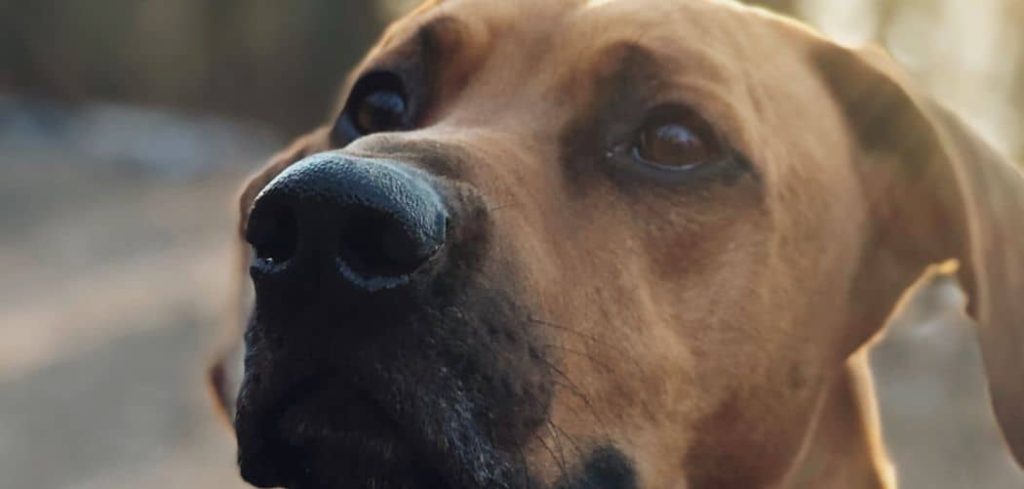
Dog Mucus Nose: Common Causes
Allergies
Dogs can be sensitive to pollen, dust, smoke, or strong odors, which can irritate the nasal passages. In response, the nose produces excess mucus to flush out the irritants.
Allergic dogs may show watery or clear nasal discharge, sneezing, paw licking, and itchy eyes.
While allergies are typically not life-threatening, chronic exposure can lead to persistent irritation, secondary infections, or discomfort.
Identifying and minimizing exposure to allergens, along with occasional use of vet-recommended antihistamines, can help manage symptoms.
Related: Dog coughing up white foamy mucus (What it means)
Upper Respiratory Infections
Upper respiratory infections caused by viruses, bacteria, or fungi can lead to increased mucus production in the nose.
Dogs with these infections may also cough, sneeze, have watery eyes, fever, lethargy, or reduced appetite.
Infections can be mild and self-limiting in some dogs, but in puppies, older dogs, or dogs with weakened immune systems, they can progress to pneumonia or other complications.
Veterinary evaluation may include nasal swabs, cultures, or imaging to determine the specific pathogen and guide treatment.
Foreign Objects in the Nose
Dogs often explore with their noses and may inhale small objects like grass seeds, plant material, or dirt.
These foreign objects can lodge in the nasal passages, causing irritation, sneezing, pawing at the nose, and mucus discharge, sometimes streaked with blood.
Left untreated, a lodged foreign object can lead to chronic inflammation or secondary infection. A veterinarian may need to examine the nasal cavity using specialized tools and safely remove the object.
Dental Problems
Dental disease, such as abscessed teeth or gum infections, can sometimes affect the nasal passages.
Upper canine or molar roots are very close to the nasal cavity, and infection can create a sinus connection, leading to mucus discharge from the nose.
Dogs with dental-related nasal mucus may also show bad breath, facial swelling, difficulty eating, or pawing at the mouth. Dental evaluation, cleaning, and treatment of infections are often necessary to resolve the nasal mucus.
Nasal Polyps or Tumors
Nasal polyps or tumors can develop in a dog’s nasal passages, causing chronic nasal discharge. Mucus may appear clear, cloudy, or even bloody.
Other signs include sneezing, snoring, nasal obstruction, or facial deformity.
These conditions require veterinary assessment for diagnosis and management. Imaging such as X-rays or CT scans, along with possible biopsy, can determine the nature of the growth and guide treatment options, which may include surgery or medications.
Dry Air or Dehydration
Dry indoor air, especially in heated environments, can dry out a dog’s nasal passages, causing thick or sticky mucus to accumulate.
Similarly, dehydration reduces mucus production efficiency, leading to crusty or viscous discharge.
Signs of dehydration include dry gums, lethargy, and reduced water intake. Ensuring your dog has access to fresh water and using a humidifier indoors can improve nasal moisture and reduce mucus buildup.
Read more: Dog green mucus nose (Should you worry?)
What to Do If Your Dog Has a Mucus Nose
If your dog has a mucus nose but is otherwise healthy, there are several steps you can take at home. Monitor the color, consistency, and frequency of the discharge, as well as any other symptoms like sneezing, coughing, or lethargy.
Keeping your dog’s environment clean and free of dust, smoke, and strong chemicals can reduce nasal irritation. Regular grooming and vacuuming can also help minimize allergens.
If allergies or mild irritants are suspected, wiping the nose gently with a damp cloth can remove excess mucus. Ensure your dog stays hydrated, as adequate water intake supports healthy mucus production.
Providing a calm, stress-free environment, along with appropriate air humidity, can also help reduce nasal irritation. If symptoms persist, worsen, or change in color, it’s best to consult your veterinarian for a proper evaluation.
When to Call or Visit Your Vet
You should seek veterinary care if your dog’s nasal mucus is accompanied by:
Thick yellow, green, or bloody discharge.
Persistent sneezing, coughing, or labored breathing.
Facial swelling, pawing at the nose, or discomfort.
Fever, lethargy, or reduced appetite.
Signs of dehydration such as dry gums or sunken eyes.
Suspected foreign object or tumor.
Veterinarians can perform diagnostic tests, including nasal swabs, blood work, X-rays, or CT scans, to determine the underlying cause and guide treatment. Early intervention can prevent complications and ensure your dog recovers comfortably.
Read more: Dog Mucus and Sneezing (Why it happens)
Key Takeaway
Mucus in a dog’s nose can range from minor irritation to a sign of a more serious underlying condition. While occasional clear discharge may be normal, persistent, colored, or bloody mucus warrants attention.
Observing your dog carefully, maintaining hydration and environmental cleanliness, and consulting your veterinarian when needed can help ensure your dog’s nasal health remains optimal.
With proper care, most causes of nasal mucus are manageable, and your dog can continue to breathe comfortably and stay healthy.