
A dog that suddenly won’t eat after getting vaccinated can be scary, especially when you know they were perfectly fine just hours before.
Appetite changes after a vaccine are common, but in some cases they can signal something more serious that needs attention.
Dog Lost Appetite After Vaccine: Here's Why
A dog losing interest in food after a vaccine is most often caused by immune system activation, mild fever, injection-site pain, gastrointestinal upset, or a temporary inflammatory response to the vaccine.
Vaccines stimulate the immune system to build protection, and that process can make dogs feel tired, sore, or slightly nauseous.
Some dogs also experience stress or anxiety from the vet visit itself, which can suppress appetite.
In rarer cases, allergic reactions or inflammation can interfere with normal digestion and energy levels, making eating feel uncomfortable or unappealing.
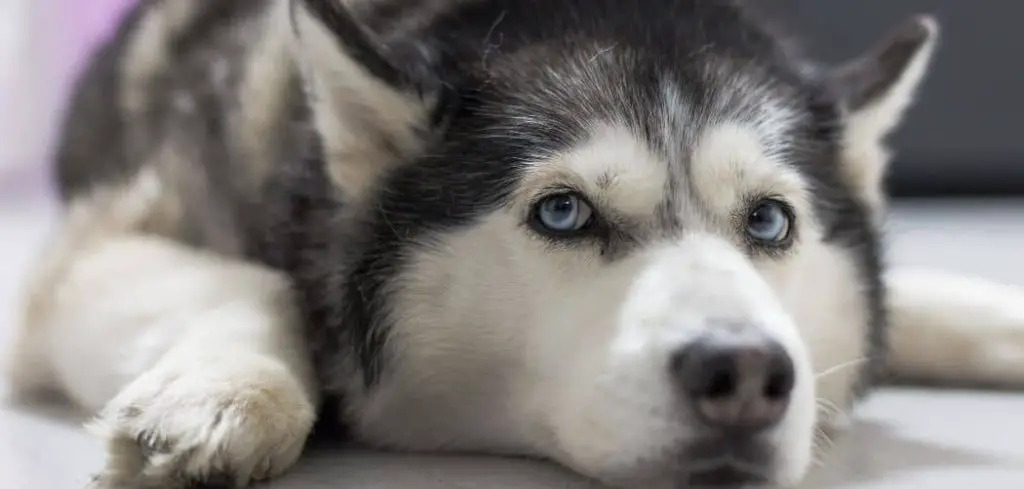
Dog Lost Appetite After Vaccine: Common Causes
Immune System Activation
After a vaccine, your dog’s immune system begins producing antibodies to fight off the weakened or inactive virus in the shot. This immune response is what protects your dog in the future, but it can also make them feel temporarily sick.
When the immune system is working hard, the body releases inflammatory chemicals that can reduce hunger, create mild fever, and make your dog feel tired or achy. Many dogs skip a meal or eat less for 24 to 48 hours because they simply don’t feel well.
This is one of the most common and least dangerous reasons for a dog losing appetite after a vaccine, but it still deserves monitoring to make sure it resolves.
Related: Dog suddenly not eating and vomiting (What it means)
Injection Site Pain and Muscle Soreness
Vaccines are injected into muscle or just under the skin, usually in the shoulder or hip area. That tissue can become inflamed and sore afterward, similar to how people feel after a flu shot.
If your dog is uncomfortable moving their neck, shoulder, or body, bending down to eat or standing at the food bowl may be painful. This physical discomfort alone can make them avoid food even if they are hungry.
Dogs may also flinch when touched, move stiffly, or seem reluctant to lie on one side. These signs suggest the loss of appetite may be related to pain rather than stomach upset.
Mild Fever After Vaccination
A low-grade fever is a normal response to many vaccines because the immune system is being activated. Even a small rise in body temperature can reduce appetite and make dogs feel lethargic.
When dogs have a fever, they often feel warm, sleepy, and uninterested in food. They may drink a little more water but avoid eating entirely.
This type of fever usually resolves within 24 to 48 hours, but during that time it can significantly impact how much your dog wants to eat.
Gastrointestinal Upset
Some dogs experience nausea, stomach irritation, or slowed digestion after a vaccine. This can happen because the immune system and nervous system both influence the gut.
When the stomach feels unsettled, dogs may sniff food but walk away, drool slightly, or even gag or vomit. Appetite loss in this case is the body’s way of protecting itself from further irritation.
If your dog also has diarrhea, lip licking, or swallowing frequently, gastrointestinal discomfort is likely contributing to their poor appetite.
Stress and Anxiety from the Vet Visit
For many dogs, the vaccination appointment itself is stressful. Car rides, strange smells, needles, and restraint can elevate stress hormones.
Stress causes adrenaline and cortisol to rise, which temporarily suppresses hunger. Even dogs who are normally good eaters may refuse food for several hours after a stressful experience.
This form of appetite loss usually resolves once your dog feels safe and relaxed again at home, but it can look concerning if you are not expecting it.
Allergic or Inflammatory Reaction
In rare cases, dogs develop an allergic or exaggerated inflammatory response to a vaccine. This can cause swelling, itching, hives, vomiting, diarrhea, or facial puffiness.
These reactions can also affect the digestive system, making your dog feel sick and unwilling to eat. When appetite loss is paired with facial swelling, difficulty breathing, or extreme weakness, this becomes an emergency.
Even milder allergic responses can suppress appetite for longer than 24 hours and should be discussed with a veterinarian.
Read more: Dog Vomiting After Vaccine (What it means)
What to Do
If your dog has lost appetite after a vaccine, the first step is to keep them calm and comfortable. Provide a quiet, warm resting place away from other pets and loud activity so their body can focus on recovering.
Make sure fresh water is always available. Even if your dog refuses food, staying hydrated helps regulate body temperature and flush inflammatory byproducts from the system.
You can offer small amounts of bland, easy-to-digest food such as plain boiled chicken or warm, soft dog food.
Warming food slightly can enhance its smell and make it more appealing to a dog that feels nauseous or sore.
Avoid forcing your dog to eat. Pressure can increase stress and make nausea worse. It is normal for a dog to skip one or two meals after a vaccine as long as they are otherwise stable.
Keep an eye on behavior, energy, and bathroom habits. Improvement within 24 to 48 hours is a good sign that the reaction is mild and resolving.
When to Call or Visit Your Vet
Call your veterinarian if your dog refuses all food for more than 48 hours after vaccination. Prolonged appetite loss may indicate ongoing inflammation, infection, or a more serious reaction.
Seek immediate care if appetite loss is accompanied by vomiting, diarrhea, facial swelling, hives, labored breathing, collapse, or extreme lethargy. These can signal an allergic or anaphylactic reaction that needs urgent treatment.
If your dog seems painful, cries when moving, or cannot lift their head to eat, pain relief or anti-inflammatory medication may be necessary.
Puppies, senior dogs, and dogs with chronic illnesses should be evaluated sooner, as they are less able to tolerate dehydration and calorie deficits.
Read more: Dog side effects after vaccines (Possible reactions explained)
Key Takeaway
A dog losing its appetite after a vaccine is usually a temporary reaction to immune activation, soreness, or mild fever.
Most dogs begin eating normally again within a day or two as their body finishes responding to the shot. However, persistent appetite loss or symptoms like vomiting, swelling, or weakness should never be ignored.
Trust your instincts, monitor your dog closely, and reach out to your veterinarian if something doesn’t feel right.