
Surgery can take a toll on any dog—physically and emotionally. If your dog is lethargic not eating after surgery, it can be understandably concerning, especially when you’re not sure what’s part of a normal recovery and what might signal a complication.
While some tiredness and appetite changes are expected post-operation, there are key signs that indicate when your dog may need additional help.
We outline the likely reasons behind these symptoms, how to care for your dog at home, and when to call the vet.
Table of Contents
Dog Lethargic Not Eating After Surgery: Why It Happens
When your dog is lethargic not eating after surgery, the most common reasons include the lingering effects of anesthesia, post-operative pain, emotional stress, nausea from medications, or complications like infection.
These symptoms can vary depending on the procedure performed, your dog’s age, and overall health.
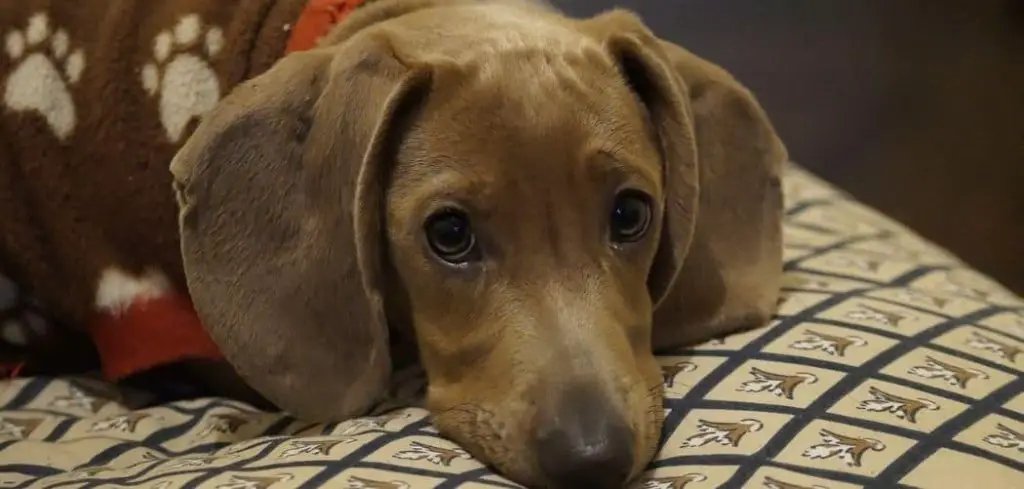
Is It Normal For A Dog To Be Lethargic After Surgery?
Yes, mild lethargy after surgery is very common. Anesthesia, pain relief medications, and the body’s healing process can make a dog tired, less active, and less responsive for a short period. This usually improves gradually over 1–3 days as the dog recovers.
However, extreme weakness, worsening lethargy, or failure to improve over time may signal complications and should be checked by a veterinarian.
How Long Will A Dog Go Without Eating After Surgery?
Most dogs may have a reduced appetite for 24–48 hours after surgery due to anesthesia, pain medication, stress, or nausea.
Some dogs may only eat small amounts during this period before gradually returning to normal feeding within a couple of days. Soft, bland food is often more acceptable during recovery.
If a dog refuses to eat for more than 48–72 hours after surgery, it becomes concerning and may indicate pain, infection, or complications that require veterinary attention.
What Are The Red Flags For Dogs After Surgery?
Red flags after surgery include persistent vomiting, refusal to eat or drink beyond 48–72 hours, severe lethargy, swelling or discharge at the surgical site, bleeding, difficulty breathing, collapse, or signs of severe pain such as crying or restlessness.
Fever or a foul smell from the incision can also indicate infection.
Any sudden or worsening symptoms after surgery should be treated as urgent because they may indicate post-operative complications.
Dog Lethargic and Not Eating After Surgery: Common Causes
Effects of Anesthesia
General anesthesia is necessary for most surgeries, but it doesn’t wear off immediately.
After surgery, your dog may seem drowsy, disoriented, or slow to respond.
This grogginess can last 12–24 hours and often leads to temporary appetite loss.
During this time, your dog may:
Sleep more than usual
Refuse food or water
Walk unsteadily or appear confused
As long as these symptoms gradually improve, there’s usually no cause for concern. Let your dog rest and recover in a quiet space with minimal stimulation.
Related: My dog is lethargic and not eating (Causes and when to worry)
Post-Operative Pain
Even with pain medications, your dog may still feel discomfort after surgery. Pain can lead to:
Lethargy
Whining or restlessness
Avoiding food
Moving slowly or awkwardly
Some dogs are more sensitive to pain than others, and certain procedures (like orthopedic surgeries or abdominal incisions) can be especially uncomfortable.
If your dog’s pain seems uncontrolled despite prescribed meds, contact your vet for an adjustment.
Medication Side Effects
Post-surgery medications such as antibiotics or pain relievers (especially opioids) can cause:
Nausea
Loss of appetite
Drowsiness or lethargy
Gastrointestinal upset (vomiting or diarrhea)
If your dog is refusing food and seems excessively sleepy, check if they’ve recently been dosed.
Ask your vet whether side effects are expected or if an alternative medication might be better tolerated.
Emotional Stress
Surgery, hospitalization, and the change in routine can be emotionally draining for dogs.
Returning home after such an experience may leave them feeling unsettled, anxious, or subdued.
Common emotional responses include:
Sleeping more than usual
Refusing meals for a day or two
Clinginess or hiding
Comfort, routine, and a calm environment go a long way in helping your dog recover mentally as well as physically.
Gastrointestinal Upset from Fasting or Stress
Before surgery, your dog likely fasted for many hours. This, combined with stress and anesthesia, can upset the digestive system, leading to nausea, diarrhea, or constipation.
If your dog hasn’t eaten in over 24 hours but shows no signs of vomiting or severe discomfort, try offering bland, warm food in small portions.
If GI issues continue or worsen, consult your vet.
Infection or Surgical Complication
While many dogs recover without issue, complications can occur. Watch closely for signs of infection or internal problems, especially if your dog seems worse instead of better each day.
Red flags include:
Swelling, redness, or discharge at the incision site
Vomiting or diarrhea
Fever (warm ears, shivering, or panting)
Extreme fatigue or collapse
Refusal to eat or drink for over 24 hours
Any of these signs warrants immediate veterinary evaluation.
Dog Not Eating 5 Days After Surgery
A dog not eating five days after surgery is a strong warning sign that something is wrong. While mild appetite loss is normal shortly after surgery, it should not persist this long.
Causes may include pain, infection, nausea, or complications from the surgical procedure.
Veterinary examination is needed immediately to identify the cause and prevent further decline.
Old Dog Lethargic Not Eating After Surgery
In older dogs, lethargy and loss of appetite after surgery are more concerning because senior dogs recover more slowly and are more sensitive to anesthesia and pain medications.
They are also at higher risk of complications such as infection, organ stress, or delayed healing.
If an older dog is not improving within a couple of days or is getting worse, veterinary reassessment is important to ensure proper recovery.
Senior Dog Not Eating 2 Weeks After Surgery
A senior dog not eating two weeks after surgery is not normal and suggests a serious underlying problem.
Possible causes include ongoing pain, infection, organ complications, medication side effects, or an unrelated illness that developed during recovery.
This situation requires urgent veterinary evaluation, as prolonged lack of appetite can quickly lead to weakness, weight loss, and delayed healing.
What to Do If Your Dog Is Lethargic and Not Eating After Surgery
Here’s how to support your dog at home during post-surgery recovery:
Offer small, bland meals – Boiled chicken, rice, or vet-recommended recovery diets can help restart appetite.
Keep the environment quiet and calm – Allow your dog to rest without interruption.
Follow medication instructions closely – Never skip pain meds without guidance, and alert your vet if vomiting or severe drowsiness occurs.
Monitor the incision site – Check daily for redness, swelling, or discharge.
Encourage gentle hydration – Offer fresh water or ice chips; if they won’t drink, try unsalted broth.
Keep a journal of your dog’s behavior, food intake, and symptoms to share with your vet if needed.
When to Call or Visit Your Vet
Contact your vet right away if:
Your dog refuses food and water for more than 24 hours
Lethargy worsens instead of improving
The incision appears red, swollen, or leaking
There’s vomiting, diarrhea, or bloating
Your dog cries out in pain or refuses to move
There’s excessive shaking, panting, or fever
Some surgeries have longer recovery timelines than others, but a steady improvement is always expected.
Don’t hesitate to reach out—your vet wants to ensure your dog’s recovery is smooth.
Related: My dog is drooling and lethargic (Here’s why)
Dog Lethargic and Not Eating After Surgery: Treatment
Treatment depends on the underlying cause. The veterinarian may adjust pain medication, provide anti-nausea drugs, administer fluids for dehydration, or treat infections if present.
In some cases, diagnostic tests such as blood work or imaging are needed to rule out complications.
At home, ensure your dog is warm, comfortable, and offered small, bland meals, but avoid forcing food.
Key Takeaway
If your dog is lethargic and not eating after surgery, don’t panic—it’s often a normal part of the healing process.
However, your role in monitoring their progress is crucial. Be alert to signs of pain, infection, or poor medication tolerance.
With patience, love, and the right post-operative care, most dogs recover well and return to their happy selves in no time. And remember, when in doubt, your veterinarian is just a call away.