
A dog being lethargic after a vaccine can be worrying, especially when the change seems sudden. Many dogs experience tiredness, low energy, or mild discomfort for a short period after receiving their shots.
While this reaction is usually normal, it’s still important for owners to understand why it happens and how long it should last.
This guide explains the most common causes of lethargy in dogs after vaccination, what you can do at home, and when it’s best to involve your veterinarian.
Dog Lethargic After Vaccine: Why It Happens
A dog may be lethargic after a vaccine due to mild immune reactions, temporary inflammation, soreness at the injection site, fever, or stress from the veterinary visit. These factors affect each dog differently, making some tired for a few hours and others more subdued for up to a day.
Vaccines work by stimulating the immune system, and this natural process can briefly reduce energy levels.
In some cases, more noticeable lethargy can be linked to a stronger immune response or, rarely, an allergic reaction.
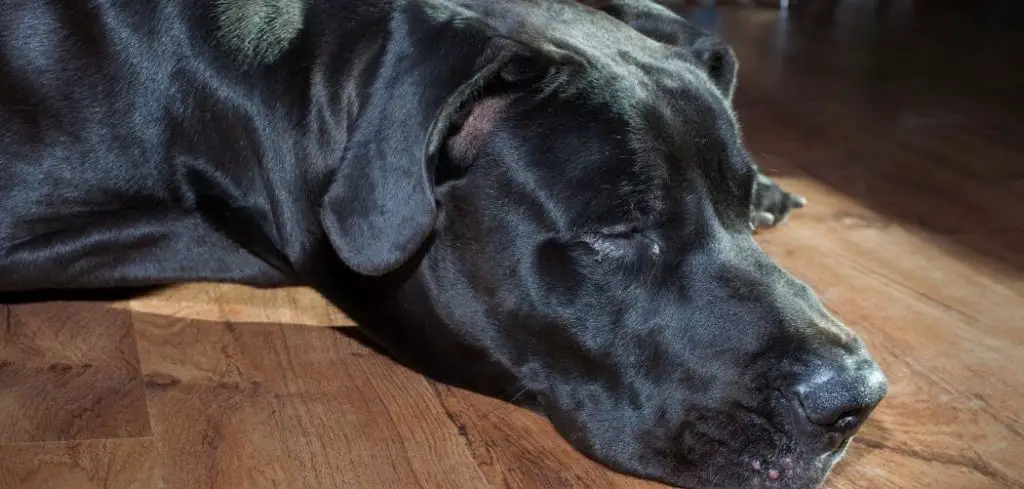
Dog Lethargic After Vaccine: Common Causes
Normal Immune Response
Vaccines work by showing the immune system a safe version of a virus or bacteria so the body can build protection.
This protective response requires energy, and the immune system temporarily shifts resources toward fighting what it perceives as a threat.
As a result, it’s common for dogs to feel tired, sleep more than usual, or seem uninterested in play or exercise for 12–24 hours.
This kind of lethargy is generally mild and short-lived. The dog may also show subtle signs like quiet behavior or decreased enthusiasm, which typically resolve on their own as the immune system completes its work.
Related: Dog diarrhea after vaccines (Why it happens)
Injection Site Soreness or Swelling
Some dogs experience soreness at the location where the vaccine was administered.
This discomfort may make them reluctant to move around, jump, or play, which looks like lethargy. Dogs might rest more simply because walking or running feels uncomfortable.
Mild swelling or a small lump can also occur as part of the inflammatory process. This is a normal reaction to the vaccine and usually disappears within a couple of days.
However, if the swelling grows rapidly or is accompanied by severe pain, this could point to a stronger reaction that requires veterinary attention.
Mild Fever After Vaccination
A low-grade fever is a known and expected response to many vaccines. When a dog’s temperature rises, even slightly, they may feel tired, shaky, or less active. Fever can slow them down and change their normal behavior pattern as the body works to regulate itself.
This type of post-vaccine fever is not harmful and typically resolves within a day. You may notice your dog seeking cool areas, drinking a bit more water, or sleeping harder than usual.
If the fever seems high or lasts longer than 24 hours, it’s important to reach out to your vet to rule out an abnormal vaccine reaction.
Stress and Exhaustion from the Vet Visit
Many dogs feel anxious during veterinary appointments, which can lead to physical and emotional exhaustion afterward.
From the car ride to unfamiliar smells and handling, the entire process can be overwhelming — especially for sensitive dogs.
After vaccines, this stress can combine with mild immune side effects, making the dog appear significantly more tired than usual.
It’s common for dogs to sleep deeply once they return home, not because of the vaccine alone, but because the overall experience has worn them out.
More Serious Vaccine Reaction
While rare, some dogs can experience stronger reactions to vaccines that lead to noticeable lethargy.
This may involve more intense immune activation, allergic responses, or difficulty managing mild inflammation.
In these cases, a dog may be unusually sleepy, slow to respond, or uninterested in food. You might also see vomiting, diarrhea, facial swelling, hives, or difficulty breathing — all signs of a more serious reaction.
These reactions can occur within minutes to hours of vaccination and should always be evaluated by a veterinarian, as they require timely care.
Related: Dog shivering after vaccines (Here’s why)
What to Do If Your Dog Is Lethargic After Vaccine
When your dog is lethargic after a vaccine, the first step is to allow them to rest. This tiredness is often temporary, and forcing activity may make them feel worse.
Offer a calm, quiet space where your dog can sleep comfortably, away from noise and excitement. Many dogs recover faster when they’re allowed uninterrupted rest during the first 12–24 hours.
Make sure fresh water is always available, especially because some dogs with mild fever may drink more. If your dog doesn’t want to eat right away, that’s usually okay; their appetite often returns as the lethargy fades.
Offering a small, bland meal later in the day can help encourage them to eat without overwhelming their stomach.
Check the injection site gently for swelling or tenderness. Mild warmth or a small lump is normal, but if the area looks significantly inflamed or painful, keep a close eye on it.
You can apply a cool compress wrapped in a soft cloth for a few minutes to reduce discomfort, but only if your dog tolerates it.
Provide reassurance and stay nearby. Many dogs become clingy or need comfort after vaccinations. Talking softly, petting gently, and keeping routines familiar can help them feel safe. Avoid strenuous activities, long walks, or intense play until your dog’s energy naturally returns.
When to Call or Visit Your Vet
You should contact your veterinarian if your dog’s lethargy lasts longer than 24–48 hours, as prolonged tiredness may indicate a stronger reaction than expected. Dogs who cannot get up easily, refuse to move, or seem excessively weak need prompt evaluation.
If your dog develops vomiting, diarrhea, or collapses, these symptoms require immediate veterinary attention. Combine lethargy with breathing difficulty, pale gums, facial swelling, or hives, and you may be seeing signs of an allergic reaction, which is a medical emergency.
Pay attention to the injection site as well. Rapidly growing swelling, significant heat, redness spreading across the skin, or obvious pain during gentle touch should all be reported to your vet. These signs may indicate an infection or adverse response that needs medication or other treatment.
Trust your instincts. If your dog simply “doesn’t seem right,” is unusually quiet, or you’re worried about how they’re responding, it’s always safer to call your veterinarian for guidance.
Related: Dog side effects after vaccines (Understanding why it happens)
Key Takeaway
Lethargy after a vaccine is usually a normal and short-lived response to the immune system doing its job.
Most dogs bounce back within a day, especially with rest, comfort, and patience at home. While the majority of reactions are mild, it’s important to monitor your dog closely and recognize warning signs that need veterinary care.
By staying aware and supportive, you can help your dog recover smoothly and confidently after every vaccination.