
A dog that is constantly itching while also eating grass may be dealing with allergies, skin irritation, digestive discomfort, or another underlying health issue.
Occasional grass eating can be normal behavior, but frequent grass eating combined with itching often suggests that something is irritating both the skin and digestive system.
Table of Contents
Dog Itching and Eating Grass: Why It Happens
A dog may itch and eat grass because allergies, digestive upset, skin irritation, or food sensitivities are causing discomfort in multiple parts of the body.
Dogs often eat grass instinctively when they feel nauseated or have mild stomach irritation, while itching usually develops from skin inflammation caused by allergies, parasites, infections, or dry skin.
Some dogs experience only mild symptoms, while others develop vomiting, diarrhea, ear infections, hair loss, or chronic skin irritation alongside the grass-eating behavior.
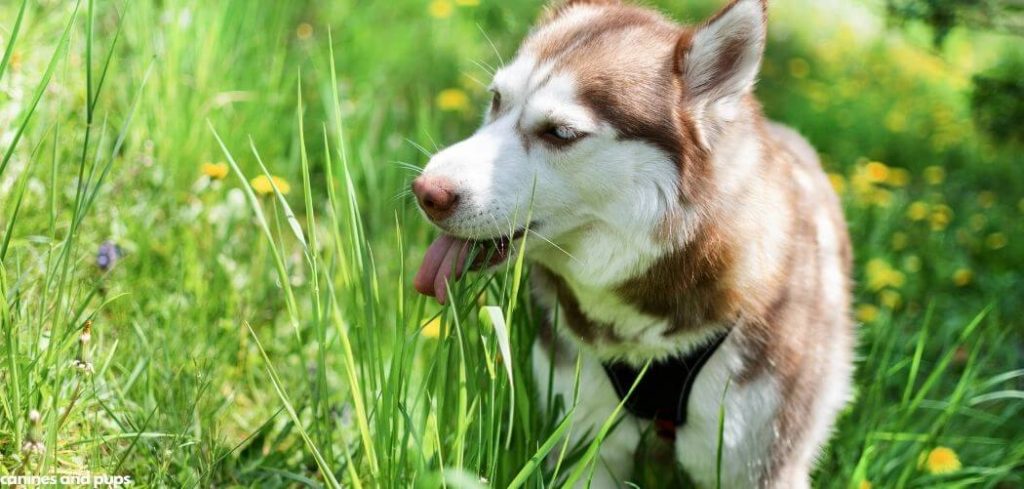
Dog Itching and Eating Grass: Common Causes
Food Allergies or Food Sensitivities
Food allergies are one of the most common reasons dogs develop both itching and grass eating.
Certain ingredients such as chicken, beef, dairy, or grains may irritate the digestive tract and trigger inflammation in the skin. Dogs with food sensitivities often itch around the ears, paws, belly, and face while also developing nausea or digestive discomfort that leads to grass eating.
Some dogs experience diarrhea, gas, vomiting, or loose stool alongside the itching. Symptoms usually continue year-round rather than only during allergy seasons.
Because food allergies affect both the skin and digestive system, many dogs show a combination of itchy skin and stomach-related behaviors.
Read more: Dog Excessively Itching but No Fleas (What’s behind it?)
Environmental Allergies
Environmental allergies caused by pollen, grass, mold, or dust mites can make dogs intensely itchy.
Dogs with allergies often scratch their ears, chew their paws, lick their skin, or rub their face against furniture. Constant inflammation can make the dog generally uncomfortable and stressed.
Some allergy-prone dogs also eat grass more frequently, especially if postnasal drainage or swallowed allergens contribute to mild stomach irritation or nausea.
Symptoms often worsen during certain seasons or after spending time outdoors.
Read more: Dog Losing Hair and Itching (Why it happens)
Gastrointestinal Upset
Mild digestive upset can lead to grass eating while also triggering skin flare-ups in sensitive dogs.
Dogs may eat grass instinctively when they feel nauseated or have excess stomach acid. At the same time, digestive irritation can worsen inflammation throughout the body, particularly in dogs with allergies or sensitive skin.
Spoiled food, sudden diet changes, greasy treats, or mild stomach irritation may all contribute to this combination of symptoms.
Some dogs later vomit after eating grass, while others simply continue grazing without vomiting.
Fleas or Flea Allergy Dermatitis
Fleas can cause severe itching even when only a few fleas are present.
Dogs with flea allergy dermatitis react strongly to flea saliva, leading to intense scratching around the lower back, tail base, belly, and thighs. Constant irritation may make dogs restless or uncomfortable overall.
Some dogs also eat grass more often when stressed or uncomfortable from chronic itching.
Hair loss, scabs, or red, inflamed skin may develop if the scratching continues.
Yeast or Skin Infections
Yeast overgrowth and bacterial skin infections commonly cause persistent itching in dogs.
Dogs with yeast infections often lick their paws, scratch their ears, or chew at irritated skin. The skin may appear greasy, red, thickened, or develop a strong odor.
Chronic discomfort and inflammation may contribute to stress-related grass eating or nausea-related grazing behavior.
Secondary infections often develop after allergic damage to the skin barrier.
Stress
Some dogs develop both itching and grass eating as stress-related behaviors.
Anxious dogs may lick, chew, or scratch excessively as a self-soothing behavior. Stress can also affect digestion and lead some dogs to eat grass more frequently.
Changes in routine, boredom, separation anxiety, or environmental stressors may contribute to both symptoms.
In some cases, stress worsens underlying allergies or digestive sensitivity, creating a cycle of discomfort and irritation.
Dog Itching and Eating Grass: What to Do
If your dog is itching and eating grass, carefully examine the skin and coat for redness, fleas, hair loss, rashes, odor, or irritated areas.
Keep your dog on consistent flea prevention even if fleas are not immediately visible. Flea allergy can trigger severe itching with only minimal flea exposure.
Avoid sudden diet changes and limit greasy treats or table scraps that may upset the digestive system. Some dogs benefit from highly digestible or limited-ingredient diets if food sensitivity is suspected.
Wiping your dog’s paws and coat after outdoor walks may help reduce exposure to pollen and environmental allergens.
Make sure fresh water is always available and monitor for vomiting, diarrhea, or appetite changes after grass eating episodes.
Prevent excessive scratching or chewing when possible because repeated irritation can damage the skin and increase the risk of infection.
When to Call or Visit Your Vet
You should contact your veterinarian if your dog’s itching becomes severe, persistent, or causes hair loss, open sores, or skin infections.
Repeated vomiting, diarrhea, weight loss, appetite changes, or lethargy alongside grass eating should also be evaluated promptly.
Recurring ear infections, constant paw chewing, or year-round itching often indicate allergies that require long-term management.
If your dog suddenly starts eating large amounts of grass or seems unable to stop scratching, veterinary testing may be needed to check for allergies, parasites, digestive disease, or skin infections.
Puppies, senior dogs, and dogs with chronic health conditions should be assessed sooner because they can worsen more quickly.
Persistent itching and grass eating rarely improve completely unless the underlying cause is identified and treated properly.
Read more: Dog Smells Like Fritos and Itchy (Signs of yeast overgrowth in dogs)
Key Takeaway
Dog itching and eating grass often happen together when allergies, digestive irritation, skin inflammation, or stress affect both the skin and gastrointestinal system.
Mild cases may result from temporary irritation, but persistent symptoms often point to allergies, food sensitivities, parasites, or infection.
Monitoring your dog closely and seeking veterinary care when symptoms worsen or continue can help prevent chronic discomfort and identify the underlying cause early.
Proper treatment often greatly improves both the itching and the grass-eating behavior.


