
Noticing orange diarrhea in your dog can be alarming, even when your dog seems happy, energetic, and otherwise normal.
While it may seem harmless if your dog is eating, drinking, and playing as usual, changes in stool color can indicate something affecting digestion or the liver.
In this guide, we explain why a dog may have orange diarrhea but act normal, what you can do, and when to seek veterinary care.
Dog Has Orange Diarrhea but Acting Normal
Orange diarrhea in a dog who appears otherwise normal often stems from changes in diet, mild digestive upset, or liver and bile-related issues. While your dog may continue to behave normally, the bright color signals that food is passing too quickly through the intestines, bile flow may be altered, or the digestive tract is reacting to irritation.
Causes range from simple dietary indiscretion to infections, parasites, or early signs of pancreatic or liver dysfunction.
Observing stool consistency, frequency, and any additional subtle signs is key to determining whether home care or veterinary attention is needed.
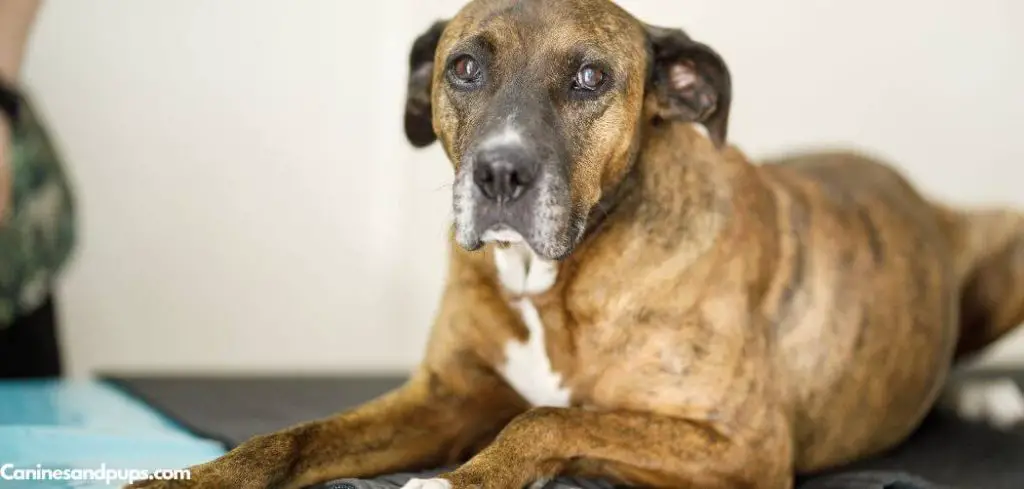
Dog Has Orange Diarrhea but Acting Normal: Common Causes
Dietary Changes
One of the most common reasons for orange diarrhea in dogs is a sudden change in diet.
When a dog consumes new food, treats, or table scraps, the digestive system may not fully adjust, causing stool to appear bright or discolored.
Even if your dog is active and playful, the gastrointestinal tract may move food too quickly, leading to orange-colored diarrhea.
While this is often temporary, monitoring your dog and gradually transitioning to new foods can help prevent recurrence.
Related: Dog has diarrhea for 3 days but acting normal (What it means)
Eating Foods with Artificial Coloring or Carrots
Certain human foods and dog treats contain coloring agents or natural pigments like beta-carotene from carrots.
These pigments can pass through the digestive system and temporarily tint the stool orange.
Dogs may eat these foods without any discomfort, which explains why they appear normal despite the unusual stool color.
While typically harmless, consistent exposure to food dyes may sometimes irritate sensitive stomachs, so moderation is key.
Mild Gastrointestinal Upset
Even minor digestive disturbances can cause orange diarrhea in dogs. Stress, mild viral exposure, overeating, or consuming inappropriate objects can irritate the intestines.
The rapid transit of stool may mix with bile before full digestion occurs, producing an orange hue.
These episodes often resolve on their own, especially if your dog maintains appetite and normal energy, but persistent diarrhea warrants closer observation.
Pancreatic or Liver Issues
The pancreas and liver play critical roles in digestion and bile production, which affects stool color.
Orange diarrhea may indicate a mild disruption in bile flow or early pancreatitis, even when your dog shows no other symptoms.
Dogs may act normal initially, but repeated orange stool or subtle signs like mild lethargy or reduced appetite can suggest the digestive enzymes or bile are not functioning optimally.
Veterinary tests can identify underlying liver or pancreatic problems before they worsen.
Intestinal Parasites
Parasites such as giardia or roundworms can sometimes cause changes in stool color.
Even if your dog appears energetic and healthy, parasites can alter digestion and absorption, leading to orange or loose stools.
Regular deworming and fecal checks are essential, particularly in older dogs or dogs exposed to contaminated environments.
Parasite-related diarrhea may be intermittent, so careful monitoring is important.
Food Sensitivities or Allergies
Dogs can develop sensitivities or allergies to certain proteins, grains, or additives.
These sensitivities may cause intestinal irritation and result in orange diarrhea without affecting overall behavior.
Symptoms often come and go depending on diet exposure. Identifying and eliminating trigger foods can improve stool color and consistency, supporting long-term digestive health.
Related: Dog pooping bloody mucus but acting normal (Why it happens)
Dog Has Orange Diarrhea but Acting Normal: What to Do
Start by monitoring your dog’s stool, noting color, consistency, and frequency. Ensure your dog has constant access to fresh water to prevent dehydration from loose stools.
Gradually adjust or eliminate recent dietary changes, including treats or human foods, to identify potential triggers.
You can offer a bland diet of boiled chicken and rice for a short period to help normalize digestion.
Observe your dog for any subtle signs of discomfort, reduced appetite, or changes in energy, and keep a log to share with your veterinarian if needed.
When to Call or Visit Your Vet
Seek veterinary advice if orange diarrhea persists for more than a day or two, becomes more frequent, or is accompanied by vomiting, lethargy, or reduced appetite.
Immediate attention is warranted if your dog shows signs of dehydration, severe abdominal discomfort, or blood in the stool.
Even in an otherwise normal-acting dog, persistent or recurring diarrhea may indicate digestive disorders, parasites, or early liver and pancreatic disease.
Early evaluation ensures accurate diagnosis and timely treatment, preventing complications and maintaining your dog’s well-being.
Read more: Dog Vomiting at Night but Acting Normal (Why It Happens)
Key Takeaway
Orange diarrhea in a dog who is otherwise normal often results from dietary changes, mild digestive upset, or minor bile and enzyme disruptions.
Monitoring stool, providing hydration, temporarily adjusting diet, and noting subtle changes are effective first steps at home.
However, persistent or recurrent orange diarrhea warrants veterinary evaluation to rule out parasites, liver or pancreatic issues, or food sensitivities.
Careful observation and timely intervention will help ensure your dog stays healthy, comfortable, and happy.