
When a dog stops drinking water for two full days, it is a serious concern that should never be ignored.
Water is essential for circulation, digestion, temperature control, and organ function, and even short periods of dehydration can affect a dog’s health.
Table of Contents
Dog Has Not Drank Water in 2 Days: Why It Happens
A dog that has not drank water in two days is usually experiencing physical discomfort, nausea, mouth or throat pain, metabolic disease, emotional stress, or systemic illness that suppresses normal thirst.
Dehydration often develops quickly when fluid intake drops, especially if vomiting, diarrhea, or fever is present. In many cases, dogs avoid water because drinking worsens their discomfort.
Prolonged refusal to drink places strain on the kidneys, heart, and digestive system and can quickly become life-threatening.
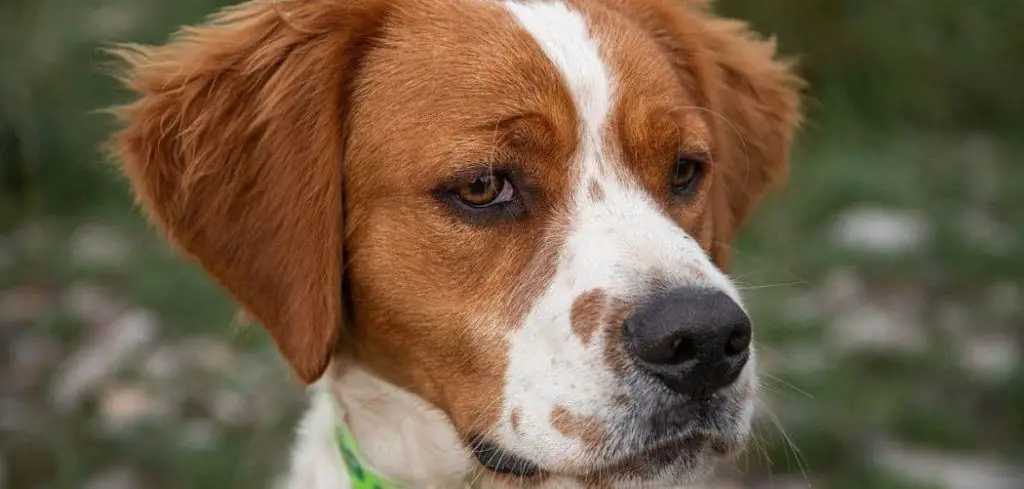
Dog Has Not Drank Water in 2 Days: Common Causes
Oral Pain
Pain inside the mouth is one of the most common reasons dogs stop drinking. Conditions such as fractured teeth, gum infections, abscesses, ulcers, oral tumors, and severe tartar buildup can make swallowing extremely uncomfortable.
When water touches inflamed tissue, it may trigger sharp pain. As a result, dogs learn to avoid drinking altogether.
They may sniff the water bowl and walk away, drool excessively, paw at their mouth, or chew on only one side.
Over time, untreated dental disease allows bacteria to spread into the bloodstream, affecting the heart, kidneys, and liver.
Related: Dog only drinking water and not eating (Here’s why)
Nausea
Nausea strongly suppresses thirst in dogs. When the stomach is irritated, drinking water can worsen queasiness and trigger vomiting.
Digestive problems such as gastritis, intestinal inflammation, pancreatitis, food intolerance, parasites, or intestinal obstruction can all cause nausea severe enough to stop water intake. Dogs may lick their lips repeatedly, swallow often, vomit foam, refuse food, or appear restless.
Without fluid replacement, dehydration worsens digestive irritation and delays recovery.
Kidney Disease and Urinary System Disorders
Kidney disease interferes with fluid regulation and toxin removal. In early stages, dogs often drink more, but in advanced stages, nausea, weakness, and toxin buildup suppress thirst.
Urinary tract infections, bladder inflammation, kidney infections, or urinary blockages can also make drinking uncomfortable. Dogs may associate water with painful urination.
Signs may include frequent urination, accidents indoors, straining, blood in urine, lethargy, and appetite loss.
Advanced kidney failure can become fatal without prompt treatment.
Infection
When dogs develop infections, their immune system releases inflammatory chemicals that affect appetite and thirst centers in the brain.
Conditions such as pneumonia, tick-borne disease, uterine infections, wound infections, or internal abscesses often cause fever and malaise. These dogs feel weak and disinterested in drinking.
They may appear warm to the touch, pant excessively, shiver, hide, or sleep more than usual.
Ongoing infections can lead to organ failure if untreated.
Emotional Stress
Psychological stress has powerful effects on hydration. Dogs experiencing anxiety may suppress thirst even when dehydrated.
Stressful triggers include boarding, travel, household changes, new pets, loud noises, separation anxiety, or traumatic experiences. Nervous dogs remain hyper-alert and forget to drink.
They may pace, whine, refuse food, cling to owners, or isolate themselves.
Chronic stress weakens immunity and worsens existing medical conditions.
Medication Side Effects and Toxin Exposure
Many medications affect thirst and hydration. Pain medications, antibiotics, steroids, chemotherapy drugs, and heart medications may cause nausea, dry mouth, or lethargy.
Accidental toxin exposure from plants, chemicals, spoiled food, or human medications can also suppress drinking. Toxins irritate the stomach and disrupt kidney function.
Affected dogs may drool, tremble, vomit, act confused, or collapse.
Toxin-related dehydration is a medical emergency.
Related: Dog hasn’t drank water all day (Should you worry?)
What to Do If Your Dog Has Not Drank Water in 2 Days
Begin by offering fresh, clean water in multiple locations throughout your home. Some dogs avoid bowls that smell stale or are placed in stressful areas.
Try switching to a wide, shallow bowl or a ceramic or stainless steel dish if plastic causes irritation.
Offer ice cubes, low-sodium broth diluted with water, or water mixed with a small amount of wet food to encourage intake.
Monitor urination closely. Reduced urine output indicates worsening dehydration.
Avoid giving human medications or forcing water down your dog’s throat, as this may cause aspiration.
If your dog continues refusing fluids for more than 48 hours, veterinary care is essential.
When to Seek Veterinary Care
Seek immediate veterinary attention if your dog has not drank water for two days and shows weakness, vomiting, diarrhea, collapse, confusion, or pale gums.
Emergency care is required if there is no urination, signs of poisoning, abdominal pain, or difficulty breathing.
Puppies, senior dogs, and dogs with kidney disease, diabetes, or heart conditions should be evaluated within 24 hours of reduced drinking.
Read more: Dog Has Not Eaten in 3 Days (When to worry)
Dog Has Not Drank Water in 2 Days: Treatment
Veterinary treatment for a dog that has not consumed water for two days is urgent, as dehydration can quickly become life-threatening.
A veterinarian will begin with a physical exam and may run blood tests and urinalysis to assess hydration status, kidney function, electrolyte balance, and signs of infection or systemic disease. IV or subcutaneous fluids are commonly administered to rehydrate the dog and stabilize vital organs.
Depending on the cause, treatment may also include anti-nausea medication, pain relief, appetite or thirst stimulants, and treatment for underlying issues such as dental pain, gastrointestinal illness, kidney disease, or poisoning.
Immediate veterinary care is essential, especially for puppies, senior dogs, or dogs showing lethargy, vomiting, or weakness.
Key Takeaway
When a dog has not drank water in two days, it is usually a sign of underlying illness, pain, nausea, or emotional distress. Dehydration develops quickly and can damage vital organs if left untreated.
While gentle encouragement may help in mild cases, prolonged refusal to drink always requires veterinary evaluation.
Acting early protects your dog’s health and prevents life-threatening complications.