
Your dog developing a knot after vaccines can be alarming, especially when it seems to appear suddenly or feels firm under the skin.
While many post-vaccination lumps are harmless, some can signal inflammation or an immune reaction that needs attention.
In this guide, we explain why this possible vaccine reaction may happen, what to do and when to contact your veterinarian.
Dog Has Knot After Vaccines
A dog has a knot after vaccines most often because the immune system reacts to the injection site, causing localized inflammation, fluid buildup, or immune cell accumulation under the skin.
This can happen when the vaccine stimulates the body to produce protective antibodies, which temporarily swells the surrounding tissue.
In some dogs, the reaction is mild and fades within days, while in others it can form a firmer lump that lasts weeks.
Rarely, the knot may be related to infection, abscess formation, or an exaggerated immune response that requires veterinary care.
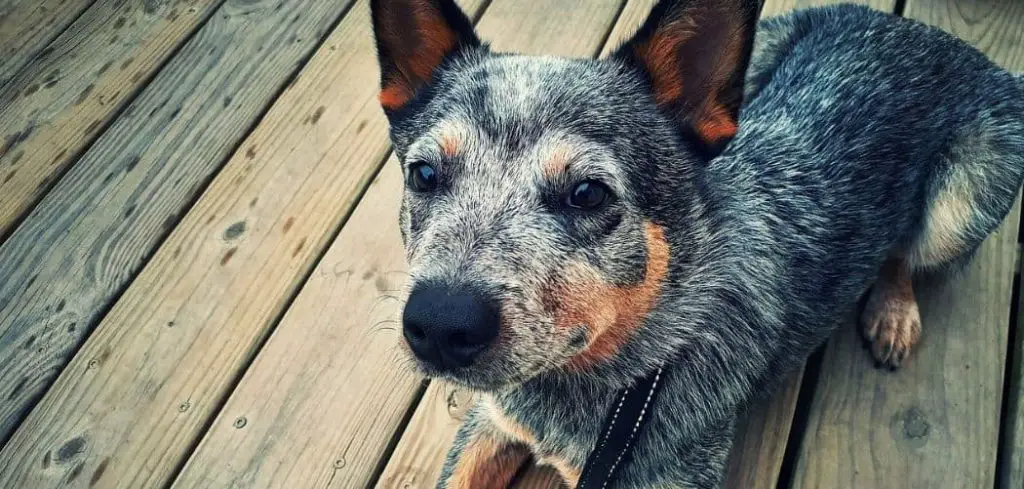
Dog Has Knot After Vaccines: Common Causes
Post Injection Inflammation
The most common reason a dog has a knot after vaccines is simple inflammatory swelling where the needle delivered the vaccine.
The body treats the vaccine as a foreign substance, so white blood cells rush to the area to begin building immunity.
This immune activity causes blood vessels to dilate and fluid to leak into the tissue, which forms a soft to firm lump beneath the skin.
Dog owners often notice the knot within 24 to 72 hours after vaccination, and it may feel warm or slightly tender.
Although it can look concerning, this type of swelling usually shrinks on its own over one to three weeks as the immune system finishes its job.
Read more: Dog Lump On Back After Vaccine (What it means)
Vaccine Adjuvant Reaction
Some vaccines contain adjuvants, which are ingredients designed to stimulate a stronger immune response. In sensitive dogs, these adjuvants can trigger excessive local immune activation.
Instead of a small, brief swelling, the body creates a larger, more persistent knot.
These knots often feel firm and may not move much under the skin. They can last longer than normal vaccine swelling and may take several weeks to resolve.
While most eventually disappear, a knot that keeps growing or stays longer than a month should be checked by a veterinarian.
Injection Site Seroma
A seroma is a pocket of fluid that forms when tissue layers separate after being punctured by a needle. After vaccination, small blood and lymph vessels can leak clear fluid into the space created by the injection, leading to a noticeable lump.
This type of knot is usually soft, squishy, and not painful. It may change size depending on your dog’s movement and often resolves as the body reabsorbs the fluid.
However, large seromas can become uncomfortable or infected if irritated, especially if the dog keeps licking or scratching the area.
Localized Infection or Abscess
In rare cases, bacteria can enter the skin during or after vaccination, leading to infection at the injection site.
This causes a knot that feels firm, warm, and painful. The skin over the lump may appear red, and your dog may be sensitive when touched.
As the infection progresses, pus can accumulate, turning the knot into an abscess. This type of swelling does not resolve on its own and requires veterinary treatment to prevent the infection from spreading.
Allergic or Immune-Mediated Reaction
Some dogs have heightened immune sensitivity to vaccine components, which can trigger an exaggerated local response. This leads to intense swelling at the injection site that forms a knot quickly after vaccination.
In these cases, the knot may be accompanied by facial swelling, hives, itching, or lethargy. Because this reaction can sometimes progress to a more serious allergic response, veterinary guidance is important when these symptoms appear together.
Injection-Site Tumor (Very Rare)
Although extremely uncommon, certain types of tumors have been linked to injection sites in dogs. These develop when chronic inflammation triggers abnormal cell growth over time.
These lumps usually appear months to years after vaccination, not immediately.
If a knot continues to grow, becomes hard and irregular, or does not shrink over several weeks, your veterinarian may recommend further testing to rule out this rare but serious possibility.
Read more: Dog face swelling after vaccine (What it means)
What to Do If Your Dog Has A Knot After A Vaccine
If your dog has a knot after a vaccine, gently monitor the area daily to see if it changes in size, texture, or sensitivity. A small, painless lump that slowly shrinks is usually part of a normal immune response and does not require treatment.
Try to prevent your dog from licking, scratching, or rubbing the area, as irritation can prolong healing or introduce bacteria. Keeping the area clean and dry helps reduce the risk of infection.
You can apply a cool compress for a few minutes once or twice a day during the first 48 hours if the swelling appears uncomfortable, but avoid applying pressure or massaging the knot.
Make a note of when the lump appeared and how it feels, so you can accurately report changes to your veterinarian if needed.
When to Call or Visit Your Vet
Call your veterinarian if the knot continues to grow instead of shrinking after a week.
Seek veterinary care if the lump becomes painful, hot, or starts oozing fluid, as these signs suggest infection.
Contact your vet immediately if the knot appears along with vomiting, facial swelling, difficulty breathing, or collapse, as this may indicate an allergic reaction.
If the lump lasts longer than four weeks or feels hard and immobile, it should be examined to rule out more serious causes.
Read more: Dog side effects after vaccines (Possible reactions explained)
Key Takeaway
A dog having a knot after vaccines is usually the result of the immune system doing its job, but the size, firmness, and duration of the lump matter.
Most post-vaccination knots resolve naturally, but any swelling that grows, becomes painful, or lasts too long deserves veterinary attention.
Paying close attention to your dog’s body after vaccinations helps ensure they stay protected and healthy.