
It’s confusing and worrying when a dog develops kennel cough even after receiving the Bordetella vaccine.
Many owners assume the vaccine should fully prevent infection, so coughing, gagging, or hacking afterward feels alarming and frustrating.
In this guide, we explain why this possible vaccine reaction happens and what to do.
Dog Has Kennel Cough With Bordetella Vaccine
A dog can still develop kennel cough after the Bordetella vaccine because the vaccine reduces severity rather than providing complete immunity, and it does not protect against every respiratory germ that causes kennel cough.
The Bordetella vaccine mainly targets one bacterium, but kennel cough is caused by multiple viruses and bacteria acting together.
If a dog is exposed to other pathogens, or exposed before immunity fully develops, coughing and airway inflammation can still occur.
In many cases, the illness is milder, but the cough can still sound severe because the airways are extremely sensitive after vaccination.
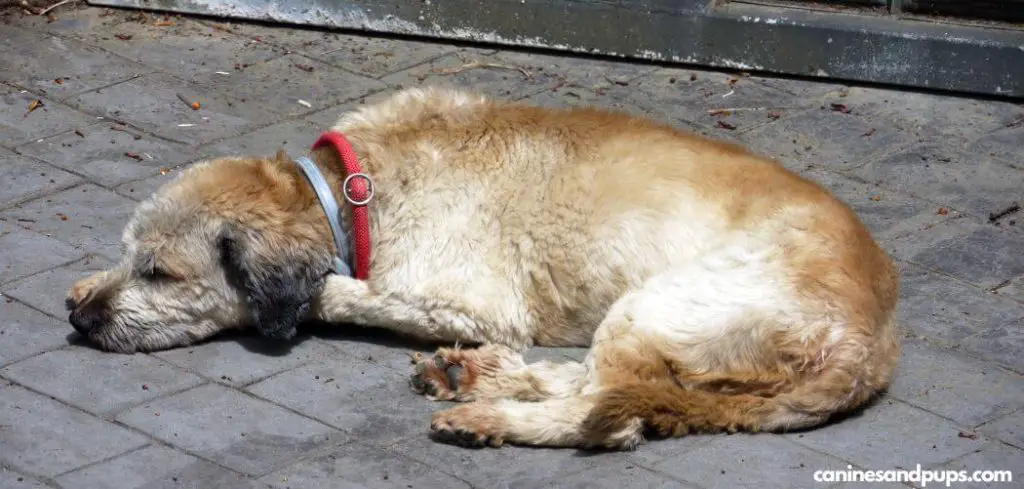
Dog Has Kennel Cough With Bordetella Vaccine: Common Causes
Incomplete Immune Protection
The Bordetella vaccine does not guarantee full immunity. It is designed to reduce how severe the infection becomes, not to block every case.
Some dogs simply do not mount a strong enough immune response, especially puppies, seniors, or dogs with weakened immune systems.
When exposed to Bordetella or related bacteria, these dogs can still develop kennel cough even though they were vaccinated.
Related: Dog Coughing After Bordetella Vaccine (Here’s why)
Exposure Before Immunity Fully Developed
It takes 3 to 7 days for the intranasal Bordetella vaccine and up to 14 days for the injectable version to build protective immunity.
If a dog is exposed to kennel cough germs during this window, the vaccine has not had time to work yet.
The dog may become infected, and the timing makes it look like the vaccine caused the illness when it was actually already incubating.
Non-Bordetella Viruses
Kennel cough is a group of diseases, not a single infection. Viruses such as canine parainfluenza, adenovirus, and canine influenza can all cause kennel cough symptoms.
The Bordetella vaccine does not protect against these viruses, so a vaccinated dog can still develop a dry, hacking cough if exposed to them in kennels, groomers, or dog parks.
Stress Triggered Susceptibility
Vaccination itself mildly stresses the immune system as it learns to respond to the vaccine.
During this brief window, a dog becomes slightly more vulnerable to infections already present in the environment.
Stress from travel, boarding, grooming, or veterinary visits can further weaken immune defenses, making it easier for kennel cough germs to take hold.
Underlying Airway Disease
Dogs with conditions such as collapsing trachea, chronic bronchitis, or previous respiratory damage are more likely to cough after vaccination and more likely to develop kennel cough despite being protected.
Their airways are already inflamed and fragile, so even mild exposure to bacteria or viruses causes intense coughing.
High-Exposure Environments
Some environments have heavy levels of kennel cough pathogens. Boarding facilities, shelters, dog shows, and grooming salons can expose dogs to large amounts of airborne germs.
Even vaccinated dogs can be overwhelmed when the exposure dose is high, leading to infection despite vaccination.
Related: Dog Vomiting After Bordetella Vaccine (Here’s why)
What to Do If Your Dog Has Kennel Cough With Bordetella Vaccine
Allow your dog to rest in a quiet, warm environment where the air is clean and humid. This helps soothe irritated airways and reduces coughing fits.
Use a harness instead of a collar to avoid pressure on the throat, which can worsen coughing and inflammation.
Encourage hydration with fresh water or diluted broth to keep mucus thin and easier to clear from the lungs.
Keep your dog isolated from other dogs until the cough is gone, since kennel cough is highly contagious even in vaccinated animals.
Watch closely for changes in appetite, energy, or breathing, as worsening symptoms may indicate a secondary infection.
When to Call or Visit Your Vet
If the cough lasts longer than a week or becomes deeper, wetter, or more frequent, your dog should be examined for bacterial pneumonia or complications.
Seek veterinary care immediately if your dog is struggling to breathe, has blue or pale gums, collapses, or becomes extremely lethargic.
Call your vet if fever, thick nasal discharge, vomiting, or refusal to eat develops along with coughing, as this suggests a more serious infection.
Young puppies, senior dogs, and dogs with heart or lung disease should be seen sooner because kennel cough can become dangerous in these groups.
Read more: Dog side effects after vaccines (Possible reactions explained)
Key Takeaway
A dog can still get kennel cough even after receiving the Bordetella vaccine because the vaccine reduces severity rather than eliminating all risk.
Multiple germs cause kennel cough, and timing, stress, or exposure can allow infection to occur.
Most vaccinated dogs recover quickly, but close monitoring and prompt veterinary care ensure complications are avoided and your dog stays safe.