
Seeing your dog with diarrhea usually makes you worry, but it can be especially confusing when your dog is still eating, playing, and acting completely normal.
While this combination often points to a mild or temporary issue, it can also be an early sign of digestive imbalance that deserves monitoring.
We explain the most common reasons why a dog may have diarrhea but is acting normal and still eating, what you can do at home, and when it’s best to involve your veterinarian.
Dog Has Diarrhea but Acting Normal and Eating: Why It Happens
When a dog has diarrhea but is acting normal and eating, it usually means the digestive tract is irritated while the rest of the body remains stable. Common causes include sudden diet changes, mild food intolerance, stress-related gut upset, minor infections, or temporary inflammation of the intestines.
Because energy levels and appetite stay intact, the issue may appear harmless at first. However, ongoing diarrhea can lead to dehydration, nutrient loss, and worsening gut health if not addressed.
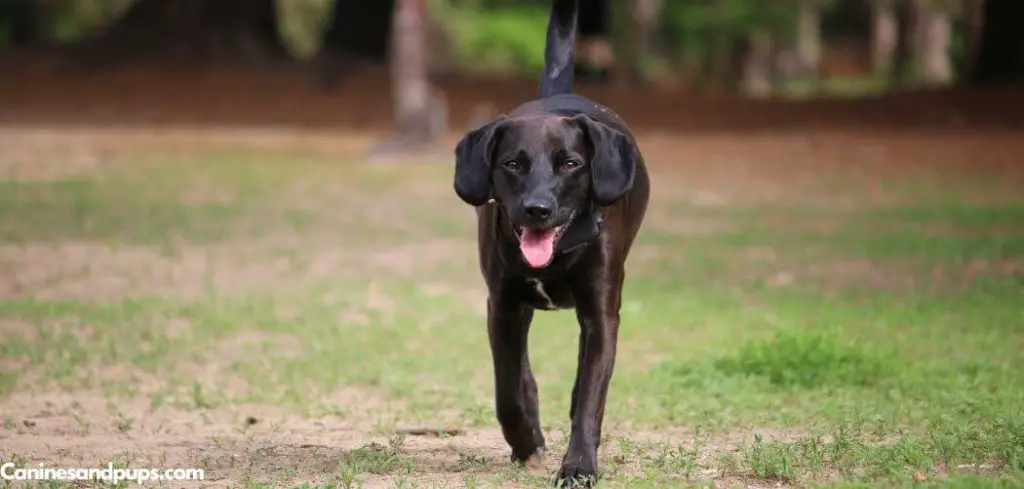
Dog Has Diarrhea but Acting Normal and Eating: Common Causes
Sudden Diet Changes and Dietary Indiscretion
One of the most frequent reasons a dog has diarrhea but is acting normal and eating is a change in diet.
Switching dog food too quickly, introducing new treats, or sneaking human food can disrupt the balance of bacteria in the gut. The intestines respond by pushing food through faster, leading to loose stools.
Your dog may still seem eager to eat and play because the issue is localized to digestion rather than systemic illness.
Although this cause is often mild, repeated diet changes can cause ongoing gut sensitivity and recurring diarrhea.
Related: Dog suddenly vomiting and diarrhea (Common causes)
Mild Food Sensitivities
Some dogs develop mild sensitivities to specific ingredients. Proteins, dairy products, grains, or artificial additives can irritate the intestinal lining without causing immediate lethargy or appetite loss. This results in diarrhea while the dog otherwise behaves normally.
Stools may be consistently soft, watery, or occasionally contain mucus, especially after meals.
Left unaddressed, ongoing exposure to the trigger ingredient can lead to chronic digestive inflammation.
Stress-Related Digestive Upset
Stress has a direct effect on a dog’s digestive system. Events such as travel, boarding, changes in routine, new pets, or loud environments can disrupt gut motility and microbiome balance. This often causes diarrhea without affecting appetite or energy.
Your dog may appear mentally alert and hungry but pass loose stools during or shortly after stressful events.
If stress becomes chronic, digestive symptoms can persist or worsen over time.
Mild Intestinal Infection
Low-grade infections can cause diarrhea while leaving behavior unchanged.
Certain bacteria or parasites irritate the intestines without causing systemic illness in the early stages. Dogs may continue eating normally while experiencing loose stools.
You may notice foul-smelling diarrhea, occasional mucus, or changes in stool frequency.
Without treatment, these infections can spread, worsen, or begin to affect appetite and energy levels.
Overfeeding or Rich Foods
Portion size plays a bigger role than many owners realize. Feeding large meals or rich, fatty foods can overwhelm the digestive system, causing diarrhea even though the dog feels fine otherwise. Puppies and smaller dogs are especially sensitive.
The dog may beg for food and remain playful while passing loose stools shortly after meals.
Repeated overfeeding can strain the pancreas and lead to more serious digestive issues.
Mild Colitis
Colitis refers to inflammation of the large intestine. In mild cases, dogs may have diarrhea while remaining active and hungry.
This inflammation often results from stress, diet changes, or bacterial imbalance.
Stools may be loose, frequent, or accompanied by straining, but the dog otherwise seems normal.
If inflammation continues, symptoms can escalate to discomfort, blood in stool, or appetite changes.
Related: Old dog constant diarrhea (Why it happens)
What to Do If Your Dog Has Diarrhea but Acting Normal and Eating
If your dog has diarrhea but seems otherwise fine, start by simplifying their diet and avoiding treats or table scraps for a few days.
Offer smaller, more frequent meals to reduce stress on the digestive system while maintaining calorie intake.
Make sure fresh water is always available, as diarrhea increases fluid loss even when energy levels stay normal.
Monitor stool consistency, frequency, and any changes in behavior closely over the next 24 to 48 hours.
If symptoms improve, slowly reintroduce normal feeding routines while keeping an eye out for recurrence.
When to Call or Visit Your Vet
Contact your veterinarian if diarrhea lasts longer than two days, even if your dog is still acting normal and eating.
Seek veterinary advice sooner if stools become watery, explosive, or contain mucus or blood.
Immediate attention is needed if diarrhea is accompanied by vomiting, dehydration, abdominal pain, or sudden behavior changes.
Puppies, senior dogs, and dogs with existing health conditions should be evaluated earlier, as they are more vulnerable to complications.
Read more: Dog Vomiting and Diarrhea (Why it happens)
Key Takeaway
When a dog has diarrhea but is acting normal and eating, it often points to a mild digestive upset rather than a serious illness.
Diet changes, stress, and minor gut irritation are common culprits, and many cases resolve with simple at-home care.
That said, diarrhea should never be ignored if it persists or worsens. By monitoring closely and involving your veterinarian when needed, you can protect your dog’s digestive health and prevent small issues from turning into bigger problems.