
When a dog develops diarrhea and vomiting after eating a bone, it can be difficult to know whether the digestive upset will pass or whether the bone has caused a more serious problem.
Although some dogs may experience temporary stomach irritation, vomiting and diarrhea after eating a bone should be taken seriously because gastrointestinal problems can sometimes worsen quickly.
The type of bone, when it was eaten, the frequency of vomiting or diarrhea, and your dog’s overall behavior can provide important information about the situation.
Table of Contents
Dog Has Diarrhea and Vomiting After Eating Bone: Here's Why
A dog may develop vomiting and diarrhea after eating a bone because the bone can irritate the digestive tract, cause dietary upset, or, more seriously, become lodged or contribute to an intestinal obstruction.
Vomiting and diarrhea do not necessarily mean that an obstruction has occurred, but the combination after swallowing a bone deserves careful monitoring.
If a dog has swallowed a large piece, appears painful, repeatedly vomits, or becomes weak, veterinary assessment is important.
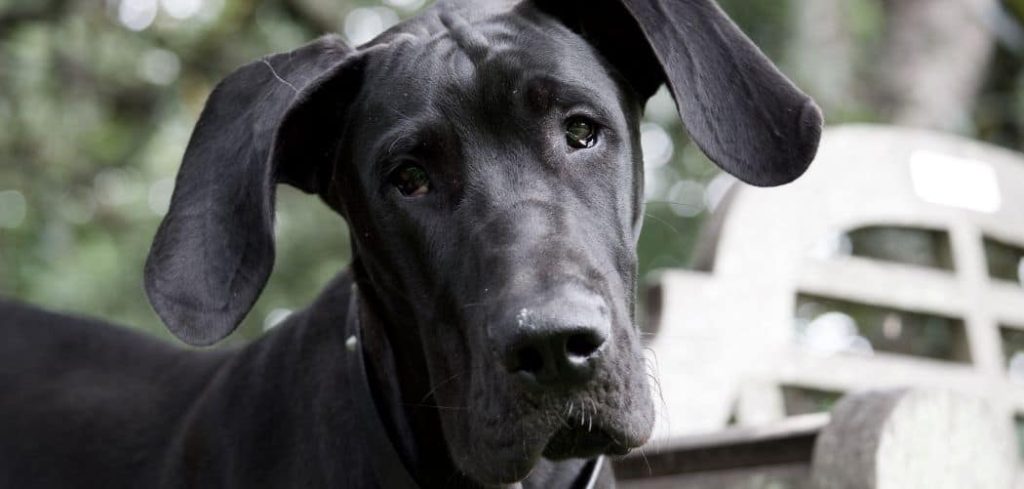
Dog Has Diarrhea and Vomiting After Eating Bone: Common Causes
Digestive Upset
Eating a bone can represent a significant dietary change, particularly if your dog does not normally consume bones.
The stomach and intestines may become irritated, resulting in vomiting, loose stools, or diarrhea.
Mild digestive upset may resolve, but ongoing or worsening vomiting and diarrhea should be evaluated.
Read more: Dog Diarrhea and Vomiting After Eating Chicken (Why it happens)
Bone Fragments Irritating the Digestive Tract
As a bone passes through the digestive system, fragments can irritate the stomach or intestinal lining.
This may result in vomiting, diarrhea, abdominal discomfort, or changes in bowel movements.
Severity depends on the amount consumed and the bone’s characteristics.
Intestinal Obstruction
A bone or bone fragment can sometimes become lodged in the gastrointestinal tract and cause an obstruction.
An obstruction may cause vomiting, abdominal pain, loss of appetite, lethargy, and changes in bowel movements. A dog may still pass some stool or diarrhea even when an obstruction is developing, so having a bowel movement does not completely rule it out.
An intestinal obstruction can become serious and requires veterinary assessment.
Read more: Dog Diarrhea and Vomiting After Eating (Causes and what to do)
Constipation From Bone Material
Bone material may be difficult to pass and can contribute to hard or infrequent stools.
A dog may strain repeatedly, produce very small amounts of stool, or appear uncomfortable when trying to defecate.
If your dog is unable to pass stool or is repeatedly vomiting, contact a veterinarian promptly.
Gastrointestinal Injury
Sharp or irregular bone fragments can potentially injure the digestive tract.
Blood in vomit or stool, significant abdominal pain, weakness, or worsening vomiting can indicate a more serious problem.
These signs require prompt veterinary attention.
Pancreatitis
Eating a rich or fatty food can contribute to pancreatitis in susceptible dogs. Depending on the bone and surrounding tissue consumed, a large fatty meal may be a concern.
Pancreatitis can cause vomiting, diarrhea, abdominal pain, reduced appetite, lethargy, and dehydration.
If your dog appears painful or repeatedly vomits after eating a bone, a veterinarian should assess them.
Bacterial Contamination
Raw animal products can carry bacteria that may cause gastrointestinal illness. A dog can develop vomiting and diarrhea after consuming contaminated food or animal material.
Some infections may also cause lethargy, fever, abdominal discomfort, or blood in the stool.
Your veterinarian can determine whether testing or treatment is necessary.
The Bone May Not Be the Only Cause
A dog can develop vomiting and diarrhea for many reasons unrelated to the bone. Dietary indiscretion, infections, parasites, toxins, and other gastrointestinal conditions can cause similar symptoms.
However, when symptoms begin soon after a dog swallows a bone, the bone should be considered relevant information when speaking with your veterinarian.
Read more: Dog Diarrhea and Vomiting After Eating Chocolate (Why it happens)
When to Call or Visit the Vet
Vomiting and diarrhea after eating a bone deserve careful monitoring because of the risk of obstruction or gastrointestinal injury.
Contact your veterinarian immediately if you notice:
Repeated vomiting or inability to keep water down
Significant or persistent diarrhea
Blood in vomit or stool
Abdominal pain, swelling, or marked restlessness
Repeated straining or inability to pass stool
Refusal to eat
Weakness or unusual lethargy
Repeated gagging, choking, or difficulty swallowing
Collapse, severe weakness, or rapidly worsening symptoms
Dog Has Diarrhea and Vomiting After Eating Bone: Treatment
Veterinary treatment starts with a physical examination and assessment of the dog’s hydration, abdomen, and overall condition.
The veterinarian may recommend abdominal X-rays or other imaging to determine whether bone material is present and whether an obstruction or another gastrointestinal problem is suspected.
Blood tests may also be appropriate, particularly when vomiting is persistent or pancreatitis or another systemic illness is being considered.
Treatment depends on the findings and may include fluids, prescription medication, dietary support, or other intervention. If an obstruction or gastrointestinal injury is suspected, additional procedures or surgery may be necessary.
Key Takeaway
A dog having diarrhea and vomiting after eating a bone may simply have digestive irritation, but bone fragments can also cause constipation, gastrointestinal injury, or an intestinal obstruction.
The risk depends on the type and amount of bone consumed and the individual dog. Vomiting that continues, abdominal pain, blood in vomit or stool, difficulty passing stool, or significant weakness are particularly concerning.
If your dog has persistent vomiting or diarrhea after eating a bone, contact your veterinarian. Seek urgent veterinary care if your dog repeatedly vomits, appears painful, cannot pass stool, develops blood in vomit or stool, becomes severely weak, or shows signs of collapse.


