
When a dog hacks up white foamy stuff, it can look dramatic and alarming — especially if it happens suddenly. The foam often resembles bubbly saliva or frothy mucus.
We outline the common reasons why a dog may hack up white foamy stuff, what you can do at home, and when to seek veterinary care.
Table of Contents
Dog Hacking Up White Foamy Stuff: Why It Happens
A dog hacking up white foamy stuff is typically reacting to stomach irritation, bile reflux, respiratory inflammation, kennel cough, tracheal collapse, nausea, or something stuck in the throat.
The foam forms when saliva or mucus mixes with air during forceful hacking.
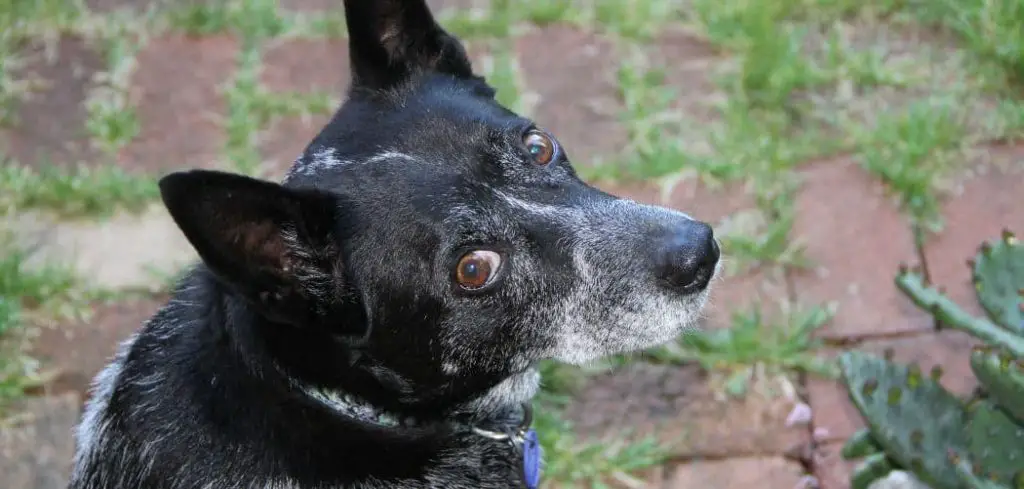
Dog Hacking Up White Foamy Stuff: Common Causes
Stomach Bile or Acid Reflux
One of the most common reasons dogs hack up white foamy stuff is irritation from stomach acid or bile. When a dog’s stomach is empty or producing excess acid, gastric juices can travel upward into the esophagus.
The irritation triggers gagging or hacking that mixes saliva with air, creating a foamy, white spit-up.
Dogs with reflux often hack early in the morning or late at night, when the stomach has been empty for hours.
They may lick their lips, swallow repeatedly, or seem uncomfortable after lying down. The foam appears because the dog is expelling a mixture of swallowed air, mucus, and irritated saliva.
If reflux occurs often, the throat becomes more sensitive, leading to more frequent hacking episodes.
Read more: Dog Hacking But Nothing Comes Up (Dry hacking explained)
Kennel Cough
Kennel cough can cause dogs to hack forcefully enough that white foam appears during coughing fits. The foam is typically saliva churned by the repetitive gagging motion.
Respiratory infections irritate the trachea and upper airway, creating intense coughing that sometimes produces a frothy substance even when no mucus is present.
Dogs with kennel cough may cough in loud, honking bursts followed by gagging or retching. In early infection, foam may be the only material expelled.
As inflammation worsens, the foam may mix with mucus. Kennel cough is highly contagious, and symptoms often worsen at night or after excitement.
Nausea or Empty-Stomach Vomiting
Dogs that feel nauseous sometimes vomit a small amount of white foam. This foam is produced when stomach acid mixes with saliva and air during gagging.
Hacking up foam from nausea can occur after eating something that disagrees with them, sudden dietary changes, or gastrointestinal discomfort.
The foam appears bubbly and lightweight — not thick like respiratory mucus. Dogs may eat grass, drool, have a decreased appetite, or appear restless before hacking. If nausea is recurring, it may indicate larger digestive issues needing attention.
Tracheal Collapse
Small breeds prone to tracheal collapse may hack up white foamy stuff during severe coughing episodes. When the trachea narrows, the airway becomes irritated, leading to hacking that produces frothy saliva or bubbly foam.
The foam is not from the lungs — it’s from the throat as the dog forcefully tries to clear the airway. Episodes often happen when the dog is excited, pulling on a collar, eating, drinking, or encountering warm humid air.
Tracheal collapse becomes more severe with age and is one of the most common reasons small dogs produce foam during coughing fits.
Throat Irritation or Something Stuck
If a dog swallows dust, grass, hair, or a small object, the throat may become irritated. Even if the object isn’t fully stuck, the inflammatory reaction can cause hacking that results in white foam.
The foam is produced because the throat glands create more saliva to soothe the irritation.
Dogs may swallow repeatedly, gag, or act uncomfortable. The hacking often appears suddenly and may improve temporarily before returning.
Any persistent hacking after ingesting something unusual should be evaluated quickly because irritation can worsen into an infection.
Ingesting Foam-Producing Substances
Some dogs hack up white foamy stuff after licking soap, detergent residue, certain plants, or other household chemicals.
These materials stimulate excessive saliva production, which turns frothy during coughing or gagging. Dogs may drool excessively or paw at their mouth.
This type of foam usually appears suddenly and may be accompanied by lip smacking, vomiting, or agitation. Any exposure to chemicals should be treated urgently due to the risk of poisoning.
Lung or Airway Inflammation
Inflammation deeper in the airways can lead to thick, bubbly foam during coughing episodes.
This foam may appear when airways fill with inflammatory fluid that becomes frothy during hacking. Dogs may also show fatigue, wheezing, or rapid breathing.
Though less common, foamy airway discharge can indicate bronchitis or lung irritation that requires prompt evaluation.
Read more: Dog coughing and hacking suddenly (Here’s why)
Dog Vomiting White Foam But Acting Normal
A dog vomiting white foam but still acting normal may be experiencing mild stomach irritation, acid reflux, hunger-related nausea, or temporary digestive upset.
White foam is often a mix of saliva and stomach acid, especially when the stomach is empty. Dogs may still eat, drink, and behave normally between episodes if the issue is mild.
However, repeated vomiting—even if the dog seems fine—should be monitored. If it becomes frequent, starts happening daily, or is accompanied by loss of appetite, lethargy, or diarrhea, veterinary evaluation is needed to rule out gastrointestinal disease or infection.
Dog Hacking Up White Foamy Stuff At Night
Hacking up white foamy material at night often suggests irritation in the throat or airways, or acid reflux that worsens when the dog lies down.
Lying flat can allow stomach acid or mucus to move upward, triggering coughing or gagging episodes. This is commonly seen with kennel cough, bronchitis, or mild respiratory inflammation.
If nighttime episodes are persistent or disrupt sleep, it may indicate a more chronic issue, such as heart disease or airway disease.
Veterinary assessment is required if coughing or foam production continues for several nights.
Old Dog Hacking Up White Foamy Stuff
In older dogs, hacking up white foam can be more concerning because senior dogs are more prone to heart disease, chronic bronchitis, and weakened airway function.
Foam may come from saliva mixed with mucus or fluid irritation in the chest or throat. Age-related conditions can make these symptoms more frequent or severe over time.
Even if the dog appears stable between episodes, recurring foam or hacking in a senior dog should be evaluated.
Early diagnosis can improve the management of chronic respiratory or cardiac conditions.
What to Do If Your Dog Is Hacking Up White Foamy Stuff
Start by observing your dog’s behavior closely. Note whether the hacking happens after meals, early in the morning, after exercise, or following excitement. These patterns help determine whether stomach irritation, airway issues, or environmental triggers are involved.
Offer fresh water but avoid feeding immediately after hacking to prevent further irritation. If the foam appears stomach-related — such as early-morning yellowish-white foam — consider offering smaller, more frequent meals to reduce acid buildup.
Keep your dog calm and restrict activity, as excitement or movement can worsen hacking. Check the environment for potential irritants like sprays, smoke, dust, or strong scents. If your dog recently visited a kennel, grooming facility, or dog park, kennel cough is a likely cause.
Do not give human medications or cough suppressants, as they can be harmful and may delay proper diagnosis. If hacking episodes occur repeatedly or worsen, schedule a veterinary exam promptly.
When to Call or Visit Your Vet
Seek veterinary care if your dog is hacking up white foamy stuff and:
• The hacking episodes are frequent or last more than 24 hours.
• Your dog shows lethargy, trembling, or loss of appetite.
• There is vomiting of foam repeatedly.
• Breathing becomes rapid, shallow, or labored.
• Foam contains blood or yellow/green mucus.
• Your dog collapses, gags violently, or seems panicked.
• The dog has a history of tracheal collapse or heart disease.
• Exposure to toxins or chemicals is suspected.
White foam often signals irritation — but repeated episodes can indicate infection, airway collapse, or digestive issues needing immediate attention.
Read more: Dog Coughing Up Mucus (Why mucus forms in the airways)
Dog Hacking Up White Foamy Stuff: Treatment
Treatment depends on the underlying cause of the hacking or foamy discharge. The veterinarian may examine the dog for respiratory infections, heart disease, airway irritation, or gastrointestinal reflux.
Diagnostic tools such as chest X-rays or blood tests may be used if symptoms are persistent or severe.
Treatment may include cough suppressants, antibiotics if infection is present, anti-inflammatory medication, or heart medication if cardiac disease is diagnosed.
In mild cases, rest, avoiding irritants like smoke, and using a harness instead of a collar can help reduce airway irritation.
Early treatment is important to prevent the progression of respiratory or cardiac conditions.
Dog Vomiting White Foam and Died
In severe cases, a dog vomiting white foam and then dying may have been suffering from a serious underlying condition such as poisoning, bloat (GDV), organ failure, severe infection, or advanced gastrointestinal disease.
White foam alone is not the cause of death—it is usually a symptom of a critical internal problem.
This combination is a medical emergency situation in real life. Rapid deterioration after vomiting foam suggests that the body was already under extreme stress, and immediate veterinary intervention would have been required.
Key Takeaway
When a dog is hacking up white foamy stuff, the cause is often stomach irritation, acid reflux, kennel cough, tracheal collapse, nausea, or irritation in the throat.
While white foam can appear alarming, it’s usually a sign that the airways or stomach are inflamed and need attention.
With close monitoring, environmental adjustments, and timely veterinary care, most dogs recover quickly and comfortably.


