
Seeing your dog gag can be alarming, even if she seems otherwise healthy and is eating, drinking, and playing normally.
While occasional gagging may not always indicate a serious problem, persistent or recurrent gagging can signal underlying issues that require attention.
This guide explains the most common reasons a dog may gag but act normal, what you can do at home, and when to involve your veterinarian.
Dog Gagging but Acting Normal: Why It Happens
A dog gagging while appearing normal may be experiencing mild irritation or a minor health issue that does not yet impact her energy or appetite. Gagging can result from throat irritation, respiratory conditions, swallowing small objects, hairballs, or mild gastrointestinal upset.
Even though your dog seems healthy, repeated gagging should be observed carefully, as it can occasionally indicate a more significant underlying condition.
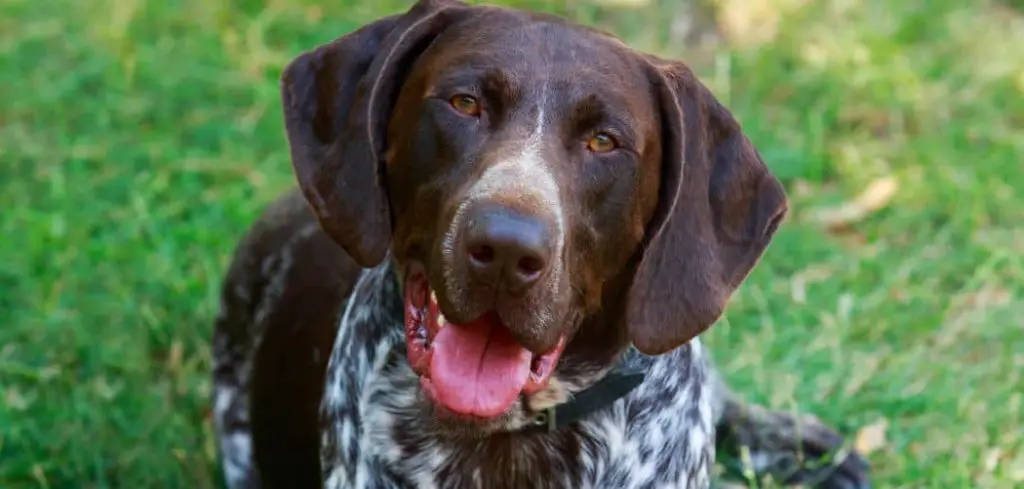
Dog Gagging but Acting Normal: Common Causes
Throat or Tracheal Irritation
Throat or tracheal irritation is a frequent reason for gagging without other symptoms.
Dogs may develop mild inflammation due to dust, pollen, smoke, or even licking something irritating. The gag reflex helps clear the airway, which can occur without affecting energy or appetite.
This type of gagging is usually intermittent and may improve once the irritant is removed or with supportive care.
Related: Dog Coughing but Acting Normal (What it means)
Hairballs or Oral Foreign Objects
Dogs, particularly those who groom themselves frequently, may develop hairballs or ingest small foreign objects.
These can temporarily irritate the throat and trigger gagging. Unlike choking, which is urgent, a hairball or small object may allow the dog to act normally between episodes.
If the gagging persists or the dog shows signs of discomfort, a veterinarian may need to remove the object or provide treatment to ease irritation.
Reverse Sneezing
Reverse sneezing is a common, benign cause of gagging in dogs, often mistaken for distress.
During an episode, a dog may make snorting or gagging sounds as air rapidly moves through the nasal passages.
Dogs are usually alert, responsive, and continue normal activities afterward. While unsettling to witness, reverse sneezing rarely requires treatment unless episodes become frequent or severe.
Mild Respiratory Infections
Mild upper respiratory infections can lead to occasional gagging as the throat and airway react to inflammation or mucus.
Dogs may continue eating, drinking, and playing normally, making the gagging appear isolated. Symptoms such as sneezing, coughing, or nasal discharge may be subtle.
Persistent gagging with mild respiratory signs should be monitored, and a veterinarian may recommend supportive care or medication if needed.
Gastrointestinal Upset
Occasional gagging may result from minor gastrointestinal irritation or reflux. Dogs with mild upset may retch or gag without vomiting, yet still act normally otherwise.
Dietary indiscretion, mild acid reflux, or sensitivity to certain foods can trigger these episodes.
Maintaining a consistent diet and monitoring for any changes in appetite or stool can help manage the issue.
Collapsing Trachea
A collapsing trachea, more common in small or toy breeds, can cause gagging that appears alarming but does not immediately impact normal behavior.
The tracheal rings weaken, causing the airway to partially collapse during inhalation or excitement, which triggers a gagging or honking sound. Dogs may eat, play, and act normally between episodes.
Veterinary evaluation is important for diagnosis and management, especially if gagging occurs frequently or worsens over time.
Related: Old dog gagging (Common causes explained)
What to Do If Your Dog Is Gagging but Acting Normal
Observe your dog closely and note the frequency, timing, and triggers of gagging episodes. Keep her environment free from smoke, dust, or strong odors that may irritate the throat.
Ensure your dog maintains a healthy diet and avoid giving treats or foods that could provoke gagging, such as dry kibble that is too hard or small bones. If hairballs or foreign objects are suspected, gentle grooming and monitoring for other signs are recommended.
Provide reassurance during episodes and avoid causing stress, as anxiety can exacerbate gagging in sensitive dogs. Document any new symptoms, and if episodes increase in frequency, consult your veterinarian for a proper assessment.
When to Call or Visit Your Vet
Contact your veterinarian if gagging becomes persistent, severe, or is accompanied by vomiting, coughing, difficulty breathing, or lethargy.
Immediate attention is necessary if your dog shows signs of choking, inability to swallow, bluish gums, or repeated gagging that does not resolve.
Veterinary evaluation is also recommended for small breeds prone to collapsing trachea, suspected ingestion of foreign objects, or chronic gagging associated with respiratory or gastrointestinal conditions.
Read more: Dog coughing up white foamy mucus (What it means)
Key Takeaway
A dog gagging but acting normal can result from mild throat irritation, hairballs, reverse sneezing, minor infections, gastrointestinal upset, or structural issues like a collapsing trachea.
While the dog may appear healthy, careful observation is important to ensure episodes do not indicate a more serious condition.
Maintaining a safe environment, monitoring diet, grooming regularly, and seeking veterinary care when gagging persists will help keep your dog comfortable and healthy.
Early intervention and attentive care provide reassurance and prevent potential complications.