
A dog developing red eyes after a vaccination can be alarming, especially when it happens suddenly and your dog seems uncomfortable or unwell.
Eye redness, a possible vaccine reaction, can sometimes be temporary and can also signal an immune reaction that needs attention.
We outline the common reasons why red eyes may occur in dogs after vaccination, what you can do, and when to contact your veterinarian.
Dog Eyes Red After Vaccine: Why It Happens
Red eyes after a vaccine happen because your dog’s immune system becomes activated and releases inflammatory chemicals that can affect the delicate blood vessels of the eyes. This reaction can range from mild irritation to a more serious allergic response, especially in dogs that are sensitive to vaccines or received multiple injections at once.
The immune system’s response may also increase tear production, widen blood vessels, and cause fluid to leak into surrounding tissues, making the eyes appear bloodshot or swollen.
In some cases, eye redness is part of a broader reaction that also includes facial swelling, itchiness, lethargy, or gastrointestinal upset.
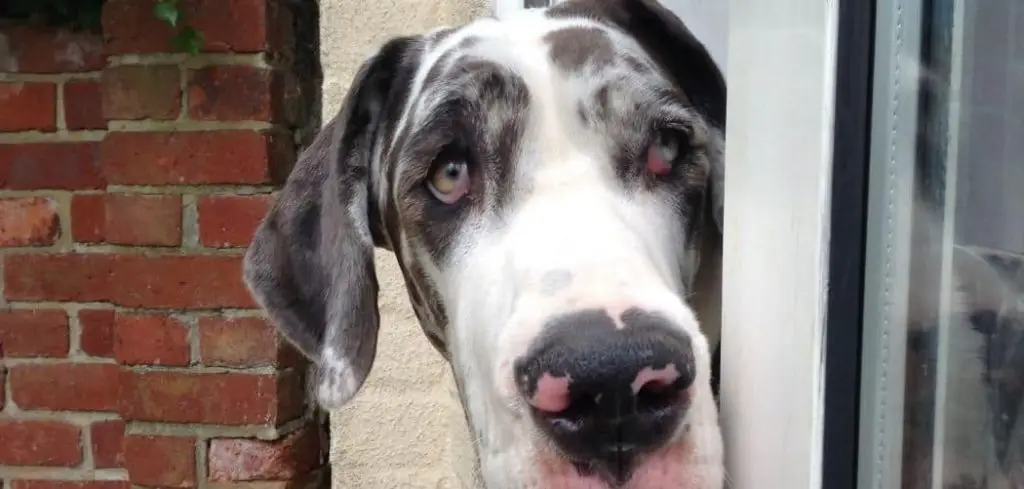
Dog Eyes Red After Vaccine: Common Causes
Immune Mediated Inflammation
After a vaccine, the immune system shifts into high alert to recognize and fight what it perceives as a foreign substance.
In some dogs, this immune response becomes exaggerated, causing inflammation throughout the body, including the small blood vessels in the eyes.
When these vessels dilate, the whites of the eyes turn red and irritated, and the eyes may look glassy or watery.
This type of inflammation is usually temporary, but it can be uncomfortable and is a sign that the immune system is under strain.
Dogs experiencing immune-mediated inflammation may also appear tired, slightly feverish, or less interested in food. While mild cases often resolve on their own, persistent redness suggests the immune system is continuing to react and needs veterinary evaluation.
Related: Dog diarrhea after vaccines (Why it happens)
Allergic Reaction to Vaccine Components
Some dogs are sensitive or allergic to ingredients in vaccines, such as preservatives, adjuvants, or proteins used to stimulate immunity.
When this happens, histamines are released into the bloodstream, which causes blood vessels to swell and become leaky.
The eyes are especially vulnerable to this reaction, so redness, swelling around the eyelids, and increased tearing are common.
You may notice your dog rubbing their face, squinting, or acting restless along with red eyes.
This type of reaction can escalate quickly into facial swelling or breathing difficulty, which is why sudden eye redness after vaccination should always be taken seriously.
Vaccine-Induced Blood Vessel Dilation
Vaccines stimulate circulation as immune cells travel through the bloodstream to respond to the injection.
In some dogs, this causes excessive widening of blood vessels, particularly in sensitive tissues like the eyes. When this happens, the eyes can look bloodshot or irritated, even without obvious swelling.
This type of redness may appear within hours after vaccination and can come and go. Although it may look mild at first, ongoing dilation can lead to eye discomfort, dryness, and increased sensitivity to light.
Systemic Inflammatory Response
Some dogs develop a whole-body inflammatory response after vaccination, which can include fever, lethargy, body soreness, and eye redness.
This happens because the immune system releases inflammatory proteins that affect multiple organs at once.
When this occurs, red eyes are often paired with a dull or tired expression, reduced appetite, and reluctance to move.
While this response usually improves within a day or two, worsening symptoms mean the body is struggling to regulate inflammation.
Secondary Eye Irritation From Facial Swelling
Vaccines can cause localized or generalized swelling, especially around the face and muzzle.
When tissues around the eyes swell, they can press on tear ducts and blood vessels, leading to red, watery, or puffy eyes.
You might notice your dog’s face looking fuller, the eyelids drooping, or the whites of the eyes becoming more visible. This is a strong indicator of an allergic-type response and should be monitored closely.
Stress-Related Eye Redness
Vaccinations can be stressful, and stress hormones such as cortisol and adrenaline can temporarily increase blood pressure and widen blood vessels.
In dogs that are already anxious or sensitive, this can cause eye redness without obvious swelling.
These dogs may pant, pace, or seem unsettled along with red eyes. While this type of redness may fade as the dog calms down, it should not be ignored if it persists or worsens.
Related: Old dog eyes (Common age related problems)
What to Do If Your Dog Has Red Eyes After Vaccine
Keep your dog calm and in a quiet, dimly lit area to reduce eye strain and stress. Bright lights and excitement can worsen blood vessel dilation and discomfort.
Offer fresh water and encourage gentle rest. Hydration supports the immune system and helps flush inflammatory chemicals from the body.
Monitor your dog’s eyes closely for changes such as increasing redness, discharge, swelling, or squinting. Subtle changes can indicate that the reaction is progressing.
Avoid touching or rubbing your dog’s eyes, even if they appear itchy. This can introduce bacteria and worsen irritation.
If your dog seems uncomfortable, tired, or unusually quiet, keep activity minimal and observe their behavior over the next several hours.
When to Call or Visit Your Vet
Call your vet immediately if your dog’s eyes become very swollen, puffy, or start to close.
Seek urgent care if redness is accompanied by facial swelling, hives, vomiting, diarrhea, or difficulty breathing.
Contact your veterinarian if eye redness lasts longer than 24 hours or appears to worsen instead of improving.
Schedule an exam if your dog is lethargic, not eating, or showing signs of pain along with red eyes.
Read more: Dog side effects after vaccines (Possible reactions explained)
Key Takeaway
Red eyes after a vaccine are a sign that your dog’s immune system is reacting to the injection, and while many cases are mild, they should never be ignored.
Watching closely for swelling, behavior changes, and worsening redness helps you catch serious reactions early.
When in doubt, a quick call to your veterinarian can prevent minor irritation from becoming a dangerous allergic or inflammatory emergency.