
Seeing blood in your dog’s stool after a vaccine is frightening and can make any dog parent worry that something has gone very wrong.
While mild digestive upset after vaccination is fairly common, bloody diarrhea is never something to ignore because it signals inflammation, bleeding, or injury inside the digestive tract.
This guide explains the most common causes of bloody diarrhea in dogs after a vaccine, what you can do and seek veterinarian .
Table of Contents
Dog Diarrhea With Blood After Vaccine
Bloody diarrhea after a vaccine happens when the immune system reacts in a way that inflames and damages the lining of the intestines. This can be triggered by a strong immune response to the vaccine itself, a sensitivity to vaccine ingredients, or a stress-related flare-up of the gut.
In some dogs, especially those with underlying digestive issues, the immune stimulation from a vaccine can cause the intestinal lining to become fragile and start bleeding, leading to streaks or clots of blood in the stool.
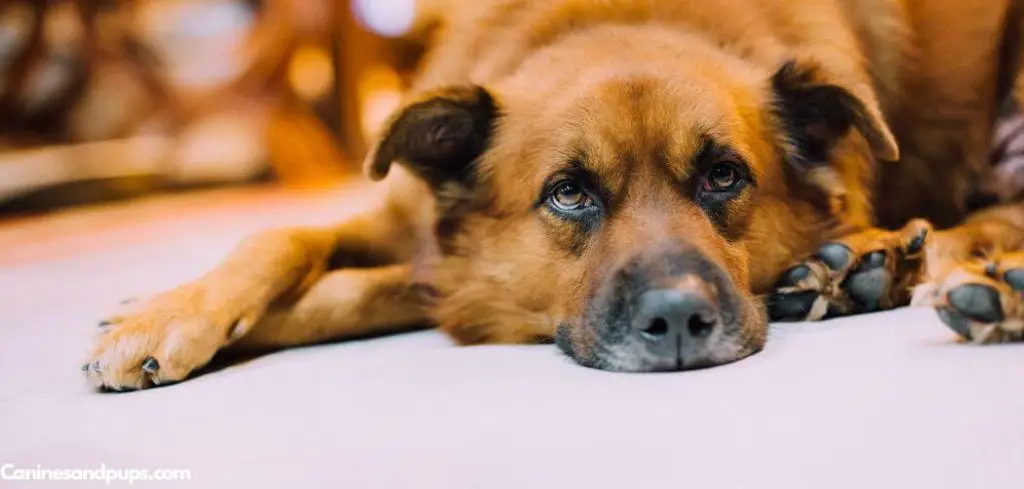
Dog Diarrhea With Blood After Vaccine: Common Causes
Severe Intestinal Inflammation
After vaccination, the immune system releases chemicals that help build protection against disease.
In some dogs, this response is more intense than it should be. Those inflammatory chemicals can irritate the lining of the intestines so much that tiny blood vessels break and bleed.
This leads to diarrhea mixed with fresh red blood or darker, tar-like stools if the bleeding occurs higher in the gut. Dogs with this condition may also strain, whimper, or appear uncomfortable when trying to defecate.
Related: Dog diarrhea after vaccines (Why it happens)
Hemorrhagic Gastroenteritis Triggered by Immune Stress
Some dogs develop a condition called hemorrhagic gastroenteritis, which causes sudden, bloody diarrhea and rapid dehydration.
While the exact cause is not fully understood, immune stress is a known trigger. Vaccination can act as that stressor, pushing a vulnerable dog into this dangerous state.
Dogs with this condition often pass large amounts of watery stool mixed with bright red blood and may become weak, lethargic, or nauseous very quickly.
Delayed Hypersensitivity Reaction
A delayed allergic reaction can occur 24 to 72 hours after vaccination.
Instead of causing immediate hives or swelling, this type of reaction leads to widespread immune activation that damages tissues, including the intestinal lining.
As the gut becomes inflamed and fragile, bleeding can occur, resulting in bloody diarrhea along with vomiting, fever, or extreme fatigue.
Flare-Up of Pre-Existing Digestive Disease
Dogs with inflammatory bowel disease, food sensitivities, or previous episodes of colitis are much more vulnerable after vaccination.
The immune stimulation from the vaccine can worsen underlying inflammation, causing the gut lining to break down and bleed.
These dogs often develop mucus-coated stools, streaks of blood, increased urgency to defecate, and abdominal discomfort.
Stress Induced Colitis
The stress of a vet visit, restraint, and injection can cause a surge of stress hormones that affect the large intestine.
This leads to a condition called colitis, where the colon becomes inflamed and irritated. Colitis often causes frequent small stools with mucus and fresh blood.
The timing of two or three days after a vaccine fits well with stress-related colitis, especially in anxious dogs.
Vaccine Related Vascular Inflammation
In rare cases, vaccines can trigger inflammation of blood vessels, a condition known as vasculitis.
When this occurs in the intestines, blood vessels can leak or rupture, allowing blood to enter the stool.
This type of reaction may also be accompanied by skin sores, swelling, or bruising elsewhere on the body.
Related: Dog Diarrhea 2 Days After Vaccine (Here’s why)
What to Do If Your Dog Has Dog Diarrhea With Blood After A Vaccine
Limit food temporarily so the intestines can rest, but never withhold water. Dehydration is one of the biggest dangers when bloody diarrhea is present.
Offer small, frequent sips of water or ice chips to keep your dog hydrated without overwhelming the stomach.
Keep your dog calm and confined to prevent unnecessary movement, which can worsen intestinal bleeding.
Monitor the amount of blood, the frequency of diarrhea, and your dog’s overall energy level so you can report accurate information to your veterinarian.
Avoid giving over-the-counter medications unless your vet specifically instructs you to do so, as some drugs can make bleeding worse.
When to Call or Visit Your Vet
Any blood in the stool after vaccination should be taken seriously and reported to your veterinarian.
Seek immediate care if the diarrhea is frequent, watery, or mixed with large amounts of blood.
Go to the emergency vet if your dog becomes weak, collapses, vomits repeatedly, or refuses to drink.
Puppies, small dogs, and older dogs are at especially high risk of dehydration and shock and should be seen right away.
Read more: Dog side effects after vaccines (Possible reactions explained)
Key Takeaway
Bloody diarrhea after a vaccine is not a normal side effect and usually means the digestive system is inflamed or bleeding. While some cases are mild, others can become life-threatening very quickly.
Prompt veterinary attention is the best way to keep your dog safe and ensure a full recovery after vaccination.