
A dog developing diarrhea two days after a vaccine can be alarming, especially when it comes with fatigue, appetite changes, or unusual behavior.
While many vaccine reactions are mild and short-lived, digestive upset can signal the immune system is working—or that something more serious is happening.
We outline why this possible vaccine reaction happens, what to do and when to contact your veterinarian or an emergency clinic immediately.
Table of Contents
Dog Diarrhea 2 Days After Vaccine
Diarrhea two days after a vaccine usually happens because the immune system is actively responding to the shot, which can temporarily disrupt the digestive tract.
As the body produces antibodies, inflammatory chemicals can irritate the stomach and intestines, leading to loose stools.
Some dogs also react to vaccine additives or preservatives, while others experience stress-related gut upset from the vet visit itself.
In rarer cases, the vaccine can trigger an exaggerated immune response that causes widespread inflammation, including in the gastrointestinal tract.
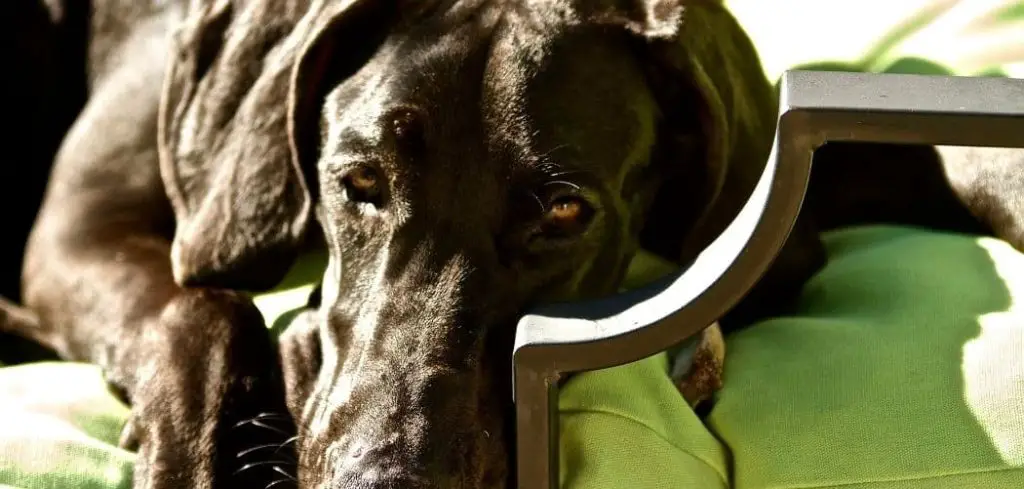
Dog Diarrhea 2 Days After Vaccine: Common Causes
Immune System Activation
After a vaccine, a dog’s immune system goes into training mode. White blood cells release inflammatory chemicals designed to recognize and fight future infections. While this is exactly what should happen, those same chemicals can also irritate the lining of the intestines.
When the gut becomes inflamed, it cannot absorb water normally, causing loose, watery stools.
This often appears one to three days after vaccination, which is why diarrhea may start on day two rather than immediately.
Dogs may also seem tired, less hungry, or slightly warm to the touch because the immune system is using a lot of energy.
Related: Dog diarrhea after vaccines (Why it happens)
Vaccine Sensitivity or Mild Allergic Reaction
Some dogs are more sensitive to vaccine ingredients such as stabilizers, adjuvants, or preservatives.
In these dogs, the immune system reacts more strongly than necessary, causing inflammation not only at the injection site but throughout the body. The digestive system is especially vulnerable because it contains a large number of immune cells.
This can lead to diarrhea, gurgling stomach sounds, mild vomiting, or increased drooling. Even if there is no facial swelling or hives, gut-only allergic reactions are common.
Stress-Related Gastrointestinal Upset
The trip to the veterinary clinic, handling, injections, and new smells can all be stressful for a dog.
Stress triggers the release of cortisol and adrenaline, which change how the intestines move. Instead of absorbing fluids slowly, the gut may push food through too quickly, leading to diarrhea.
This type of stress-induced diarrhea often appears a day or two after the event, especially in dogs that are naturally anxious or sensitive.
Disruption of the Gut Microbiome
Vaccines can temporarily change the balance of bacteria inside the digestive system.
The immune response affects not only harmful microbes but also beneficial gut bacteria. When healthy bacteria are reduced, harmful bacteria can grow more easily, causing fermentation, gas, and loose stools.
This imbalance can last several days, making diarrhea continue longer than expected even if the dog otherwise seems normal.
Related: Puppy diarrhea after vaccines (Causes explained)
Underlying Digestive Sensitivity
Some dogs already have a sensitive stomach, inflammatory bowel disease, food intolerances, or a history of digestive problems.
For these dogs, the immune activation from a vaccine can push the gut over its limit, causing a flare-up of symptoms.
This is why dogs with previous digestive issues are more likely to get diarrhea after vaccination and may take longer to recover.
Delayed Hypersensitivity Reaction
In rare cases, a delayed immune reaction can occur 24–72 hours after vaccination.
This type of reaction causes immune cells to attack tissues inappropriately, leading to inflammation in multiple organs, including the intestines.
These dogs may develop severe diarrhea, vomiting, fever, weakness, or abdominal pain. This is not common, but it is serious when it occurs.
Read more: Dog Diarrhea With Blood After Vaccine (What it means)
What to Do
Start by limiting food for about twelve hours if your dog is an adult and otherwise stable. This gives the intestines time to settle and reduces further irritation.
Make sure fresh water is always available. Small, frequent sips are better than large gulps, which can trigger more diarrhea.
After the rest period, introduce a bland diet such as boiled chicken and plain rice in small portions. This is easy on the digestive system and can help firm up stools.
Keep your dog calm and well-rested. Avoid walks, play sessions, or excitement that could worsen intestinal movement.
Monitor stool consistency, frequency, and any additional symptoms like vomiting, weakness, or fever, as these help determine if veterinary care is needed.
When to Call or Visit Your Vet
Call your vet if the diarrhea lasts longer than 24 hours or becomes watery and frequent.
Seek immediate care if your dog also vomits, becomes lethargic, collapses, or refuses to drink.
Go to the vet right away if you notice blood in the stool, severe abdominal pain, facial swelling, or trouble breathing.
Puppies, small dogs, and older dogs should be seen sooner because dehydration can happen quickly in these groups.
Read more: Dog side effects after vaccines (Possible reactions explained)
Key Takeaway
Diarrhea two days after a vaccine is usually caused by the immune system reacting to the shot, stress from the vet visit, or temporary gut imbalance. Most dogs recover within a day or two with rest and gentle care.
However, severe or persistent diarrhea should never be ignored, as it can signal a serious reaction.
When in doubt, checking with your veterinarian is always the safest way to protect your dog’s health.