
Seeing your dog coughing up white foam can be frightening — especially when it happens suddenly or repeatedly.
This symptom can mean anything from mild stomach irritation to serious health problems involving the lungs, heart, or digestive tract.
We outline the common reasons why a dog may cough up white foam, what you can do, and when it’s time to seek veterinary care.
Table of Contents
Dog Coughing Up White Foam: Why It Happens
When a dog coughs up white foam, it’s usually caused by irritation or fluid buildup in the airways or stomach. The foam often forms when saliva and air mix during intense coughing, vomiting, or gagging. Common reasons include kennel cough, acid reflux, tracheal irritation, heart disease, or even bloat.
White foam can also appear when a dog has overexerted itself, inhaled something irritating, or is experiencing an infection in the respiratory tract.
The underlying cause depends on what other symptoms you see, how often it happens, and your dog’s overall condition.
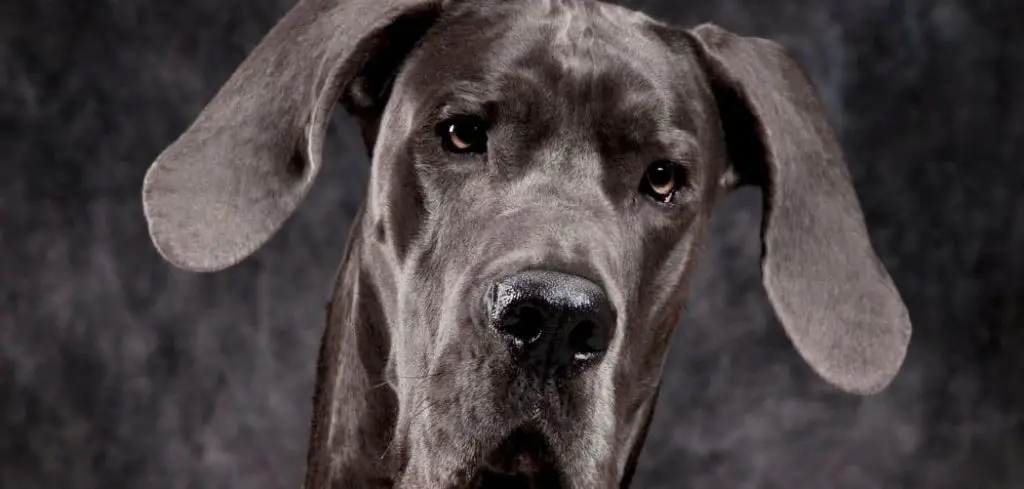
Dog Coughing Up White Foam: Common Causes
Kennel Cough
Kennel cough is one of the most common causes of dogs coughing up white foam. It’s a contagious respiratory infection spread through airborne droplets, much like a cold in humans.
The condition inflames the trachea and bronchi, leading to a harsh, honking cough that can produce frothy white mucus.
You may notice your dog retching or hacking as if something is stuck in their throat. The coughing can worsen at night or after excitement.
In mild cases, dogs act normal otherwise — eating, playing, and drinking as usual. But if untreated, it can progress into a deeper chest infection or pneumonia.
Most dogs recover with rest and prescribed cough suppressants, but it’s important to isolate your dog from others to prevent spreading the infection.
Related: Dog constant hacking cough (What it means)
Acid Reflux
Just like humans, dogs can suffer from acid reflux, where stomach acid backs up into the esophagus and irritates the throat.
This irritation can cause coughing, gagging, or vomiting of a white, foamy substance — especially after eating or lying down.
Small breeds, older dogs, or those fed one large meal a day are more prone to reflux because their stomach empties slowly.
The foam you see is usually saliva mixed with stomach acid and air. Over time, chronic reflux can inflame the esophagus and make swallowing uncomfortable.
Feeding smaller, more frequent meals and elevating food bowls can help reduce symptoms, but if your dog’s coughing persists, your vet may prescribe medication to control acid production.
Read more: Dog Coughing Up Phlegm (What it means and when to worry)
Tracheal Collapse
Tracheal collapse is a progressive condition common in small breeds like Yorkies, Pomeranians, and Chihuahuas. The cartilage rings that support the trachea weaken, causing the airway to narrow during breathing.
This leads to a dry, honking cough that can sometimes produce white foam or mucus.
Dogs with tracheal collapse often cough more when excited, pulling on their leash, or exposed to irritants like smoke or perfume.
Over time, the coughing becomes more frequent, and some dogs may develop breathing difficulty or gagging episodes.
While tracheal collapse isn’t curable, it can be managed with weight control, medication to ease inflammation, and using a harness instead of a collar to reduce throat pressure.
Read more: Deep honking cough in dogs (Causes explained)
Bloat (Gastric Dilatation-Volvulus)
One of the most serious causes of a dog coughing up white foam is bloat, also called gastric dilatation-volvulus (GDV). In this life-threatening emergency, the stomach fills with gas and can twist, trapping air and food inside. The dog tries to vomit but can only bring up white, foamy saliva.
Other signs include restlessness, a swollen or hard belly, drooling, and signs of pain.
Dogs may pace, whine, or stretch repeatedly in discomfort. Large, deep-chested breeds like Great Danes, German Shepherds, and Boxers are at highest risk.
Bloat requires immediate emergency veterinary care. Every minute counts because it can cut off blood flow to vital organs. If your dog is retching white foam but nothing comes up and their belly looks enlarged, go to the vet right away.
Heart Disease and Pulmonary Edema
When a dog’s heart can’t pump efficiently, fluid can back up into the lungs, causing coughing and production of frothy white or pink-tinged mucus. This symptom is common in dogs with congestive heart failure.
You may notice your dog coughing more at night or after lying down, breathing rapidly, or tiring easily during walks.
Some dogs also lose their appetite or faint after coughing fits. The foam occurs when fluid from the lungs mixes with air, creating bubbles that resemble froth.
Heart-related coughing needs veterinary evaluation immediately. Early diagnosis and treatment with medications can help control symptoms and improve your dog’s quality of life.
Ingesting Toxins or Irritants
If your dog has recently eaten grass treated with chemicals, cleaning products, or spoiled food, their body might react by vomiting up white foam. Toxins irritate the stomach lining, leading to gagging, retching, and excessive saliva that turns foamy when expelled.
You may also see drooling, pawing at the mouth, trembling, or diarrhea. Depending on what was ingested, this can range from mild irritation to a medical emergency.
Never try to induce vomiting unless your vet instructs you to — some substances can cause more damage on the way back up. Always call your vet or a pet poison hotline if you suspect ingestion.
Allergies
Sometimes, white foam appears after a dog coughs violently due to airway irritation or allergies.
The act of persistent coughing can create foam as air mixes with saliva and mucus. Common irritants include pollen, smoke, dust, or strong household cleaners.
Dogs may also experience watery eyes, sneezing, or licking their lips frequently. Although usually not dangerous, chronic irritation can lead to inflammation or infection. Keeping your dog away from triggers and using air purifiers can make a noticeable difference.
Read more: Dog Coughing Up Yellow Mucus (What it really means)
Dog Coughing Up White Foam after Running
White foam after running is often linked to overexertion, heat stress, or airway irritation.
Dogs that exercise intensely may swallow excess air or become mildly nauseous, leading to foamy saliva or vomiting.
Brachycephalic breeds are especially prone due to breathing difficulties during exercise.
If it happens frequently or is accompanied by collapse, heavy panting, or weakness, it may indicate overheating or heart/lung issues requiring veterinary evaluation.
Dog Coughing Up White Foam with Blood
White foam mixed with blood is a serious warning sign. It may indicate severe throat irritation, trauma, poisoning, advanced infection, or gastrointestinal bleeding.
Conditions like hemorrhagic gastroenteritis, severe kennel cough complications, or foreign body injury can also cause this symptom.
This is an emergency situation, especially if the bleeding continues or the dog becomes weak, and requires immediate veterinary attention.
Dog Coughing Up White Foam after Eating
Foamy vomiting after eating can result from eating too quickly, food intolerance, acid reflux, or regurgitation from esophageal issues.
Some dogs also experience gastritis after consuming rich or unfamiliar foods. In some cases, swallowing air while eating can lead to foamy vomit shortly after meals.
If this happens regularly, slowing down feeding, adjusting diet, or veterinary evaluation for reflux or digestive disease may be necessary.
Dog Coughing Up White Foam and Shaking
When white foam vomiting is combined with shaking, it may indicate nausea, pain, stress, or systemic illness. Shaking can also signal low blood sugar, fever, or toxin exposure, especially in small or young dogs.
This combination suggests the dog is feeling significantly unwell rather than experiencing mild irritation.
If symptoms persist or worsen, immediate veterinary assessment is important to rule out serious underlying conditions.
Dog Coughing Up White Foam at Night
Nighttime white foam coughing or vomiting may be linked to acid reflux, kennel cough, heart disease, or airway irritation that worsens when lying down.
Some dogs also experience increased mucus buildup overnight, leading to coughing fits or foamy discharge in the morning.
If nighttime symptoms are frequent or disrupt sleep, a veterinary check is needed to investigate respiratory or cardiac causes.
Old Dog Coughing Up White Foam
In older dogs, white foam coughing or vomiting is often related to chronic conditions such as heart disease, kidney disease, acid reflux, or respiratory illness.
Senior dogs may also have weaker immune systems, making them more vulnerable to infections that cause coughing and foamy discharge.
Because older dogs are higher risk, persistent symptoms should always be evaluated to manage pain, improve breathing, and address underlying disease early.
What to Do If Your Dog Is Coughing Up White Foam
If your dog coughs up white foam once and then acts normal, it may simply be a minor irritation or reflux episode. Offer water, keep them calm, and observe closely for the next 24 hours.
Avoid giving food immediately after vomiting or coughing episodes — wait at least an hour to let the stomach settle. You can later offer bland food like boiled chicken and rice in small portions.
Make sure your dog stays hydrated, as dehydration can thicken mucus and make coughing worse. Keeping your home environment smoke-free and using a humidifier during dry seasons can also help soothe irritated airways.
If the coughing or foaming repeats, becomes more forceful, or your dog seems weak, tired, or has trouble breathing, it’s important to seek veterinary care. Repeated coughing up white foam is rarely “just a normal thing.”
When to Call or Visit Your Vet
Contact your vet right away if you notice any of the following signs:
Coughing up white foam more than once or for over 24 hours.
Difficulty breathing, wheezing, or blue gums.
A swollen or firm abdomen (possible sign of bloat).
Lethargy, collapse, or fainting.
Loss of appetite or refusal to drink.
Persistent gagging or retching without producing vomit.
Coughing that worsens at night or after exercise.
If your dog has underlying heart disease or respiratory issues, don’t wait to see if it improves — white foam can signal worsening congestion or infection that needs urgent care.
Read more: Dog Coughing Up Phlegm (Here’s what’s going on)
Dog Coughing Up White Foam: Treatment
Treatment depends on the cause. Mild cases may require dietary adjustments, slower feeding, rest, and hydration.
Kennel cough may need cough suppressants or antibiotics if bacterial infection is present.
Acid reflux can be managed with dietary changes and medication, while respiratory or heart conditions require long-term veterinary care.
Because white foam coughing can range from mild irritation to serious illness, proper diagnosis is essential before treatment to ensure the correct approach and prevent complications.
Dog Vomiting White Foam and Died
In severe cases, white foam vomiting can be associated with life-threatening conditions such as poisoning, organ failure, bloat (GDV), or advanced infections like parvovirus.
When a dog dies after showing this symptom, it is often because the underlying disease progressed rapidly and was not treated in time.
Any case of persistent foamy vomiting combined with weakness, collapse, or severe distress should always be treated as an emergency.
Key Takeaway
When your dog is coughing up white foam, it’s a sign that something is irritating their respiratory or digestive tract — and while some cases are mild, others can be life-threatening.
Kennel cough, reflux, and allergies can cause temporary bouts, but conditions like bloat, heart failure, or tracheal collapse require immediate veterinary care. Always observe your dog’s breathing, appetite, and energy level closely, and err on the side of caution if symptoms persist.
With quick attention and the right treatment, most dogs recover fully — breathing easier, feeling better, and keeping that happy tail wagging again.