
If your dog repeatedly lowers their front half to the ground while keeping their rear end raised, they may be displaying what veterinarians often call the “prayer position.”
While this posture can sometimes be a normal stretch or play bow, a dog that is bowing in pain often appears uncomfortable, restless, and unable to settle.
Painful bowing may initially be mistaken for normal stretching. However, when the behavior occurs repeatedly, especially alongside other symptoms, it can indicate a significant medical problem.
In some cases, bowing is one of the earliest signs that a dog is experiencing abdominal pain.
Understanding why dogs bow in pain can help you recognize when the behavior is normal and when it requires prompt veterinary attention.
Table of Contents
Dog Bowing in Pain: Why It Happens
A dog bowing in pain may happen because of abdominal pain, pancreatitis, digestive disorders, bloat, back problems, injuries, or other medical conditions that make stretching feel temporarily relieving.
Dogs often assume a bowing position because stretching temporarily relieves pressure in the abdomen, chest, back, or muscles. When pain develops in these areas, extending the front legs and lowering the chest may provide short-term comfort.
The key difference between a normal stretch and a pain-related bow is frequency.
A healthy dog may bow once or twice after waking up or during play. A dog in pain often repeats the posture many times and may appear distressed.
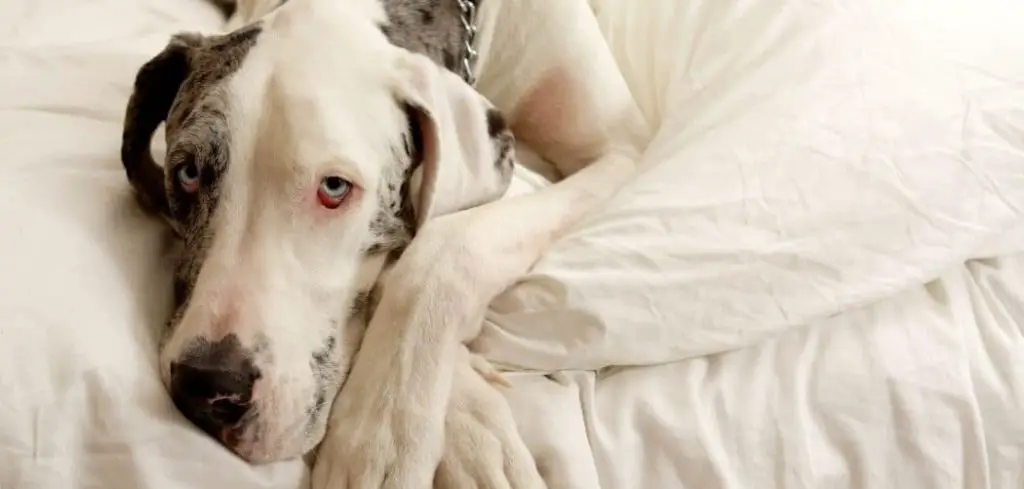
Common symptoms include:
Repeated bowing or prayer position
Restlessness
Vomiting
Loss of appetite
Panting
Whining
Abdominal tenderness
Lethargy
Dog Bowing in Pain: Common Causes
Pancreatitis
Pancreatitis is one of the most common and important causes of painful bowing in dogs.
The pancreas sits near the stomach and small intestines. When it becomes inflamed, significant abdominal pain can develop. Many affected dogs repeatedly assume a prayer-like position because stretching helps reduce pressure on the painful area.
Noticeable is a dog lowering their chest to the floor while keeping the hindquarters elevated. The behavior may occur multiple times throughout the day.
In addition to bowing, dogs with pancreatitis frequently experience vomiting, diarrhea, lethargy, loss of appetite, and abdominal tenderness. Some become severely ill and may require hospitalization.
High-fat meals, obesity, certain medications, and underlying diseases can increase the risk of pancreatitis.
Because the condition can become life-threatening in severe cases, prompt veterinary care is essential whenever pancreatitis is suspected.
General Abdominal Pain
Abdominal pain from many different causes can lead to repeated bowing.
Dogs instinctively seek positions that reduce discomfort. Stretching the abdomen may temporarily relieve pressure, making the prayer position particularly appealing when pain is present.
Abdominal pain may result from gastrointestinal inflammation, infections, liver disease, intestinal disorders, stomach ulcers, or organ dysfunction.
Some dogs become restless and repeatedly alternate between standing, lying down, and bowing because they cannot find a comfortable position.
Additional symptoms often include panting, trembling, decreased appetite, vomiting, or sensitivity when the abdomen is touched.
Because abdominal pain can indicate serious disease, persistent bowing should never be ignored.
Read more: Dog suddenly limping front legs (Causes and treatment)
Gastric Dilatation-Volvulus (Bloat)
Bloat is one of the most serious causes of bowing in pain and requires immediate emergency treatment.
This condition occurs when the stomach fills with gas and may twist on itself. As pressure builds, dogs experience severe abdominal discomfort and often attempt to relieve it by stretching or bowing repeatedly.
Affected dogs are usually restless and unable to settle. They may pace, drool excessively, and repeatedly attempt to vomit without producing anything. The abdomen often becomes enlarged and tight.
Large and deep-chested breeds are at greatest risk, although any dog can develop bloat.
Because the condition can become fatal within hours, immediate veterinary care is critical if bloat is suspected.
Gastritis and Stomach Irritation
Inflammation of the stomach lining can cause discomfort significant enough to trigger repeated bowing.
Dogs with gastritis often feel nauseated and uncomfortable. Stretching may temporarily relieve some of the pressure associated with stomach irritation.
Gastritis can occur after eating spoiled food, garbage, toxins, excessive treats, or foods that do not agree with the dog’s digestive system.
Some dogs develop chronic gastritis due to food sensitivities or underlying digestive disorders.
In addition to bowing, affected dogs may vomit, eat grass, drool, lick their lips, or show reduced interest in food.
While mild gastritis may improve quickly, persistent symptoms require veterinary evaluation.
Related: Dog back legs collapsing (Why it happens)
Intestinal Obstruction
An intestinal blockage can cause severe abdominal pain and repeated bowing.
Dogs frequently swallow objects such as socks, toys, rocks, bones, or pieces of fabric. If these items become lodged within the digestive tract, food and fluids cannot move normally through the intestines.
As pressure builds, dogs often develop pain and discomfort that leads to stretching and bowing behaviors. Vomiting, appetite loss, lethargy, and worsening illness typically follow.
Some dogs initially show only subtle signs before becoming seriously ill.
Because intestinal obstructions can become life-threatening, immediate veterinary attention is necessary whenever a blockage is suspected.
Back Pain and Spinal Disorders
Not all painful bowing originates from the abdomen. Dogs with back injuries, muscle strains, arthritis, or spinal disorders sometimes stretch repeatedly because it temporarily relieves stiffness and discomfort.
Conditions such as intervertebral disc disease may cause dogs to adopt unusual postures in an effort to reduce pain.
Noticeable behavior is a reluctance to jump, difficulty climbing stairs, stiffness, trembling, or changes in gait. Unlike abdominal causes, digestive symptoms are often absent.
A veterinary examination is important to determine whether the source of pain is neurological, orthopedic, or abdominal.
Inflammatory Bowel Disease (IBD)
Inflammatory bowel disease causes chronic inflammation within the digestive tract and can lead to recurring abdominal discomfort.
Dogs with IBD often experience intermittent flare-ups. During these episodes, they may bow repeatedly because stretching temporarily eases abdominal pressure.
Other symptoms commonly include vomiting, diarrhea, weight loss, poor appetite, and increased stomach noises. Some dogs seem uncomfortable after eating and may frequently change positions.
Although IBD is typically a chronic condition, many dogs respond well to dietary management and medications that reduce inflammation.
Related: Dog not putting on weight on back legs (Here’s why)
Dog Bowing in Pain: What to Do
If your dog is bowing in pain, monitor them closely and contact your veterinarian.
What to do:
Restrict strenuous activity.
Observe for vomiting or diarrhea.
Monitor appetite and water intake.
Watch for abdominal swelling.
Keep a record of symptoms.
Prevent access to garbage or foreign objects.
Seek veterinary advice immediately.
Do not assume repeated bowing is simply a stretch, especially if other symptoms are present.
When to Call or Visit the Vet
A dog that repeatedly bows in pain should be evaluated by a veterinarian.
Seek veterinary care immediately if your dog has:
Repeated bowing throughout the day
Vomiting
Loss of appetite
Abdominal swelling
Severe lethargy
Signs of abdominal pain
Repeated unsuccessful attempts to vomit
Collapse
Difficulty breathing
These symptoms may indicate a medical emergency.
Dog Bowing in Pain: Treatment
A physical examination by your veterinarian helps to evaluate whether the bowing is related to abdominal pain, digestive disease, musculoskeletal problems, or another condition.
Diagnostic testing may include blood work, fecal testing, abdominal X-rays, ultrasound, and other imaging studies. These tests help identify problems such as pancreatitis, intestinal obstruction, gastritis, bloat, or spinal disease.
Treatment depends on the diagnosis. Some dogs require dietary changes and medications, while others may need hospitalization, surgery, or intensive supportive care.
Early diagnosis often improves outcomes and helps prevent complications.
Recovery and Monitoring
Recovery depends on the underlying cause of the pain. Dogs with mild digestive irritation may recover within a few days.
Conditions such as pancreatitis, inflammatory bowel disease, or spinal disorders may require longer-term treatment and monitoring.
Monitor your dog’s appetite, energy level, bowel movements, and frequency of bowing. Follow-up veterinary visits may be recommended to ensure recovery is progressing appropriately.
Providing a comfortable resting area and following your veterinarian’s treatment plan can help support recovery.
Key Takeaway
A dog bowing in pain is often a sign that something is causing discomfort in the abdomen, digestive tract, back, or spine. Common causes include pancreatitis, abdominal pain, gastritis, intestinal obstruction, inflammatory bowel disease, and bloat.
While an occasional play bow or stretch is normal, repeated bowing—especially when accompanied by vomiting, lethargy, appetite loss, or abdominal swelling—should never be ignored.
Because some causes can become serious very quickly, a veterinary evaluation is the safest way to determine why your dog is bowing and to begin appropriate treatment.
Early intervention often leads to better outcomes and a more comfortable recovery.


