
Seeing your dog suddenly become growly, snappy, or unusually aggressive after a vaccine can be shocking and upsetting.
Many dog owners worry that something has changed in their dog’s personality, but in most cases this behavior is a temporary response to physical discomfort or internal stress after vaccination.
We explain why aggression in dogs after a vaccine may happen and what to do.
Table of Contents
Dog Aggressive After Vaccine
Aggression after a vaccine usually happens because the dog is feeling unwell, painful, or overwhelmed by the immune system response triggered by the shot.
Vaccines activate the immune system, which releases inflammatory chemicals that can cause soreness, fever, nausea, and general body aches.
When a dog feels sick or in pain, they may become irritable, defensive, and less tolerant of touch, noise, or interaction, which can look like sudden aggression.
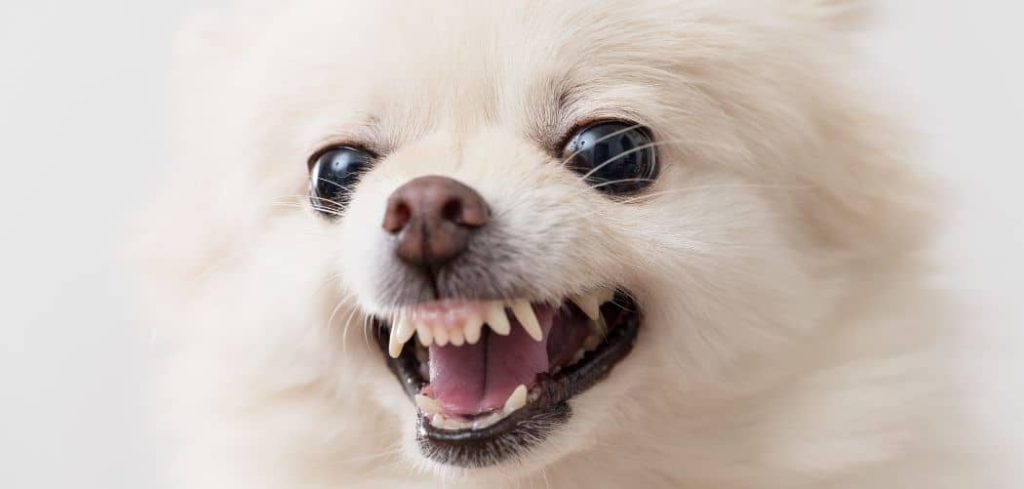
Dog Aggressive After Vaccine: Common Causes
Injection Site Pain and Muscle Soreness
After vaccination, it is very common for the muscle where the shot was given to become sore and inflamed.
This soreness can make even gentle handling uncomfortable. If someone pets, lifts, or bumps the painful area, the dog may growl, snap, or pull away to protect themselves.
Dogs that are normally friendly may appear short-tempered because they are reacting to physical pain rather than trying to be aggressive.
Related: Dog suddenly aggressive (Why it happens)
Fever and Body Aches
Some dogs develop a mild fever after vaccination as the immune system becomes activated.
Fever makes dogs feel tired, achy, and uncomfortable, similar to how people feel when they have the flu. When dogs feel this way, they often want to be left alone and may respond defensively if approached.
This can look like sudden irritability, hiding, or snapping when touched.
Immune System–Related Brain and Nerve Sensitivity
In rare cases, the immune response triggered by a vaccine can temporarily affect the nervous system.
This can cause confusion, anxiety, or changes in behavior, including aggression. Dogs may seem disoriented, restless, or unusually reactive.
These changes are usually temporary but should always be taken seriously if they appear suddenly after a vaccine.
Stress and Fear From the Vet Visit
The vet visit itself can be stressful for many dogs. Being restrained, injected, and surrounded by unfamiliar sights and smells raises stress hormones, which can carry over for hours or days afterward.
A dog that is still in a heightened stress state may react more strongly to everyday situations, appearing aggressive when they are actually fearful or overwhelmed.
Underlying Pain or Illness Made Worse by Vaccination
If a dog already has arthritis, dental disease, or another painful condition, the immune stress from vaccination can make that pain worse.
When pain increases, tolerance drops. A dog may snap or growl because their overall discomfort is higher than usual.
This is especially common in older dogs or dogs with chronic health problems.
Allergic Reaction
Some dogs develop allergic or inflammatory reactions after vaccines. These reactions can cause itching, swelling, and general malaise, making the dog uncomfortable and irritable.
A dog that feels itchy, swollen, or nauseous may act out when touched or approached.
Related: Old dog getting aggressive (Here’s why)
What to Do
Give your dog space and allow them to rest in a quiet area where they won’t be bothered.
Avoid touching or handling the injection site, especially if your dog flinches or pulls away.
Keep interactions calm and gentle, and do not force affection or play while your dog is recovering.
Monitor your dog’s temperature, appetite, and behavior so you can tell if they are improving or getting worse.
Contact your veterinarian if the aggression seems severe, lasts more than a day or two, or is accompanied by other symptoms.
When to Call or Visit Your Vet
Call your vet if your dog’s aggression appears suddenly and is out of character. Seek veterinary advice if your dog is also trembling, feverish, vomiting, or acting confused.
Go to an emergency clinic if aggression is paired with facial swelling, difficulty breathing, collapse, or seizures, as these can indicate a serious allergic reaction.
If behavior changes do not improve within 48 hours, a vet visit is recommended.
Read more: Dog side effects after vaccines (Possible reactions explained)
Key Takeaway
Aggression after a vaccine is usually a sign that your dog feels uncomfortable, sore, or unwell rather than a true behavior problem.
Most dogs return to their normal selves once the immune response settles and the soreness fades.
Keeping your dog comfortable and seeking veterinary advice when symptoms are intense or persistent helps ensure a safe and smooth recovery after vaccination.