
Akitas like all dogs are susceptible to various health problems. One such problem is diarrhea, which can be caused by a number of things.
So, what causes diarrhea in Akitas? And when is it an emergency?
Understanding why Akita diarrhea happens, how serious it can be, and how to respond properly can help protect your dog from dangerous complications and improve their quality of life.
Table of Contents
Why Does My Akita Have Diarrhea?
The common causes of Akita diarrhea include intestinal infection, dietary indiscretion, change in diet, stress, allergic reaction, side effects of medication, and organ dysfunction.
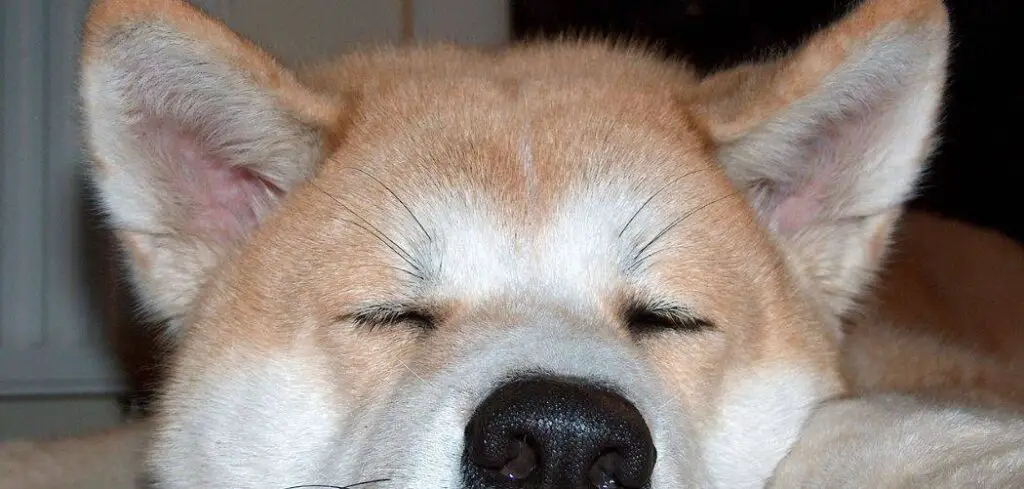
Akita Diarrhea
Dog diarrhea is the production of loose or unformed stools usually with increased amounts and frequency. It is a symptom of different diseases or conditions rather than a disease itself.
The severity of diarrhea in Akitas can range from severe to mild depending on the underlying cause.
Diarrhea is not uncommon in Akitas, it is usually one of the symptoms of an Akita’s upset stomach which can be caused by numerous conditions.
Akita Diarrhea: Symptoms
Diarrhea in an Akita may present with frequent, loose, or watery stools that may be pale, mucus-covered, or contain blood. You might notice straining, urgency, or accidents in the house.
Other common signs that accompany diarrhea include lethargy, loss of appetite, vomiting, dehydration (dry gums, sunken eyes, or reduced skin elasticity), abdominal discomfort, bloating, and excessive gas.
Because Akitas are a large breed, severe or prolonged diarrhea can quickly lead to dehydration and weakness, making it important to monitor closely and seek veterinary care if symptoms persist, worsen, or are accompanied by blood, vomiting, or significant behavioral changes.
Common Causes of Akita Diarrhea
The most common causes of diarrhea in an Akita include:
Gastrointestinal infection
Gastrointestinal infection by bacteria, intestinal parasites, or viruses is the most common cause of diarrhea in an Akita.
An Akita can become infected by drinking or eating contaminated food or water.
Bacterial infections include Salmonella, coccidia, or Escherichia coli (E. coli) while viral infections include parvovirus.
Parasitic infections can be from roundworms, hookworms, tapeworms, and whipworms.
Dietary indiscretion
All dogs explore their world with their nose and mouth. They will tend to eat anything that smells interesting and due to curiosity, they may chew and swallow non-edible items.
This includes toxins, garbage, plants, objects, spoiled food, or human food, which upset their stomach and cause diarrhea.
Change in diet
A change in diet can lead to Akita diarrhea. If you have changed your dog’s food, this is likely the cause of it.
This is because it takes time for your dog’s stomach to adjust to the new food and a sudden change to a new one may cause diarrhea.
An Akita may also experience food intolerance meaning that they may not be able to properly digest some of the food ingredients in the new diet which also leads to diarrhea.
See Also: Akita sensitive stomach: Causes and how to help
Stress
A stressed Akita also experiences diarrhea. Stress and anxiety cause a variety of symptoms including pacing, licking, drooling, yawning, crying, barking, avoidance, and also diarrhea.
Stress can come from a variety of sources such as a change in their environment or routine, new people or pets, loud noises, and other fear-related stressful situations.
Allergic reaction
Allergic reactions cause various symptoms in an Akita including diarrhea. Allergic reactions stem from different sources including environmental triggers, skin allergies, and food allergies.
Therefore if an Akita is experiencing diarrhea, allergies are also likely to be the underlying cause.
Side effects of medication
Many medications cause diarrhea. Therefore if an Akita is under medication, they may have diarrhea.
Illness
Many diseases and conditions cause diarrhea as a symptom including organ dysfunction, that is, kidney or liver disease, inflammatory bowel syndrome, colitis, or cancer.
Related: Akita shaking: why and when to worry
Akita Bloody Diarrhea
Bloody diarrhea in an Akita is a serious symptom that can indicate intestinal irritation, infection, parasites, inflammatory bowel disease, or more severe conditions like hemorrhagic gastroenteritis (HGE) or gastrointestinal bleeding.
Signs often include frequent, loose stools mixed with bright red blood or dark, tarry stools, straining, abdominal discomfort, lethargy, and sometimes vomiting. Because Akitas are a large breed, rapid dehydration and weakness can develop, making this a potentially urgent condition.
Immediate veterinary evaluation is recommended to identify the cause, provide fluids to prevent dehydration, and start appropriate treatment such as antibiotics, anti-parasitic medications, or supportive care depending on the diagnosis.
Akita Diarrhea with Mucus
Diarrhea with mucus from an Akita usually indicates inflammation or irritation in the intestines, often from dietary indiscretion, parasites, bacterial or viral infections, or inflammatory bowel disease.
Symptoms include frequent, loose stools with visible clear or whitish mucus, straining during defecation, mild abdominal discomfort, gas, and sometimes a decrease in appetite or energy.
While occasional mucus can be normal, persistent or worsening diarrhea with mucus—especially if accompanied by blood, vomiting, or lethargy—requires veterinary attention.
Large breeds like Akitas are particularly at risk of rapid dehydration, so immediate diagnosis and supportive treatment with fluids, dietary management, and medications are important to prevent complications.
Akita Diarrhea and Vomiting: What It Means
When an Akita experiences both diarrhea and vomiting, it often signals a serious gastrointestinal issue that needs prompt attention.
This combination can result from infections (bacterial, viral, or parasitic), dietary indiscretion, food intolerance, pancreatitis, inflammatory bowel disease, or ingestion of toxins.
The dog may show additional signs such as lethargy, abdominal pain, loss of appetite, dehydration, and weakness. In large breeds like Akitas, fluid loss from diarrhea and vomiting can progress quickly, putting them at high risk of severe dehydration, electrolyte imbalance, and shock.
Immediate veterinary evaluation is crucial to identify the underlying cause, provide fluid therapy, manage symptoms, and prevent life-threatening complications.
Why does my Akita always have diarrhea?: Akita chronic diarrhea
Akita chronic diarrhea is diarrhea that is persistent despite initial treatment or is recurrent.
An Akita may always have diarrhea because of resistant intestinal infections, chronic inflammatory bowel disease, cancer, hypothyroidism, systemic illness, stress, allergic reaction, medication side effects, and organ dysfunction.
Recurrent diarrhea can drastically affect your dog’s health, leading to lethargy, weight loss, and dry coat hair.
Akita puppy diarrhea
Akita puppy diarrhea may be mild and can resolve itself but it can also prolong and occur with other symptoms, which is a clear sign of a serious underlying illness.
Puppy diarrhea is often serious and can be life-threatening because they quickly become dehydrated and lose critical electrolytes, which can quickly kill them.
Constant Akita puppy diarrhea should also not be ignored because of the risk of rapid dehydration which is life-threatening.
Therefore, immediately seek medical attention when your puppy has persistent bouts of diarrhea within a day.
Complications of Akita Diarrhea
The most serious complication of diarrhea is severe dehydration which leads to multiple organ failure, unconsciousness, and death.
If not treated in time, it can be life-threatening to an Akita.
Diarrhea is also a symptom of many serious conditions which can be life-threatening if left untreated. This includes infections, cancer, or organ diseases.
What can you give an Akita for diarrhea at home?
If your Akita has diarrhea, there are a few things you can do at home to help ease their discomfort and get their digestive system back on track.
To start, you’ll want to make sure your dog is getting plenty of rest and hydration. Diarrhea can quickly lead to dehydration, so it’s important to keep your dog well-hydrated.
Provide them with plenty of drinking water.
Secondly, you’ll need to adjust their diet by withdrawing their regular diet and feeding them a bland diet.
Stick to simple, easy-to-digest foods which include a combination of simple carbohydrates such as brown or white rice, or sweet potatoes with simple protein such as beef, lean, chicken, cooked eggs, ground chuck, or white fish.
Do this in small quantities throughout the day. This allows the stomach to calm down and self-repair.
When to Call or Visit the Veterinarian
The severity of diarrhea is determined by the length of time it has lasted and the presence of other symptoms of illness.
Diarrhea should be treated as an emergency especially when it occurs more than once.
Seek medical help when:
- Other symptoms of illness are present such as vomiting, lethargy, fever, or loss of appetite.
- There is blood in the stool.
- The diarrhea is continuous.
- If your Akita is under medication.
- If your Akita has an existing health condition.
- Senior Akita diarrhea or puppy diarrhea.
Immediately contact the veterinarian within 8 to 12 hours if your Akita has continuous diarrhea, that is when they diarrhea more than once.
Carry a stool sample which will be tested. The veterinarian will ask for information regarding your Akita’s symptoms, behavior, and also their history to help reach a diagnosis.
In addition to this, other diagnostic tests will also be conducted to determine the cause of persistent diarrhea.
Akita Diarrhea Treatment
Treatment for Akita diarrhea will depend on the underlying cause. Depending on the severity of the diarrhea, the veterinarian will either recommend home care or hospitalization.
Initial treatment consists of the provision of anti-diarrhea medication and also probiotics.
Withdrawal of your dog’s current diet for 12 – 24 hours is advised. This is done to allow the gastrointestinal tract to heal itself, alongside the provision of plenty of drinking water.
After the withdrawal of the current diet, the best dog food for Akita with diarrhea is a bland diet consisting of boiled rice or pasta with boiled chicken. This diet allows the gut to heal before reintroduction of your dog’s regular diet.
Dietary change is also a possible recommendation if your Akita has food allergies or intolerance. Your dog’s diet will be changed to a limited ingredients diet or a prescribed diet.
Antibiotics for bacterial infection may be prescribed if your dog has a bacterial infection parasitic infection or dewormers for parasitic infection.
Toxin ingestion will also be determined and treated.
If the diarrhea is a result of stress, stress management strategies are recommended to help calm your dog in stressful situations.
This includes providing a predictable schedule for exercise, play, and feeding, to prevent stress due to changes to their normal routine. Also, limit your dog’s exposure to stress triggers such as new people or environments.
In severe cases of dehydration, hospitalization may be required. Intravenous fluids will be administered for rehydration and replacement loss of electrolytes.
If there is no improvement in your Akita’s diarrhea within two to three days after starting treatment, contact your veterinarian to further check for potential complicating factors.
Summary
Diarrhea that lasts for a few hours probably won’t cause a problem unless you have an older dog or a puppy.
Persistent diarrhea in an Akita is a sign of an underlying problem. It is also not normal for an Akita to always have diarrhea.
It is a problem that requires immediate medical attention because it can lead to severe dehydration and deterioration of a dog’s health.
Consult your veterinarian for the determination of the underlying cause so that your dog can receive the appropriate treatment.