
Hearing your old dog yelping in pain can be frightening and heartbreaking, especially when the sound is sudden or intense.
Vocalizing in pain is one of the clearest signs that something is wrong, and in senior dogs, it often points to underlying conditions that require attention.
Old Dog Yelping in Pain: Why It Happens
An old dog yelping in pain is most commonly caused by underlying physical conditions such as joint disease, nerve pain, injury, or internal illness that become more pronounced with age.
As dogs grow older, their bodies become more vulnerable to wear and tear, making them more sensitive to discomfort and injury.
Pain may come from arthritis, spinal issues, muscle strain, or internal problems that are not immediately visible.
In many cases, yelping is your dog’s way of reacting to sudden or sharp pain that they cannot otherwise communicate.
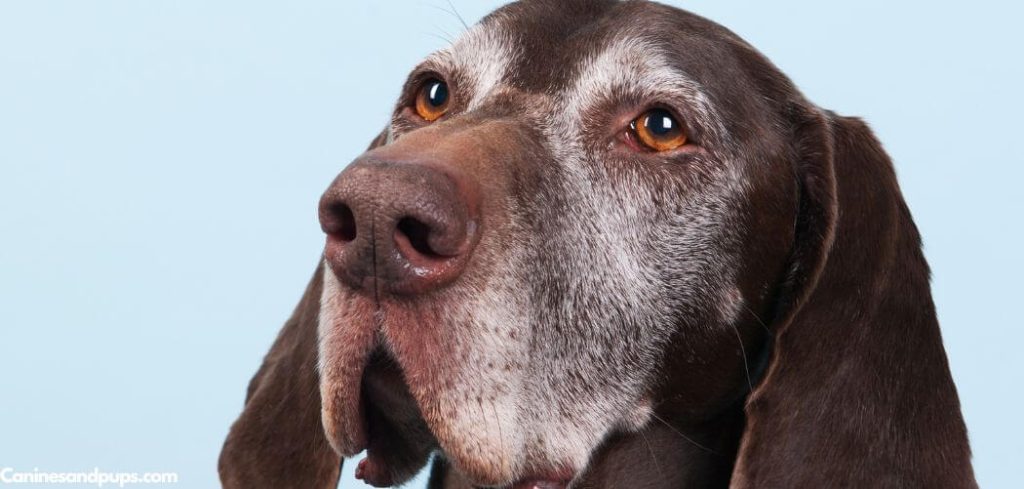
Old Dog Yelping in Pain: Symptoms
When an old dog is yelping in pain, there are usually other physical or behavioral signs that accompany the vocalization.
Sudden yelping or crying out during movement or rest
Limping or favoring a limb
Stiffness, especially after lying down
Reluctance to move, jump, or climb stairs
Hunched posture or guarding certain areas
Flinching when touched
Decreased appetite or energy levels
Changes in mood, such as irritability or withdrawal
Old Dog Yelping in Pain: Common Causes
Arthritis and Degenerative Joint Disease
Arthritis is one of the most common reasons an old dog yelps in pain. Over time, joints lose their cushioning, leading to inflammation and discomfort.
This pain is often worse after rest or during movement, which is why dogs may yelp when getting up, lying down, or shifting positions.
Even simple daily activities can become painful, and the discomfort may build gradually until it results in sudden vocalization.
Read more: Old Dog Yelps When Barely Touched (What it could mean)
Spinal Problems and Nerve Compression
Conditions affecting the spine, such as disc degeneration or nerve compression, can cause sharp, sudden pain.
This type of pain can occur with movement or even minor adjustments in posture, making it unpredictable.
Dogs with spinal issues may yelp unexpectedly and may also show signs like stiffness, difficulty walking, or sensitivity along the back.
Muscle Strain or Injury
Older dogs are more prone to injuries, even from routine activities like jumping off furniture or slipping on floors.
A strained muscle or ligament can cause localized pain that becomes apparent when the area is used or touched.
Yelping may occur when the injured area is moved, stretched, or placed under pressure.
Dental Pain
Pain in the mouth is often overlooked but can be a significant source of discomfort in older dogs.
Dental disease, broken teeth, or infections can cause sharp pain, especially when eating or when the mouth is touched.
Dogs with dental pain may yelp while chewing or avoid food altogether, making it an important cause to consider.
Internal Pain or Illness
Pain from internal organs can also lead to yelping, especially if it occurs suddenly or in waves.
Conditions affecting the abdomen, such as gastrointestinal issues or organ disease, can cause discomfort that isn’t visible externally.
Because this type of pain is harder to detect, yelping may be one of the first noticeable signs that something is wrong.
Nerve Pain
Nerve pain can cause exaggerated responses to movement or touch. This type of pain is often sharp and sudden, which is why dogs may yelp unexpectedly.
It can be associated with spinal issues or age-related nerve degeneration and may occur even without obvious triggers.
Chronic Conditions
Chronic illnesses, such as endocrine disorders or degenerative diseases, can contribute to ongoing discomfort.
As the body becomes less efficient with age, even mild issues can lead to noticeable pain.
Yelping may occur intermittently as the dog experiences fluctuations in comfort levels throughout the day.
Read more: Old Dog Yelping at Night (Why it happens)
Old Dog Yelping in Pain: What to Do
If your old dog is yelping in pain, the most important step is to reduce any activity or handling that could worsen the discomfort. Allow your dog to rest in a quiet, comfortable space where they feel safe.
Observe your dog closely to identify patterns, such as when the yelping occurs or what movements trigger it. This information can be very helpful when discussing the issue with your veterinarian.
Provide a supportive environment by using a soft, orthopedic bed and minimizing the need for jumping or climbing. Keeping your dog warm can also help reduce stiffness and improve comfort.
Handle your dog gently and avoid putting pressure on sensitive areas. If lifting is necessary, support the entire body to reduce strain.
Maintain a calm and consistent routine to reduce stress, which can sometimes amplify the perception of pain in older dogs.
When to Call or Visit Your Vet
If your old dog is yelping in pain, a veterinary visit is strongly recommended, especially if the behavior is new or worsening.
Seek immediate care if the yelping is severe, continuous, or accompanied by difficulty moving, weakness, or collapse.
If your dog shows signs of spinal issues, such as loss of coordination or inability to stand, this requires urgent attention.
Vomiting, loss of appetite, or changes in bathroom habits alongside pain should also be evaluated promptly.
Even mild but persistent pain should not be ignored, as early treatment can significantly improve your dog’s quality of life.
Old Dog Yelping in Pain: Treatment
Veterinary treatment for an old dog yelping in pain focuses on identifying and managing the underlying cause.
For arthritis, treatment typically includes anti-inflammatory medications, pain relievers, and joint supplements to reduce inflammation and improve mobility.
Spinal or nerve-related issues may require medications that target nerve pain, along with rest and supportive care.
In cases of injury, treatment may involve rest, pain management, and gradual recovery plans.
Dental problems are addressed through cleaning, extractions, or medication to relieve pain and infection.
If internal conditions are present, your vet will recommend appropriate diagnostics and treatment based on the specific issue.
Key Takeaway
An old dog yelping in pain is a clear signal that something is wrong and should always be taken seriously.
Pain in senior dogs can come from a variety of causes, many of which can be managed effectively with early intervention.
By observing your dog, providing comfort, and seeking veterinary care when needed, you can help reduce pain and improve their quality of life.
Your dog relies on you to recognize when they’re hurting—acting quickly can make all the difference in keeping them comfortable and safe.