
Hearing your old dog yelping at night can be deeply unsettling, especially when it disrupts sleep and seems to happen without a clear reason.
Nighttime vocalizations in senior dogs often signal discomfort, confusion, or distress that becomes more noticeable in the quiet hours.
Old Dog Yelping at Night: Why It Happens
An old dog yelping at night is most often caused by pain, cognitive changes, anxiety, or physical needs that become more pronounced when the environment is quiet and less distracting.
At night, dogs are more aware of discomfort because there are fewer distractions, making issues like arthritis pain, nerve sensitivity, or internal discomfort feel more intense. In addition, age-related cognitive decline can lead to confusion or fear during nighttime hours.
Some dogs may also yelp due to anxiety, the need to go outside, or difficulty getting comfortable, all of which tend to surface more when they are trying to rest.
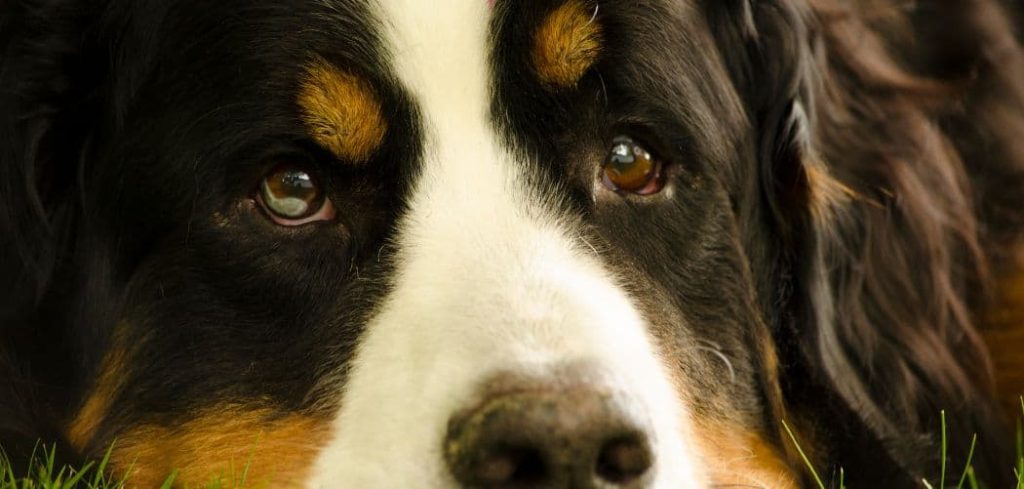
Old Dog Yelping at Night: Symptoms
When an old dog yelps at night, there are usually additional signs that can help identify the underlying cause.
Sudden yelping or crying out during the night
Restlessness or frequent repositioning while lying down
Pacing or wandering during nighttime hours
Difficulty settling or staying asleep
Stiffness or reluctance to move after resting
Disorientation, staring, or getting stuck in corners
Increased clinginess or seeking reassurance at night
Changes in bathroom habits or nighttime accidents
Old Dog Yelping at Night: Common Causes
Arthritis and Joint Pain
Arthritis is one of the leading causes of nighttime yelping in older dogs. As joints become inflamed and stiff, lying down for long periods can increase discomfort.
During the night, when your dog shifts position or tries to get up, the pressure on painful joints can trigger a sudden yelp.
Cold temperatures and inactivity can also worsen stiffness, making nighttime particularly challenging. Dogs with arthritis often struggle to find a comfortable sleeping position, which leads to repeated disturbances and vocalization.
Read more: Old Dog Whining at Night (What it really means)
Nerve Pain or Spinal Issues
Spinal problems, such as disc degeneration or nerve compression, can cause sharp, sudden pain that occurs even when your dog is resting.
This type of pain is often unpredictable and may cause your dog to yelp out of nowhere during the night.
You might also notice signs like reluctance to jump, stiffness, or sensitivity along the back. Nerve pain can intensify when your dog changes position, making nighttime movement particularly uncomfortable.
Canine Cognitive Dysfunction (Dog Dementia)
Cognitive decline is a very common reason for nighttime yelping in senior dogs. Dogs with this condition often experience confusion, especially in low-light or quiet environments.
At night, they may feel disoriented or anxious, leading to sudden vocalizations.
These dogs may also pace, wander, or appear lost in familiar surroundings. Their sleep-wake cycle is often disrupted, causing them to be more active and vocal during nighttime hours.
Anxiety and Nighttime Fear
Older dogs can develop increased anxiety as their senses decline and their environment feels less predictable.
At night, when it’s dark and quiet, this anxiety can become more pronounced. Dogs may feel isolated or unsure, leading to yelping as a way to seek reassurance.
This type of yelping is often accompanied by restlessness, pacing, or attempts to find you. Even dogs that were previously independent may become more dependent as they age.
Cold Sensitivity
Older dogs often have reduced circulation and thinner muscle mass, making them more sensitive to cold. At night, body temperature drops, joints stiffen, and circulation slows.
Cold, stiff joints or muscles may cause sudden pain when the dog moves, leading to yelping. This is more common in dogs sleeping on hard surfaces or in cooler rooms.
Need to Urinate or Increased Thirst
Senior dogs often need to go outside more frequently due to reduced bladder control or underlying health conditions.
If your dog wakes up needing to urinate and cannot communicate it effectively, they may yelp out of frustration or discomfort.
Conditions like kidney disease or diabetes can also increase thirst and urination, making nighttime needs more frequent and urgent.
Internal Discomfort or Illness
Internal pain or discomfort can become more noticeable at night when your dog is at rest. Gastrointestinal issues, organ-related problems, or general illness can all contribute to nighttime distress.
Because these issues are not always visible, yelping may be one of the first signs that something is wrong.
You may also notice subtle changes in appetite, energy levels, or behavior during the day.
Muscle Cramps
Older dogs are more prone to muscle tightness and strain. During sleep, muscles cool and tighten. When the dog suddenly moves or stretches, a cramped or strained muscle can produce a sharp pain response.
This type of yelping often happens during stretching or repositioning and may be followed by restlessness or hesitation to move again.
While muscle pain may sound less serious, it can signal underlying mobility issues or imbalance that deserve attention.
Read more: Old Dog Yelping for No Reason (Causes you should know)
Old Dog Yelping at Night: What to Do
If your old dog is yelping at night, start by ensuring their basic needs are met before bedtime. A late-night bathroom break, access to fresh water, and a comfortable sleeping area can reduce many common triggers.
Improving your dog’s sleeping environment can make a significant difference. Use a supportive orthopedic bed, keep the area warm, and consider placing their bed in a quiet but familiar location where they feel secure.
If your dog seems anxious or confused, leaving a dim light on can help them navigate their surroundings more easily. Familiar scents, such as your clothing or favorite blankets, can also provide comfort.
Try to maintain a consistent routine, as predictability helps reduce stress in older dogs. Feeding, walks, and bedtime should happen at similar times each day.
Observe your dog’s behavior closely to identify patterns. Noting when the yelping occurs and what your dog does before or after can help you better understand the cause.
When to Call or Visit Your Vet
If your old dog yelps at night and the behavior is new, frequent, or worsening, a veterinary visit is important.
Seek immediate attention if the yelping is intense, repeated, or accompanied by difficulty walking, weakness, or signs of severe pain.
If your dog shows confusion, disorientation, or changes in personality, this may indicate cognitive dysfunction that requires evaluation.
Nighttime yelping combined with vomiting, loss of appetite, or changes in urination should also be checked.
Even if the symptoms seem mild, persistent nighttime vocalization is often a sign of an underlying issue that should not be ignored.
Related: Old dog seizures at night (Why it happens)
Old Dog Yelping at Night: Treatment
Veterinary treatment for an old dog yelping at night will depend on identifying the underlying cause.
If arthritis or joint pain is diagnosed, your vet may prescribe anti-inflammatory medications, pain relievers, or joint supplements to improve comfort.
For nerve-related issues, treatment may include medications that target nerve pain and reduce inflammation in the spine.
Dogs with cognitive dysfunction may benefit from medications, dietary changes, and environmental adjustments that support brain health and reduce confusion.
If anxiety is a factor, calming medications or supplements may be recommended to help your dog feel more secure at night.
In cases of underlying illness, treatment will focus on managing the condition and relieving associated discomfort.
Key Takeaway
An old dog yelping at night is rarely without cause and often signals discomfort, confusion, or unmet needs that require attention.
While some causes are manageable at home, others may need veterinary care to ensure your dog remains comfortable and healthy.
By improving your dog’s environment, maintaining a consistent routine, and monitoring for additional symptoms, you can help reduce nighttime distress.
If the yelping continues or worsens, seeking professional guidance is the best way to support your dog’s well-being and give you peace of mind.