
An old dog yeast infection can be frustrating to deal with, especially when symptoms like itching, odor, and skin irritation keep returning.
While yeast is naturally present on a dog’s skin, an overgrowth in senior dogs often signals an underlying imbalance that needs attention.
Table of Contents
Old Dog Yeast Infection: Why It Happens
An old dog yeast infection usually develops when the natural balance of bacteria and yeast on the skin is disrupted, often due to allergies, weakened immunity, or underlying health conditions.
As dogs age, their immune system may not regulate microorganisms as effectively, allowing yeast to overgrow.
Factors such as moisture, skin irritation, hormonal imbalances, or chronic conditions can create the perfect environment for yeast to thrive.
In many cases, yeast infections are not isolated problems but a symptom of a deeper issue affecting your dog’s overall health.
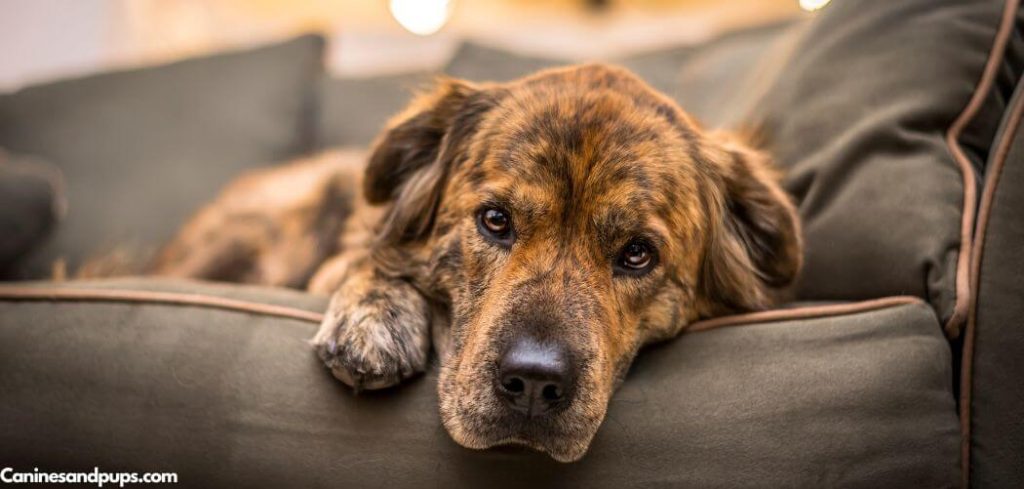
Old Dog Yeast Infection: Symptoms
When an old dog has a yeast infection, the signs are often quite noticeable and may affect the skin, ears, or paws.
Persistent itching or scratching
Red, inflamed, or irritated skin
Greasy or oily coat
Strong, musty or “yeasty” odor
Darkened or thickened skin over time
Hair loss in affected areas
Ear infections with discharge or odor
Licking or chewing paws excessively
Old Dog Yeast Infection: Common Causes
Allergies
Allergies are one of the most common triggers of yeast infections in older dogs. When a dog has an allergic reaction—whether to food ingredients, pollen, dust, or other environmental factors—the skin becomes inflamed and compromised.
This inflammation weakens the skin’s natural barrier, making it easier for yeast to grow unchecked.
In senior dogs, allergies can develop later in life or worsen over time, leading to recurring yeast infections. You may notice patterns such as flare-ups during certain seasons or after eating specific foods.
Read more: Old Dog Itching and Scratching (What’s causing it?)
Weakened Immune System
As dogs age, their immune system often becomes less efficient at controlling the balance of microorganisms on the body.
This reduced immune response allows yeast, which is normally harmless in small amounts, to multiply and cause infection.
Older dogs with chronic illnesses or general age-related decline are especially prone to this issue, and infections may take longer to resolve or recur more frequently.
Hormonal Imbalances
Hormonal disorders such as hypothyroidism or Cushing’s disease can significantly affect skin health.
These conditions alter the skin’s environment, making it more susceptible to yeast overgrowth.
Hormonal imbalances can also lead to changes in coat quality, skin thickness, and oil production, all of which contribute to the development of infections. In older dogs, these conditions are more common and often go hand in hand with recurring skin issues.
Moisture and Poor Skin Ventilation
Yeast thrives in warm, moist environments, which is why infections often occur in areas like the ears, skin folds, and between the toes.
If your dog’s skin stays damp—whether from bathing, humidity, or licking—it creates the perfect conditions for yeast to grow.
Senior dogs may be less active or groom themselves differently, allowing moisture to linger longer than it should. This increases the risk of infection, particularly in hidden or less ventilated areas.
Chronic Skin Irritation or Damage
Any condition that damages the skin barrier can lead to yeast overgrowth. This includes frequent scratching, biting, or underlying skin conditions.
Once the skin is irritated, it becomes more vulnerable to infection, and yeast can quickly multiply.
In older dogs, chronic irritation may be linked to long-standing allergies, parasites, or untreated skin issues that gradually worsen over time.
Antibiotic Use
While antibiotics are essential for treating bacterial infections, they can sometimes disrupt the natural balance of microorganisms on the skin.
By reducing beneficial bacteria, antibiotics can create an opportunity for yeast to overgrow.
Older dogs that require frequent or prolonged antibiotic treatment may be more prone to developing secondary yeast infections as a result.
Diet and Gut Health
A dog’s diet plays a significant role in overall health, including skin condition and immune function.
Poor-quality diets or food sensitivities can contribute to inflammation and imbalance in the body, which may promote yeast growth.
Gut health is closely linked to skin health, and in older dogs, digestive efficiency may decline, further contributing to imbalances that lead to infection.
Read more: Old Dog Smells Really Bad (What’s behind it?)
When to Call or Visit Your Vet
If your old dog’s yeast infection is persistent, worsening, or keeps coming back, it’s important to consult your veterinarian.
Seek veterinary care if the skin becomes severely inflamed, painful, or begins to ooze or develop sores.
If your dog shows signs of a deeper issue, such as lethargy, weight changes, or hair loss, this may indicate an underlying condition that needs to be addressed.
Ear infections, especially those with strong odor or discharge, should also be evaluated Immediately.
Because yeast infections in older dogs are often linked to underlying problems, professional diagnosis is key to long-term resolution.
Old Dog Yeast Infection: Treatment
Veterinary treatment for an old dog yeast infection focuses on both eliminating the infection and addressing the underlying cause.
Antifungal medications, either topical or oral, are commonly prescribed to reduce yeast overgrowth.
If allergies are identified, your vet may recommend dietary changes, medications, or allergy management strategies to control flare-ups.
Hormonal conditions require specific treatments to restore balance and improve skin health.
In cases where infections are severe or recurrent, diagnostic tests may be needed to determine the exact cause and guide treatment.
Your veterinarian may also recommend long-term management strategies to prevent future infections and keep your dog comfortable.
What to Do If Your Old Dog Has a Yeast Infection
If your old dog has a yeast infection, start by keeping the affected areas clean and dry. Regularly checking and gently cleaning areas like ears, paws, and skin folds can help reduce moisture and prevent further growth.
Using vet-approved antifungal shampoos or wipes can help manage mild infections at home. However, consistency is key, and treatments should be used as directed to be effective.
Pay attention to your dog’s diet and consider whether recent changes or certain ingredients may be contributing to the problem. In some cases, switching to a more suitable diet can make a noticeable difference.
Try to minimize scratching and licking, as these behaviors can worsen irritation and spread the infection. Keeping nails trimmed and using protective measures if needed can help.
Maintain a consistent grooming routine and ensure your dog is thoroughly dried after baths or exposure to water. Even small amounts of lingering moisture can encourage yeast growth.
Key Takeaway
An old dog yeast infection is often more than just a skin issue—it’s usually a sign of an underlying imbalance that needs attention.
While mild cases can sometimes be managed at home, recurring or severe infections require veterinary care to fully resolve.
By maintaining good hygiene, supporting your dog’s overall health, and addressing underlying causes, you can help prevent future flare-ups.
With the right care and attention, your dog can stay comfortable, healthy, and free from the irritation of recurring yeast infections.