
If your old dog is suddenly walking like they’re drunk—stumbling, swaying, or losing balance—it can be alarming to witness.
This kind of unsteady movement is not normal aging and often points to an underlying issue affecting the brain, nerves, or inner ear.
Old Dog Walking Like Drunk: Why It Happens
When an old dog is walking like drunk, it is usually due to problems affecting balance, coordination, or nerve function, often involving the inner ear, brain, or spinal system. This movement happens because the body’s balance system is not working properly, causing unsteady and unpredictable movement.
These systems work together to control movement and stability, and when one is disrupted, your dog may appear wobbly, disoriented, or unable to walk normally. In many cases, the change is sudden and noticeable.
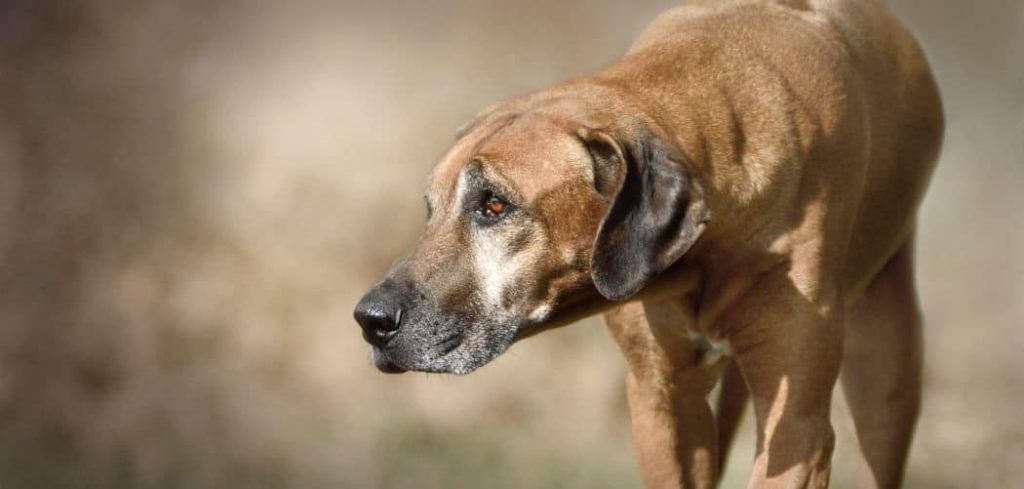
Old Dog Walking Like Drunk: Symptoms
If your old dog is walking like drunk, you may notice:
Swaying or wobbling when walking
Stumbling or falling over
Head tilt to one side
Walking in circles
Difficulty standing or getting up
Rapid eye movements (nystagmus)
Nausea or vomiting
Disorientation or confusion
Old Dog Walking Like Drunk: Common Causes
Vestibular Disease
Vestibular disease is one of the most common reasons an old dog suddenly starts walking like drunk, and it affects the system responsible for balance and spatial orientation.
This system includes structures in the inner ear and brain that tell your dog where their body is in space. When it becomes disrupted, your dog may feel like the world is spinning, similar to severe vertigo in humans.
This leads to dramatic symptoms such as head tilting, falling, circling, and uncoordinated walking.
In older dogs, this is often referred to as “old dog vestibular syndrome,” and it can appear suddenly, sometimes overnight. While it looks severe, many cases improve significantly within days to weeks with supportive care.
Related: Old Dog Vestibular Disease (Signs, causes and treatment)
Neurological Conditions
Problems affecting the brain or nervous system can interfere with coordination and movement.
Conditions such as brain inflammation, tumors, or degenerative neurological diseases can disrupt how signals are sent between the brain and body. This can result in uneven movement, weakness, or a “drunk” walking pattern.
Unlike vestibular disease, neurological issues may develop more gradually or be accompanied by other changes like altered behavior, seizures, or worsening coordination over time. These conditions often require more in-depth evaluation.
Read more: Old Dog Neurological Problems (Signs to watch out for)
Spinal Problems and Nerve Compression
Issues in the spine, such as disc degeneration or nerve compression, can affect how signals travel to and from the legs.
When the spinal cord is compromised, your dog may lose proper control of their limbs, leading to wobbling, dragging, or crossing of the legs. This can sometimes look like drunken walking, especially in the back end.
Older dogs are particularly prone to these changes due to wear and tear on the spine over time. The condition may start subtly but can progress if left untreated.
Inner Ear Infection
Infections in the inner ear can directly impact the vestibular system, leading to balance problems.
Bacteria or yeast infections can travel deep into the ear canal and affect the structures responsible for maintaining equilibrium.
This can cause symptoms very similar to vestibular disease, including head tilt, loss of balance, and disorientation.
Unlike idiopathic vestibular syndrome, ear infections may also include signs like ear discharge, odor, or sensitivity around the ear.
Toxicity or Medication Effects
Certain toxins or medications can affect the nervous system and lead to coordination problems.
Exposure to harmful substances or reactions to medications can interfere with brain function, causing unsteady movement, confusion, or lethargy.
This cause is especially important to consider if symptoms appear suddenly after exposure to something new or if your dog is on medication.
Old Dog Walking Like Drunk: What to Do
If your old dog is walking like drunk, the first priority is safety. Prevent falls by keeping your dog in a confined, comfortable area with non-slip surfaces.
Help your dog move around if needed, but avoid forcing them to walk if they are unstable. Gentle support can prevent injury.
Keep your dog hydrated and monitor their ability to eat and drink, as balance issues can make these tasks difficult.
Reduce environmental stress by keeping the space quiet and predictable, especially if your dog seems disoriented.
Even if symptoms seem mild, it’s important to contact your veterinarian quickly to determine the cause.
When to Call or Visit Your Vet
If your old dog is walking like drunk, this should be treated as urgent.
Sudden onset of symptoms—especially with head tilt, vomiting, or falling—requires immediate veterinary attention.
If your dog cannot stand, is worsening quickly, or seems severely disoriented, seek emergency care.
Signs like seizures, extreme lethargy, or inability to eat or drink are also serious and should not be delayed.
Even milder cases should be evaluated promptly to rule out infections, neurological conditions, or other underlying issues.
Read more: Old Dog Tilting Head to One Side Suddenly (What it could mean)
Old Dog Walking Like Drunk: Treatment
Your veterinarian will perform a thorough physical and neurological exam to determine the cause of your dog’s symptoms.
Diagnostic tests may include blood work, ear examination, imaging, or neurological assessments.
Treatment depends on the underlying cause. Vestibular disease often requires supportive care, while infections may need medication such as antibiotics.
Neurological or spinal issues may require more advanced diagnostics and long-term management.
Your vet’s goal will be to stabilize your dog, reduce symptoms, and address the root problem.
Key Takeaway
An old dog walking like they are drunk is not a normal part of aging and should always be taken seriously.
While some causes, like vestibular disease, can improve with time, others require prompt treatment to prevent worsening.
Acting quickly, ensuring your dog’s safety, and seeking veterinary care can make a significant difference in your dog’s recovery and comfort.