
Seeing your senior dog suddenly lose balance, tilt their head, or appear dizzy can be alarming—especially when it seems to come out of nowhere.
Old dog vertigo is not a condition itself but a symptom of something affecting your dog’s balance system, and it often signals an underlying issue that needs attention.
What Is Vertigo in Old Dogs?
Vertigo is the sensation of spinning or movement when the body is actually still. In dogs, this happens when the vestibular system—the system that controls balance, head position, and spatial awareness—malfunctions.
The vestibular system includes:
The inner ear
Nerves connecting the ear to the brain
Balance centers within the brain
When any part of this system is disrupted, your dog loses their sense of orientation. To them, it feels like the world is tilting, spinning, or flipping—causing panic, nausea, and severe imbalance.
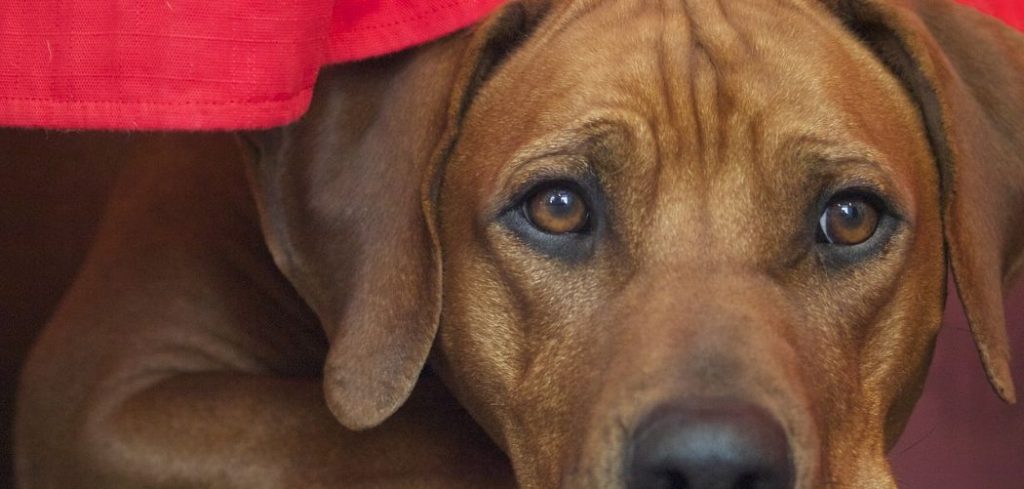
Old Dog Vertigo: Why It Happens
Old dog vertigo usually happens when there is a disruption in the balance system, either in the inner ear or the brain, causing your dog to feel disoriented and unsteady.
As dogs age, they become more prone to conditions that affect coordination, such as vestibular disease, ear infections, or neurological disorders.
Vertigo can appear suddenly and make even simple movements feel overwhelming for your dog. In many cases, the sensation is similar to dizziness or spinning, which explains the dramatic symptoms like falling or head tilting.
Old dog vertigo happens because the body’s ability to sense position and movement is compromised, making it difficult for your dog to stay upright and oriented.
Old Dog Vertigo: Symptoms
When an old dog has vertigo, the symptoms are often sudden and very noticeable.
Head tilt (often to one side)
Loss of balance or falling over
Walking in circles or stumbling
Rapid eye movements (nystagmus)
Disorientation or confusion
Nausea or vomiting
Reluctance or inability to stand
Leaning to one side
Old Dog Vertigo: Common Causes
Idiopathic Vestibular Disease
Idiopathic vestibular disease is the most common cause of vertigo in older dogs. It affects the vestibular system, which is responsible for maintaining balance and spatial orientation. In this condition, the system suddenly stops functioning properly, leading to a sensation of spinning or dizziness.
Dogs may appear completely normal one moment and then suddenly become unsteady, unable to walk straight, or even unable to stand.
The experience can be very distressing for the dog, as the world feels like it is moving around them.
Despite how severe it looks, many dogs begin to improve within a few days, although a head tilt may remain.
Read more: Old Dog Vestibular Disease (Signs, causes and treatment)
Inner Ear Infections
The inner ear plays a crucial role in balance, so infections in this area can directly cause vertigo.
When bacteria or inflammation affect the inner ear structures, it disrupts the signals sent to the brain about body position.
This confusion leads to symptoms like tilting, stumbling, and disorientation.
Unlike idiopathic vestibular disease, ear infections often come with additional signs such as ear scratching, discharge, or sensitivity.
If untreated, the infection can worsen and cause long-term damage to the balance system.
Stroke
A stroke can also cause vertigo-like symptoms in an old dog. When blood flow to part of the brain is interrupted, it affects the areas responsible for coordination and balance.
This can lead to sudden disorientation, weakness, and difficulty standing.
Unlike vestibular disease, strokes often involve other neurological signs, such as weakness on one side or reduced responsiveness.
Recovery depends on the severity of the damage and the area of the brain affected.
Brain Tumors
Tumors or degenerative brain conditions can interfere with the balance centers in the brain.
As pressure builds or nerve function declines, dogs may begin to show signs of vertigo.
These cases often develop more gradually compared to sudden vestibular episodes. You might notice subtle changes at first, such as slight unsteadiness or behavioral differences, before more obvious symptoms appear.
Progression over time is a key indicator of a deeper neurological issue.
Toxicity or Medication Reactions
Exposure to toxins or reactions to certain medications can affect the nervous system and cause vertigo. These substances can interfere with brain signals or disrupt normal balance function.
Dogs may appear dizzy, weak, or disoriented, sometimes alongside other symptoms like tremors or lethargy.
This type of vertigo can come on quickly and may worsen if the underlying cause is not addressed. Identifying recent changes in environment or medication can be crucial in these cases.
Metabolic Conditions
Certain internal health conditions can indirectly cause vertigo. Issues such as low blood sugar, electrolyte imbalances, or organ dysfunction can affect brain function and coordination.
When the body is not functioning properly, the brain may struggle to maintain normal balance and awareness.
These cases often include additional signs such as weakness, appetite changes, or unusual behavior. The vertigo is a symptom of a broader systemic issue.
Read more: Old dog having seizures (Causes and treatment)
Old Dog Vertigo: What to Do
If your old dog has vertigo, your first priority is to keep them safe and calm.
Place your dog in a quiet, padded area where they cannot fall or injure themselves. Limit movement and avoid encouraging walking if they are unsteady.
Help them stay comfortable by gently supporting their body if needed, especially when repositioning.
Keep lighting soft and reduce noise, as overstimulation can worsen disorientation. Offer water and small amounts of food if they are willing, but don’t force it if nausea is present.
When to Call or Visit Your Vet
Sudden onset of vertigo should always be evaluated by a veterinarian.
If your dog cannot stand, is continuously falling, or appears severely disoriented, seek immediate care.
Signs such as vomiting, seizures, or extreme lethargy require urgent attention.
If symptoms do not improve within 24–48 hours, further investigation is needed.
Gradual worsening or additional neurological signs may indicate a more serious condition.
Old Dog Vertigo: Treatment
Veterinary treatment for vertigo in an old dog depends on the underlying cause. For vestibular disease, treatment is often supportive and may include anti-nausea medication and rest while the condition improves.
If an ear infection is present, antibiotics or anti-inflammatory medications are typically prescribed.
In cases involving stroke or neurological disease, treatment focuses on stabilization and managing the underlying condition.
Diagnostic tests such as blood work or imaging may be necessary to determine the exact cause.
Ongoing care may include medications, supportive therapy, and monitoring for changes.
Key Takeaway
Old dog vertigo can look frightening, but it is often a symptom of an underlying issue rather than a condition on its own.
While some causes, like vestibular disease, can improve quickly, others may require more intensive treatment and monitoring.
The most important step is to act quickly, ensure your dog’s safety, and seek veterinary guidance to determine the cause.
With proper care and attention, many dogs recover well and regain their balance and comfort.