
Watching your senior dog pace, get up, lie down, and repeat this cycle all night can be both exhausting and worrying.
When an old dog is up and down all night, it often signals discomfort, confusion, or an underlying health issue that is disrupting their ability to rest.
Table of Contents
Old Dog Up and Down All Night: Why It Happens
When an old dog is up and down all night, it is usually due to discomfort, cognitive changes, or physical conditions that prevent them from settling and staying asleep.
Aging affects sleep cycles, pain tolerance, and mental clarity, which can lead to restlessness during nighttime hours.
Common causes include arthritis pain, anxiety, canine cognitive dysfunction, and the need to urinate more frequently. In many cases, it’s a combination of physical discomfort and behavioral changes rather than a single issue.
An old dog up and down all night is often trying to get comfortable, relieve discomfort, or respond to confusion or internal urges they can no longer control as easily.
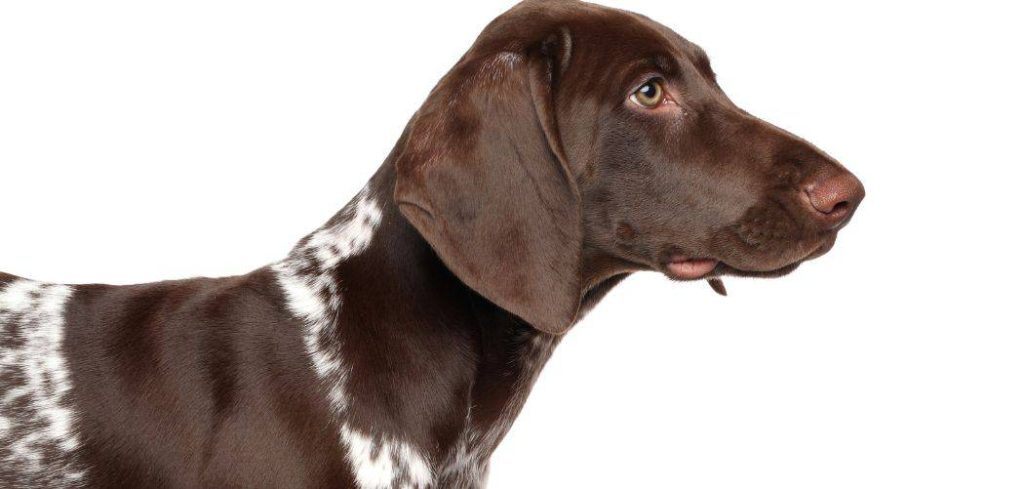
Old Dog Up and Down All Night: Symptoms
If your old dog is up and down all night, you may notice patterns that point to underlying discomfort or confusion.
Repeatedly getting up and lying down
Pacing around the house at night
Restlessness or inability to settle
Whining, barking, or vocalizing at night
Wandering aimlessly or appearing confused
Frequent attempts to go outside
Sleeping more during the day instead
Increased clinginess or nighttime anxiety
Old Dog Up and Down All Night: Common Causes
Arthritis and Joint Pain
Arthritis is one of the most common reasons an old dog is up and down all night.
As joints become inflamed and stiff, lying in one position for too long becomes uncomfortable or even painful. Your dog may lie down, feel pressure build in their joints, and then get back up in an attempt to relieve that discomfort.
This cycle can repeat throughout the night, especially on hard surfaces or in colder environments where stiffness worsens.
You may notice your dog taking longer to settle, shifting positions frequently, or struggling to get comfortable even when clearly tired. Over time, this constant discomfort can significantly disrupt sleep quality.
Related: Old dog hip dysplasia (Signs, causes and treatment)
Canine Cognitive Dysfunction (Dog Dementia)
Cognitive dysfunction is a major cause of nighttime restlessness in senior dogs. As the brain ages, dogs can experience confusion, memory loss, and changes in their internal clock. This often leads to a reversal of sleep patterns—sleeping more during the day and being awake and restless at night.
Dogs may wander aimlessly, appear disoriented, or fail to recognize familiar surroundings during nighttime hours.
This isn’t just “old age behavior”—it’s a neurological condition that affects awareness and routine. You may notice that your dog seems unsettled at night without a clear physical cause.
Read more: Old Dog Syndrome (Understanding the causes)
Increased Need to Urinate
Older dogs often develop conditions that increase urination, such as kidney disease, diabetes, or urinary tract issues.
When your dog feels the urge to urinate frequently, they may get up repeatedly throughout the night trying to signal that they need to go outside.
Even if they don’t successfully communicate this, the internal discomfort can still wake them and keep them restless.
You might notice your dog pacing, going to the door, or having accidents indoors.
This type of restlessness is often paired with increased water intake and more frequent daytime urination.
Anxiety and Nighttime Restlessness
As dogs age, they can become more anxious, especially at night. Reduced vision or hearing can make the environment feel unfamiliar or unsettling in the dark. Shadows, silence, or minor noises may trigger unease, causing your dog to get up and move around.
Separation anxiety can also worsen with age, leading to clingy or restless behavior when the household is quiet.
Dogs may repeatedly get up to check their surroundings or seek reassurance from you. This type of anxiety-driven movement is often subtle but persistent.
Pain or Internal Discomfort
Beyond arthritis, other sources of pain can cause an old dog to be up and down all night.
Dental pain, abdominal discomfort, or underlying illness can make it difficult for your dog to relax fully.
Unlike obvious injuries, these types of discomfort may not be immediately visible but still significantly affect sleep.
Your dog may lie down, feel discomfort, and then get back up as a response. This pattern often continues throughout the night without clear external triggers.
Poor Sleep Regulation with Age
Just like humans, dogs experience changes in sleep patterns as they age. Senior dogs tend to have lighter, more fragmented sleep and may wake up more easily.
Their ability to stay in deep sleep decreases, which can result in frequent waking and repositioning.
Even without pain or illness, this natural shift can lead to a dog being up and down throughout the night.
However, this cause is usually mild compared to others and should not be assumed without ruling out medical issues.
Digestive Discomfort or Hunger
Some older dogs develop sensitive stomachs or irregular digestion. If your dog feels hungry, nauseous, or uncomfortable after eating, it may prevent them from settling at night.
This can lead to pacing, repositioning, or getting up frequently. Dogs on certain medications or feeding schedules may also experience nighttime hunger or discomfort.
You may notice restlessness paired with lip licking, swallowing, or mild agitation.
Old Dog Up and Down All Night: What to Do
If your old dog is up and down all night, start by creating a comfortable and supportive sleeping environment.
Provide a soft orthopedic bed that reduces pressure on joints and helps your dog stay comfortable longer.
Try to establish a consistent nighttime routine, including a final bathroom break before bed to reduce nighttime disruptions.
Keep the sleeping area quiet, dim, and familiar, and consider using a night light if your dog seems disoriented in the dark.
If anxiety seems to be a factor, staying nearby or offering reassurance can help your dog feel more secure.
You can also monitor patterns—such as when your dog wakes up or what triggers the movement—to better understand the cause.
When to Call or Visit Your Vet
If your dog’s nighttime restlessness is sudden or worsening, it’s important to consult your vet.
Signs of pain, whining, or visible discomfort should be evaluated immediately.
If your dog shows confusion, disorientation, or significant changes in behavior, this may indicate cognitive dysfunction.
Frequent urination, accidents, or increased thirst should also be checked, as they can signal underlying medical conditions.
If your dog is not sleeping at all or appears distressed throughout the night, veterinary care is essential.
Old Dog Up and Down All Night: Treatment
Veterinary treatment depends on identifying the root cause of why your old dog is up and down all night.
Your vet may perform blood tests, urine tests, or physical exams to rule out conditions like kidney disease, diabetes, or infection.
Pain management is often a key part of treatment, especially if arthritis is involved.
For cognitive dysfunction, medications and supplements may help improve sleep cycles and reduce confusion.
Behavioral support, dietary changes, and environmental adjustments are often recommended alongside medical treatment.
The goal is to improve sleep quality and overall comfort for your dog.
Key Takeaway
Old dog up and down all night is a common but important sign that something is affecting your dog’s comfort, health, or mental state.
While aging plays a role, persistent nighttime restlessness is usually linked to pain, anxiety, cognitive changes, or underlying illness.
By paying attention to patterns and seeking timely veterinary advice, you can help your dog rest more comfortably and improve their quality of life.
If your dog isn’t sleeping well, it’s worth investigating—because better nights often mean better days for your senior companion.