
It can be deeply distressing to see your senior dog suddenly unable to stand, especially if they were mobile just days—or even hours—before.
When an old dog is unable to stand up, it is often a sign of a serious underlying issue involving the joints, nerves, muscles, or overall health, and it should never be ignored.
Old Dog Unable To Stand Up: Why It Happens
When an old dog is unable to stand up, it is usually due to a combination of pain, weakness, neurological dysfunction, or systemic illness that affects mobility and coordination.
Aging naturally reduces muscle strength, joint flexibility, and nerve function, making it harder for dogs to support their body weight.
Conditions like arthritis, spinal issues, injuries, or internal disease can suddenly or gradually impair the ability to stand. In some cases, it may also be linked to acute events such as stroke-like episodes or severe weakness from illness.
An old dog unable to stand up is often experiencing a breakdown in the systems responsible for movement—whether that’s joints, muscles, nerves, or energy levels—making it physically impossible or too painful to rise.
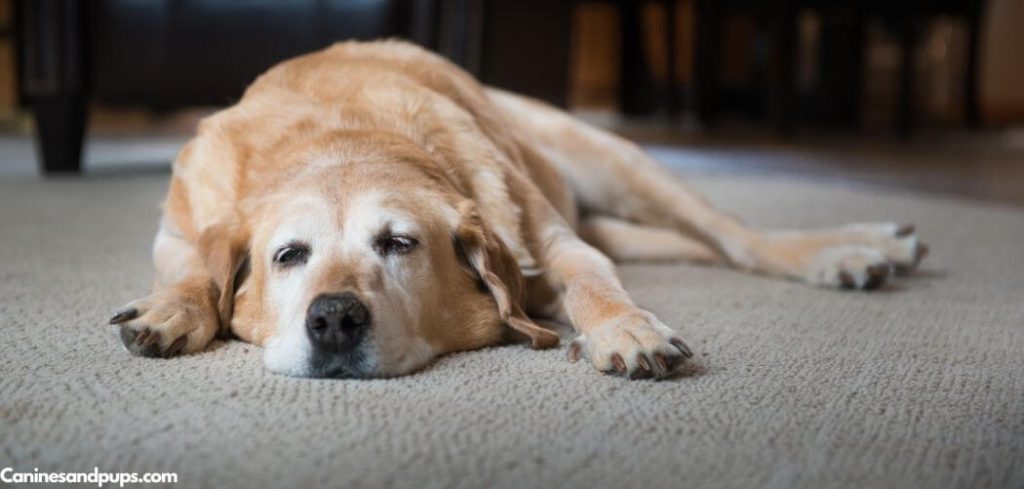
Old Dog Unable To Stand Up: Symptoms
When an old dog is unable to stand up, the signs can vary depending on the cause and severity.
Struggling or failing to rise from lying down
Weak or collapsing hind legs
Dragging legs or inability to bear weight
Crying or signs of pain when trying to stand
Unsteady or wobbly walking (if able to stand briefly)
Lethargy or reluctance to move
Loss of coordination or balance
Sudden or gradual loss of mobility
Old Dogs Being Unable to Stand: Common Causes
Severe Arthritis
Advanced arthritis is one of the most common reasons old dogs struggle to stand. Over time, cartilage wears away, joints become inflamed, and movement becomes extremely painful.
In severe cases, the pain and stiffness are so intense that the dog physically cannot push themselves upright.
The muscles tense in anticipation of pain, and joints may feel locked or unstable. This is especially common in the hips, knees, elbows, and spine.
Dogs with advanced arthritis often show:
Trembling when trying to stand.
Reluctance to move after rest.
Stiffness that improves slightly once moving.
Whimpering or heavy panting during attempts.
Without pain control, standing may feel impossible—even if muscle strength remains.
Muscle Weakness
As dogs age, they naturally lose muscle mass and strength, a condition known as sarcopenia. When muscle loss becomes severe, the dog may no longer have enough power to lift their body weight.
This is especially noticeable in the hind legs, which bear most of the load during standing. Weak muscles may shake, give out, or fail completely, causing repeated collapse.
Muscle weakness often worsens if:
The dog has been inactive due to illness or pain.
Nutrition is inadequate.
Neurological signals are impaired.
Once muscle loss reaches a critical point, standing without assistance may no longer be possible.
Neurological Disease
Neurological problems interfere with the signals that tell muscles how and when to move. If these signals are disrupted, a dog may want to stand—but the body simply won’t respond.
Neurological causes include:
Degenerative spinal disease.
Slipped or ruptured discs.
Nerve compression.
Strokes or brain disease.
Dogs with neurological causes may appear alert and mentally normal but physically unable to coordinate their limbs. Some dogs knuckle over, cross their legs, or collapse suddenly.
If inability to stand appears suddenly, neurological causes are especially concerning.
Read more: Old Dog Neurological Problems (Causes and treatment)
Vestibular Disease
Vestibular disease affects balance and spatial awareness. Dogs may feel like the world is spinning, making standing terrifying or impossible.
These dogs may:
Fall to one side.
Roll when trying to rise.
Refuse to stand out of fear.
Appear dizzy or disoriented.
While vestibular disease itself may improve over time, the inability to stand can be severe in the early stages.
Read more: Old Dog Vestibular Disease (Signs, causes and treatment)
Spinal Pain or Injury
Spinal pain—whether from arthritis, disc disease, or injury—can make standing unbearable. Even minor movements can trigger sharp pain, causing the dog to freeze, collapse, or cry out.
Dogs with spinal pain may:
Keep their head or back rigid.
Avoid bending or twisting.
Yelp when moved.
Tremble or pant excessively.
Pain alone can prevent standing, even if strength remains intact.
Metabolic or Systemic Illness
Serious internal illnesses can cause profound weakness. Conditions such as kidney failure, liver disease, electrolyte imbalances, or anemia can leave a dog too weak to stand.
In these cases, inability to stand is often accompanied by:
Lethargy
Appetite loss
Vomiting or diarrhea
Pale gums
Rapid breathing
This type of weakness can progress quickly and requires urgent evaluation.
Injury
Falls, slips on smooth floors, or even awkward movements can injure aging joints, ligaments, or muscles. Senior dogs are more fragile, and recovery takes longer.
An injury may not always be obvious—but sudden inability to stand should always raise concern for trauma.
Old Dog Unable To Stand Up: What to Do
If your old dog is unable to stand up, the first priority is to keep them safe and comfortable.
Place them on a soft, supportive surface and help reposition them gently to prevent pressure sores.
Assist with mobility using a towel or support harness under the abdomen if they are able to bear some weight.
Ensure they have easy access to water and keep them clean and dry, especially if they are unable to move independently.
Limit movement to avoid further injury, and monitor closely for any changes in behavior or symptoms.
When to Call or Visit Your Vet
If your dog suddenly becomes unable to stand, seek veterinary care immediately.
Signs of severe pain, crying, or distress require urgent attention. If the condition is accompanied by loss of bladder or bowel control, this is a serious concern.
Sudden paralysis or worsening weakness should never be delayed.
Even gradual loss of mobility should be evaluated to prevent further decline and manage underlying conditions.
Old Dog Unable To Stand Up: Treatment
Veterinary treatment for an old dog unable to stand up depends on the underlying cause.
Your vet may perform physical exams, X-rays, blood tests, or neurological assessments to determine the issue.
Treatment may include pain management, anti-inflammatory medications, or supportive therapies like physiotherapy.
In some cases, surgery may be required for spinal or structural issues.
For chronic conditions, long-term management plans may involve mobility aids, dietary adjustments, and regular monitoring.
The goal is to restore as much mobility as possible while ensuring your dog’s comfort and quality of life.
Key Takeaway
Old dog unable to stand up is a serious symptom that often indicates pain, weakness, or a deeper health issue.
While some causes develop gradually, others can appear suddenly and require immediate attention.
By acting quickly and providing supportive care, you can help your dog stay comfortable and improve their chances of recovery.
If your dog cannot stand, it’s always safest to seek veterinary guidance as soon as possible.