
Seeing your old dog throw up clear liquid or water can be concerning, especially if it starts happening repeatedly or appears without an obvious cause.
Sometimes dogs drink water too quickly and vomit shortly afterward, but repeated episodes in a senior dog can sometimes point to digestive problems, nausea, or underlying medical conditions.
Table of Contents
Old Dog Throwing Up Water: Why It Happens
An old dog throwing up water may happen because of drinking too quickly, nausea, stomach irritation, digestive disease, kidney problems, or other health conditions affecting the stomach and body systems.
Older dogs are more likely to develop chronic medical problems that can create vomiting even when food is not involved.
Looking at additional symptoms and patterns often helps determine how serious the problem may be.
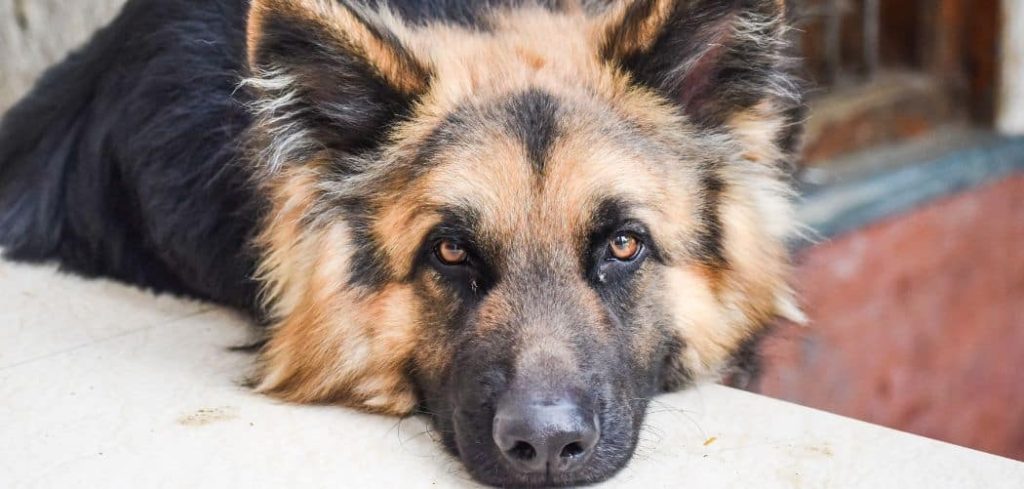
Old Dog Throwing Up Water: Symptoms
If your old dog is throwing up water, common symptoms may include:
Vomiting clear liquid
Drinking repeatedly
Lip licking
Reduced appetite
Lethargy
Nausea signs
Weight loss
Restlessness
Old Dog Throwing Up Water: Common Causes
Drinking Water Too Quickly
One of the simplest explanations is that your dog drank a large amount of water too fast.
Some dogs gulp water rapidly after exercise, hot weather, excitement, or periods without drinking. When the stomach suddenly fills with water, it may stretch quickly and trigger vomiting.
The water often comes back up shortly afterward and may appear almost unchanged because it never had enough time to mix with stomach contents. Some dogs immediately return to normal after the episode.
If this happens occasionally and your dog otherwise acts fine, drinking speed may simply be the cause.
Read more: Old dog sickness and diarrhea (Possible causes)
Nausea
Dogs do not always vomit food when they feel nauseous. Sometimes the stomach becomes irritated, and the dog drinks water in an attempt to settle discomfort.
Unfortunately, the irritated stomach may not tolerate even water well, causing it to come back up shortly afterward.
Older dogs with nausea often lick their lips, swallow repeatedly, eat grass, or appear restless.
Mild stomach irritation can happen from dietary indiscretion, digestive sensitivity, or temporary inflammation. Repeated episodes deserve closer attention.
Related: Old Dog Vomiting and Drinking Lots of Water (Why it happens)
Chronic Gastritis
Chronic gastritis refers to long-term inflammation of the stomach lining. Senior dogs sometimes develop ongoing stomach irritation that causes repeated digestive symptoms.
Inflamed stomach tissue becomes more sensitive and can react even to water intake. Some dogs vomit yellow fluid, clear liquid, or water when the stomach is empty.
You may notice symptoms coming and going over time rather than happening constantly. Appetite changes, nausea, and weight loss may also occur.
Kidney Disease
Kidney disease becomes more common as dogs age and can sometimes cause vomiting and increased thirst.
When the kidneys are not functioning normally, waste products can build up in the body and create nausea. Dogs may begin drinking more water while simultaneously becoming more prone to vomiting.
Additional changes noticed include increased urination, reduced appetite, weight loss, bad breath, or lower energy levels.
Because early kidney disease can develop gradually, vomiting water may initially seem unrelated.
Pancreatitis
Inflammation of the pancreas can create nausea and vomiting that affects even water intake.
Older dogs with pancreatitis may drink because they feel thirsty but then vomit shortly afterward because the digestive system is irritated.
Some dogs develop abdominal discomfort, appetite loss, lethargy, or diarrhea along with vomiting. Symptoms can vary from mild to severe.
Repeated digestive episodes in senior dogs should not be ignored, as the possibility of pancreatic disease.
Other Underlying Medical Conditions
Digestive symptoms can sometimes occur because of illnesses affecting other parts of the body.
Liver disease, intestinal disease, hormonal disorders, infections, and other medical problems may create nausea and vomiting. In older dogs, these conditions sometimes start with subtle signs before progressing further.
You may also notice increased drinking, appetite changes, weakness, behavior changes, or gradual weight loss.
Old Dog Throwing Up Water: What to Do
Pay attention to whether the vomiting happens immediately after drinking or later in the day. Notice how much water your dog drinks and whether drinking habits have changed recently.
Monitor your dog’s appetite, energy level, urination habits, and overall behavior because these details may help identify patterns.
Avoid allowing large amounts of water to be consumed all at once if rapid drinking appears to trigger episodes.
Watch for repeated vomiting or signs that your dog cannot keep fluids down.
When to Call or Visit Your Vet
Contact your veterinarian if vomiting continues, repeatedly returns, or happens alongside other symptoms.
Schedule an appointment if you notice:
Increased drinking
Weight loss
Appetite changes
Repeated vomiting
Reduced energy
Changes in urination
Seek immediate veterinary attention if your dog develops:
Repeated vomiting
Blood in vomit
Severe weakness
Collapse
Severe abdominal pain
Inability to keep water down
Old Dog Throwing Up Water: Treatment
The veterinarian may perform a physical examination and recommend bloodwork, urine testing, X-rays, ultrasound imaging, or additional diagnostics depending on symptoms.
Treatment depends on the underlying cause and may include fluid support, medications for nausea, dietary adjustments, digestive management, or treatment of medical conditions.
Key Takeaway
An old dog throwing up water can happen because of something relatively simple, like drinking too fast, but repeated episodes in senior dogs may also signal digestive disease or underlying medical problems.
Pay attention to patterns and any additional symptoms. If the vomiting continues or your dog seems unwell, veterinary evaluation can help identify the cause and improve comfort.


