
When an old dog suddenly becomes hyperactive — pacing nonstop, acting overly energetic, unable to settle, or behaving as if they are “wired” — it can feel confusing and worrying.
Sudden bursts of excessive energy are usually not random in senior dogs and often indicate a deeper physical or emotional shift.
We outline the common causes of sudden hyperactivity in old dogs, what you can do at home, and when to seek veterinary help.
Table of Contents
Old Dog Suddenly Hyperactive: Why It Happens
An old dog becoming suddenly hyperactive is usually experiencing pain, anxiety, cognitive dysfunction, medication side effects, hormonal imbalance, or internal discomfort that makes them restless or unusually energized.
Senior dogs rarely become hyperactive out of excitement alone. Instead, their sudden increase in movement, pacing, or agitation is normally a response to something happening inside the body or mind.
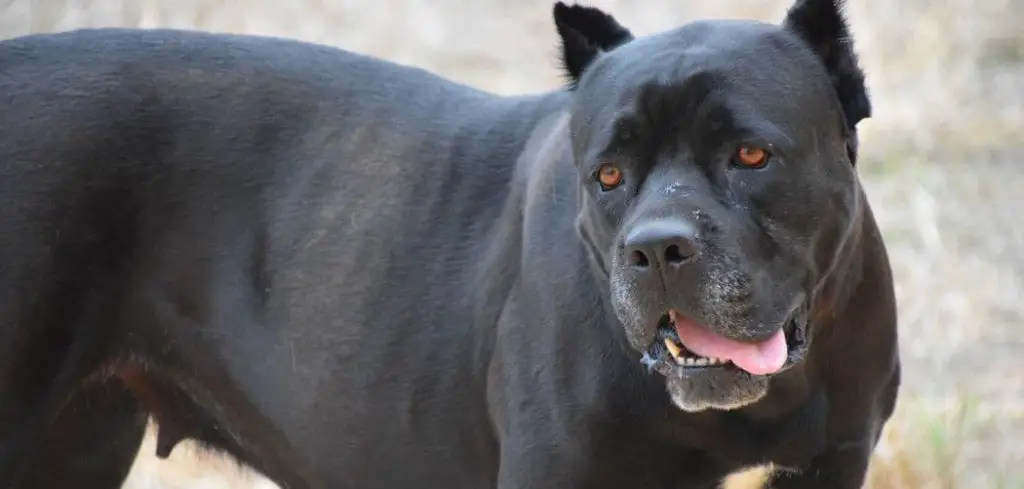
Sudden Behavior Changes in Older Dogs
Sudden behavior changes in older dogs are often a sign that something physical or mental is affecting their well-being.
Senior dogs may become more restless, clingy, confused, anxious, vocal, withdrawn, or unusually active due to pain, cognitive dysfunction, vision or hearing loss, hormonal disorders, or other age-related illnesses.
Even subtle changes in routine behavior can be important because dogs often show illness through behavioral changes before obvious physical symptoms appear.
Any sudden and unexplained change in personality or daily habits should be monitored closely.
A veterinary examination can help determine whether the behavior is related to normal aging, cognitive decline, or an underlying medical condition that requires treatment.
Read more: Old Dog Behavior Change (What shifting behaviors mean)
Old Dog Suddenly Hyperactive: Common Causes
Anxiety or Panic
Anxiety is one of the most common reasons an older dog suddenly becomes hyperactive.
As dogs age, their senses decline, their confidence may fade, and familiar situations may suddenly feel overwhelming. An anxious senior may pace from room to room, pant excessively, cling to the owner, or seem unable to relax.
Anxiety-driven hyperactivity often appears during storms, loud noises, nighttime hours, changes in routine, or when the dog feels alone.
Dogs with declining hearing or vision may become hyperactive because they cannot interpret their surroundings, causing them to move rapidly in an attempt to feel secure.
This type of hyperactivity is fueled by worry, not energy, and often continues until the dog is comforted or the trigger passes.
Read more: Old Dog Pacing Constantly (Why endless pacing happens)
Cognitive Dysfunction
Cognitive dysfunction often causes sudden bursts of hyperactivity in senior dogs. As the brain ages, it becomes harder for dogs to process environmental cues and regulate behavior.
Dogs with dementia may move constantly, pace quickly, wander aimlessly, or act energetically at unusual times — particularly at night.
Their sleep–wake cycle becomes disrupted, causing periods of hyperactivity followed by deep fatigue.
Dogs experiencing cognitive decline also become easily startled or confused, which can make them appear hyperactive as they try to navigate their environment.
This restlessness often comes with signs such as staring at walls, getting stuck behind furniture, or suddenly barking for no clear reason.
Related: Old Dog Syndrome (Signs, causes and treatment)
Pain
Pain does not always make a dog slow or lethargic — in some cases, it causes restless, hyperactive behavior.
A dog in pain may pace quickly, change positions constantly, or appear jittery because they cannot get comfortable.
Joint pain, back pain, abdominal discomfort, or nerve irritation can cause sudden bursts of movement when the dog tries to escape the sensation.
Dogs with arthritis may become hyperactive when inflammation spikes, causing frantic pacing rather than lying still.
Some dogs pant heavily, lick repeatedly, or seem unusually alert as they attempt to manage discomfort. This “wired” behavior is often one of the earliest outward signs of pain in senior dogs.
Hormonal Imbalances
Conditions such as hyperthyroidism (rare in dogs but possible), Cushing’s disease, or adrenal gland disorders can cause sudden bursts of hyperactivity in older dogs.
When hormones become unbalanced, the dog may experience periods of heightened energy, agitation, or pacing.
Dogs with Cushing’s disease often develop restless hyperactivity due to increased cortisol levels, which create internal stress and make the dog feel unable to settle.
Dogs with adrenal imbalances may appear jumpy, reactive, or eager to move constantly. Hormonal hyperactivity often appears alongside increased thirst, increased urination, panting, or changes in appetite.
Medication Side Effects
Many medications prescribed to senior dogs can cause sudden hyperactivity. Steroids such as prednisone are known for causing restlessness, agitation, panting, and bursts of energy shortly after a dose.
Pain medications, thyroid medications, and certain anxiety drugs can also create periods of unusual alertness or hyperactivity.
Older dogs metabolize medications differently, meaning a drug that once calmed them may suddenly cause stimulation.
Medication-related hyperactivity often appears within hours of taking a pill or following a recent dosage change.
You may notice their dog pacing, whining, or behaving unusually energized after taking medicine.
Internal Illness
Illnesses affecting the stomach, intestines, kidneys, heart, or liver can cause internal discomfort that makes dogs unusually restless.
A dog who feels nauseous, bloated, or unwell may move constantly in an attempt to find relief.
Conditions like pancreatitis, gas buildup, abdominal inflammation, or urinary discomfort may make a dog pace rapidly rather than lie down.
Some dogs show bursts of energy right before episodes of vomiting or diarrhea. Internal discomfort—especially when unpredictable—often leads to hyperactive pacing because the dog cannot identify how to relieve the sensation.
Sensory Decline
Senior dogs with hearing or vision loss may become suddenly hyperactive when trying to locate sounds, understand movement, or identify their surroundings.
A dog who cannot see clearly in dim lighting may pace back and forth, tail up, ears alert, appearing hyperactive while trying to orient themselves.
Hearing-impaired dogs may react strongly to vibrations or unexpected visual cues, appearing jittery or frantic.
Sensory decline creates uncertainty, which can trigger bursts of energy rooted in confusion rather than excitement.
Excitement
Finally, some older dogs may experience sudden bursts of energy after sleeping deeply for long periods.
Their muscles stiffen during rest, and once awake, they may move quickly, stretch repeatedly, or appear energetic as circulation improves.
While this is usually harmless, it tends to be short-lived and fades once the dog warms up. Continuous hyperactivity, however, usually has a medical or emotional cause rather than simple enthusiasm.
Read more: Old Dog Going in Circles (What it means)
Old Dog Suddenly Hyperactive at Night
An older dog that suddenly becomes hyperactive at night may be experiencing cognitive dysfunction syndrome, often compared to dementia in humans.
Affected dogs may pace, wander, seem confused, bark, seek attention, or appear unable to settle when everyone else is asleep.
Pain, anxiety, hearing loss, vision problems, and certain medical conditions can also contribute to nighttime restlessness.
If the behavior is new or worsening, a veterinary evaluation is recommended. Nighttime hyperactivity in senior dogs is often manageable once the underlying cause is identified and addressed.
Old Dog Behavior Before Death: Is Sudden Hyperactivity A Sign?
Sudden hyperactivity can sometimes occur in dogs approaching the end of life, but it is not considered a reliable or universal sign of impending death.
Some senior dogs experience brief periods of increased energy, restlessness, pacing, or unusual alertness before a decline, while others become progressively quieter and weaker.
These changes may be related to discomfort, confusion, hormonal fluctuations, or cognitive dysfunction rather than the dying process itself.
A better indicator of end-of-life decline is the overall pattern of symptoms. Loss of appetite, severe weakness, difficulty standing, breathing changes, confusion, and reduced interest in normal activities are generally more meaningful signs than hyperactivity alone.
Read more: Old dog behavior before death (What to expect)
What to Do If Your Old Dog Is Suddenly Hyperactive
Start by observing your dog closely to identify patterns — Does the hyperactivity happen at night? After meals? After medication? During storms?
A calm, predictable environment helps reduce overstimulation in senior dogs. Keep lighting soft, minimize loud noises, and offer reassurance with a gentle touch and soothing voice.
Provide comfortable resting areas and ensure your dog has easy access to water and frequent bathroom breaks. If pain seems possible, avoid strenuous activity and keep your dog warm.
Dogs with cognitive dysfunction often benefit from routine, enrichment, and mental support to reduce anxiety-driven energy spikes.
Because sudden hyperactivity in senior dogs is often a sign of discomfort or illness, schedule a veterinary exam to determine the underlying cause and ensure your dog receives proper care.
When to Call or Visit Your Vet
Seek veterinary care if your old dog is suddenly hyperactive and shows:
• Pacing that lasts for hours.
• Panting, shaking, or trembling.
• Confusion, anxiety, or nighttime restlessness.
• Vomiting, diarrhea, or signs of nausea.
• Rapid breathing or difficulty settling.
• Pain when moving or touching certain areas.
• Recent medication changes.
• Increased thirst or urination.
• Sudden vision or hearing decline.
• Any behavior that appears out of character or escalating.
Sudden hyperactivity in senior dogs is rarely random and should be evaluated immediately.
Old Dog Suddenly Hyperactive: Treatment
Treatment for sudden hyperactivity in a senior dog depends on the underlying cause. The veterinarian may perform a physical examination, blood tests, and other diagnostic evaluations to look for pain, cognitive dysfunction, hormonal disorders, or other medical conditions.
Managing arthritis, anxiety, or chronic illness can often reduce restlessness and improve quality of life.
For dogs with cognitive dysfunction, treatment may include prescription medications, dietary support, supplements, environmental enrichment, and maintaining a predictable daily routine.
Providing regular exercise, mental stimulation, and a calm sleeping environment can also help many senior dogs settle more comfortably, especially at night.
Key Takeaway
When an old dog suddenly becomes hyperactive, the behavior almost always reflects anxiety, pain, cognitive changes, hormonal imbalance, medication effects, or internal discomfort.
While the behavior can be confusing, it is a valuable signal that your dog needs closer attention. With timely evaluation and supportive care, most senior dogs can return to calmer, more comfortable behavior.


