
It can be surprising, and sometimes worrying, when an old dog suddenly starts acting like a puppy again.
Behaviors such as whining for attention, following you everywhere, accidents in the house, chewing, or sudden bursts of restlessness often leave owners wondering what’s really going on.
Old Dog Reverting to Puppy Behavior: Why It Happens
When an old dog starts behaving like a puppy again, it’s usually a sign of cognitive changes, emotional insecurity, or an underlying medical issue rather than true “youthful energy.”
Aging can affect the brain, senses, and hormones, causing dogs to lose learned behaviors or seek reassurance the way they did earlier in life.
Stress, discomfort, and confusion often drive these changes, especially when they appear suddenly or worsen over time.
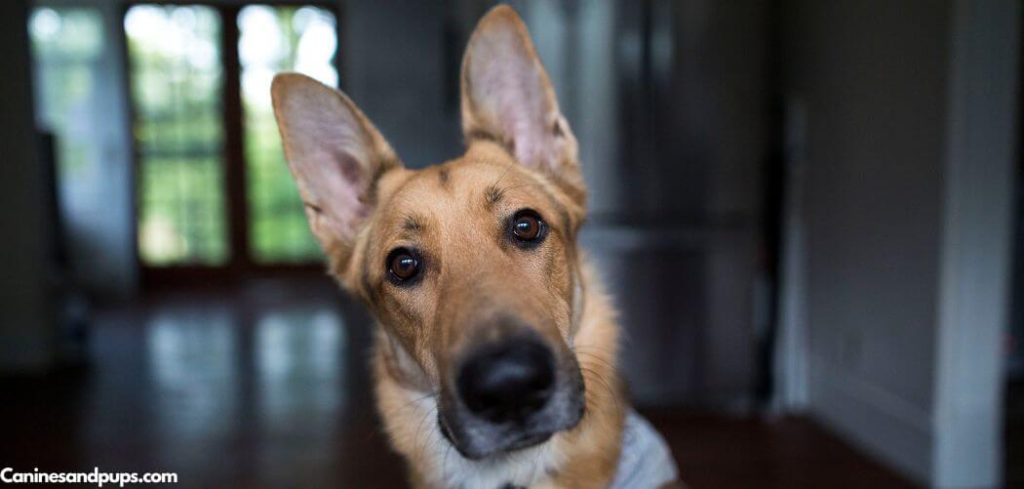
Old Dog Reverting to Puppy Behavior: Symptoms
When an older dog starts acting like a puppy again, signs include:
Increased clinginess or following you everywhere
Forgetting previously learned training (house training, commands)
Random bursts of activity or restlessness
Vocalizing more (whining, barking without clear reason)
Seeming confused or disoriented at times
Changes in sleep patterns, especially nighttime restlessness
Old Dog Reverting to Puppy Behavior: Common Causes
Cognitive Dysfunction Syndrome
Cognitive dysfunction syndrome (dog dementia) is one of the most common reasons senior dogs revert to puppy-like behaviors.
As the brain ages, dogs can experience memory loss, confusion, and difficulty processing familiar routines. This can cause them to forget house training, commands, or boundaries they’ve known for years.
Dogs with cognitive decline often seek comfort, vocalize more, appear restless at night, or act insecure—behaviors that closely resemble puppyhood rather than adulthood.
Read more: Old Dog Syndrome (Signs, causes and treatment)
Anxiety
Older dogs are more prone to anxiety than many owners realize. Changes in vision, hearing, or mobility can make the world feel unpredictable, leading dogs to seek reassurance the same way puppies do.
This can result in following you constantly, whining, or becoming distressed when left alone.
Emotional regression often intensifies after changes in routine, household members, or environment, making previously confident dogs appear needy or unsettled.
Pain or Physical Discomfort
Chronic pain can drive behavioral changes that look like regression. Arthritis, dental disease, or internal discomfort may cause dogs to act out, vocalize, or seek attention more frequently.
Puppies often rely on caregivers for comfort when they hurt, and senior dogs may return to this coping mechanism.
Pain-related regression is often subtle and accompanied by reduced mobility, stiffness, or changes in sleep patterns.
Hormonal and Metabolic Disorders
Certain medical conditions affect behavior and awareness. Diseases such as Cushing’s disease, thyroid imbalances, or diabetes can alter energy levels, appetite, and emotional regulation.
These changes may cause increased restlessness, accidents in the house, or attention-seeking behaviors.
Because hormonal shifts can progress gradually, owners may mistake medical symptoms for behavioral problems until they become more pronounced.
Vision or Hearing Loss
Losing sight or hearing can be deeply unsettling for an aging dog. When dogs can no longer rely on their senses, they may become startled easily, confused, or dependent on familiar humans for guidance.
This loss of confidence often leads to puppy-like behaviors such as staying close, whining, or hesitating in familiar spaces.
Dogs with sensory decline may also misinterpret cues, leading to inappropriate behaviors that seem like regression.
Stress
Even small changes can affect senior dogs significantly. New pets, schedule changes, home renovations, or changes in sleeping arrangements can cause older dogs to feel insecure.
In response, they may revert to earlier coping behaviors that once brought comfort and attention.
Stress-related regression often appears suddenly and may improve once stability and reassurance are restored.
Read more: Old Dog Restless at Night (What’s really happening)
What to Do
Start by maintaining a predictable daily routine. Consistent feeding times, walks, and sleep schedules help reduce confusion and anxiety.
Familiar structure reassures senior dogs and reduces the need for attention-seeking behaviors.
Provide gentle mental stimulation through short, calm activities such as sniffing games or simple training refreshers. This keeps the brain engaged without overwhelming your dog.
Make your dog’s environment as comfortable and accessible as possible. Soft bedding, non-slip flooring, and easy access to food and water can reduce stress caused by physical limitations.
Offer reassurance without reinforcing unwanted behaviors. Calm affection is helpful, but avoid rewarding whining or pacing with excessive attention.
Monitor changes closely and keep notes on new behaviors, as patterns can help your veterinarian determine whether medical or cognitive issues are involved.
When to Call or Visit Your Vet
You should contact your veterinarian if puppy-like behaviors appear suddenly or worsen quickly.
Seek veterinary advice if regression is accompanied by house soiling, confusion, disorientation, changes in appetite, or disrupted sleep.
Any behavioral change in an old dog should be evaluated to rule out pain, neurological disease, or metabolic disorders that require treatment.
Old Dog Reverting to Puppy Behavior: Treatment
Treatment focuses on identifying whether cognitive decline or another medical issue is causing the behavior. If canine cognitive dysfunction is suspected, your vet may recommend medications or supplements to support brain function and reduce confusion.
If anxiety is contributing, calming medications or behavioral strategies may be suggested.
In some cases, underlying pain or illness can also cause behavioral changes, so your vet may perform bloodwork or other diagnostics.
Maintaining a consistent routine, providing mental stimulation, and creating a calm, predictable environment are key parts of managing these changes and helping your dog feel more secure.
Key Takeaway
When an old dog starts reverting to puppy behavior, it’s rarely about “acting young again.” More often, it’s a sign that something has changed internally—whether cognitively, emotionally, or physically.
With patience, routine, and timely veterinary care, many senior dogs can regain confidence and comfort.
Paying attention early helps ensure your dog’s later years are calm, supported, and filled with the reassurance they need.