
When an old dog becomes restless and starts pacing, it’s often a sign that something isn’t right internally.
Occasional pacing can happen for harmless reasons, but persistent restlessness in senior dogs is concerning and deserves close attention.
Table of Contents
Old Dog Restless and Pacing: Why It Happens
An old dog that is restless and pacing is usually responding to discomfort, anxiety, confusion, or an underlying medical condition.
As dogs age, changes in the brain, nervous system, and internal organs can make it harder for them to settle or feel comfortable at rest.
Pain, cognitive decline, and metabolic imbalances are especially common triggers. Pacing is often a coping behavior rather than a behavioral choice.
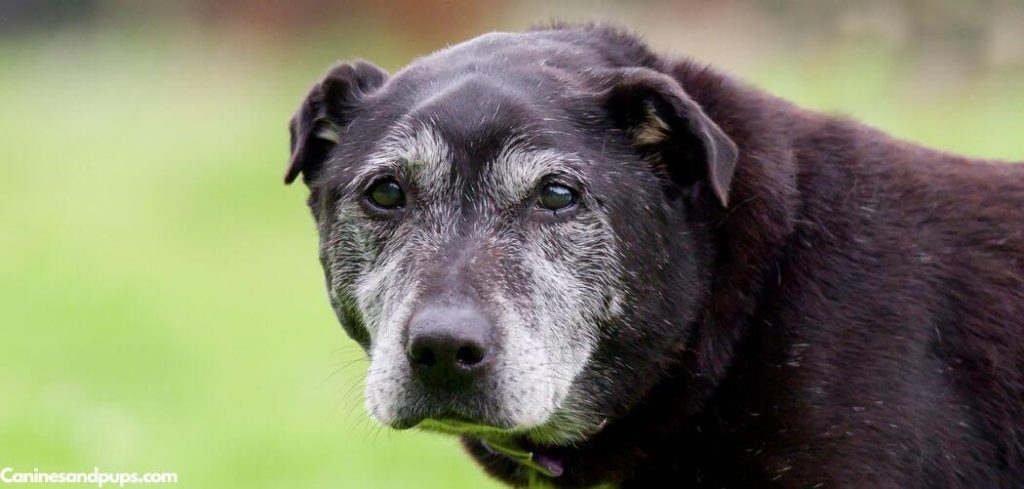
Old Dog Restless and Pacing: Signs
Signs of restlessness and pacing in an older dog include:
Repetitive pacing back and forth or in circles
Inability to lie down or stay settled
Frequently getting up and changing positions
Restlessness that worsens at night
Panting or mild agitation at rest
Whining, clinginess, or seeking constant attention
Old Dog Restless and Pacing: Common Causes
Canine Cognitive Dysfunction
Cognitive decline (dog dementia) is one of the most common reasons senior dogs become restless and pace.
As brain function changes, dogs may feel disoriented or confused, especially in the evening or at night. They may pace because they no longer understand where they are or what they should be doing.
This type of pacing is often accompanied by staring, altered sleep cycles, nighttime vocalization, or changes in interaction with family members.
Read more: Old Dog Syndrome (Signs, causes and treatment)
Pain
Pain is a major but frequently overlooked cause of pacing in old dogs. Arthritis, spinal disease, hip problems, dental pain, or internal inflammation can make it difficult for a dog to lie down comfortably.
Pacing becomes a way to cope with discomfort when rest no longer feels relieving.
Dogs in pain may also show stiffness, reluctance to lie down, sensitivity to touch, or changes in posture.
Read more: Old Dog Restless at Night (Why sleep suddenly changes)
Anxiety
Older dogs often develop anxiety even if they were calm earlier in life.
Loss of hearing or vision, physical weakness, and reduced confidence can make senior dogs feel unsafe. Pacing may occur as a self-soothing behavior when they feel unsettled, unsure, or overstimulated.
Anxiety-related pacing often worsens during quiet periods, at night, or when the dog is left alone.
Nausea
Digestive discomfort can also drive restlessness. Dogs experiencing nausea, bloating, acid reflux, or abdominal pain may pace because they cannot get comfortable. They may repeatedly stand up, lie down, and change positions.
This cause is often accompanied by lip licking, drooling, reduced appetite, or reluctance to eat.
Hormonal or Metabolic Disorders
Internal imbalances frequently affect senior dogs. Conditions such as kidney disease, liver disease, Cushing’s disease, thyroid imbalance, or high blood pressure can cause agitation, weakness, and an inability to settle.
Pacing related to metabolic disease is often paired with changes in thirst, urination, appetite, or energy levels.
Neurological Conditions
Disorders affecting the brain or nervous system can lead to persistent pacing.
Brain tumors, inflammation, seizure disorders, or stroke-related changes may alter awareness and movement patterns. Dogs may pace aimlessly, appear confused, or have difficulty stopping once they start.
Neurological pacing often progresses over time and should always be evaluated by a veterinarian.
Related: Old Dog Neurological Problems (Causes and treatment)
Old Dog Restless and Pacing: What to Do
Start by observing your dog closely and noting when the pacing occurs.
Pay attention to timing, duration, and any accompanying signs such as panting, whining, or appetite changes. Patterns can help your veterinarian identify the underlying cause.
Make your dog’s environment calm and predictable. Reduce loud noises, keep lighting soft at night, and avoid frequent changes to furniture or routines.
Support physical comfort. Provide orthopedic bedding, easy access to water, and assistance with movement if stiffness or weakness is present.
Offer reassurance without reinforcing anxiety. Calm presence and gentle interaction can help your dog feel safer without encouraging pacing behavior.
When to Call or Visit Your Vet
Contact your veterinarian if restlessness and pacing are new, persistent, or worsening.
Seek veterinary care promptly if pacing is accompanied by pain, confusion, appetite loss, vomiting, diarrhea, excessive panting, or sudden behavior changes.
In senior dogs, pacing is often a medical signal rather than a simple behavioral issue.
Old Dog Restless and Pacing: Treatment
Treatment focuses on identifying the root cause, which may include pain, cognitive decline, anxiety, or internal illness. Your vet may recommend a physical exam, bloodwork, or imaging to determine the cause.
If pain is involved, medications such as anti-inflammatories or pain relief are often prescribed. For cognitive dysfunction or anxiety, calming medications or supportive supplements may be recommended.
Treatment may also include managing underlying medical conditions and improving the home environment, such as maintaining a consistent routine and providing a comfortable, quiet resting area, to help reduce restlessness and improve overall comfort.
Key Takeaway
An old dog that is restless and pacing is usually trying to cope with discomfort, confusion, or internal imbalance. While the behavior may look mild at first, it often reflects a deeper physical or neurological issue.
Early evaluation, environmental support, and appropriate veterinary care can greatly improve comfort and quality of life.
Paying attention to pacing now can prevent prolonged distress and help your dog feel safe and settled again.