
Seeing red or bloodshot eyes in an old dog can be unsettling, especially when it appears suddenly or worsens over time. While mild redness can sometimes be harmless, persistent or worsening red eyes in senior dogs often signal an underlying issue.
Table of Contents
Old Dog Red Eyes: Why It Happens
Red eyes in old dogs usually occur because of inflammation, irritation, or increased pressure within the eye.
Aging eyes are more vulnerable to infection, dryness, injury, and chronic disease, making redness more noticeable and more serious than in younger dogs.
Conditions affecting the surface of the eye, tear production, or internal eye structures are common contributors, and early treatment is key to protecting vision.
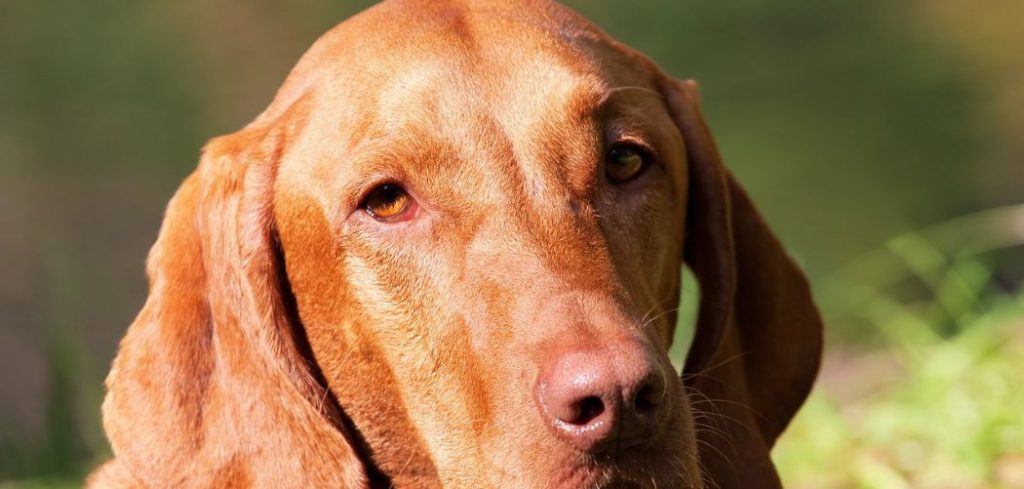
Old Dog Red Eyes: Symptoms
Signs of red eyes in an older dog:
Red or bloodshot appearance in one or both eyes
Squinting or partially closed eyes
Excessive tearing or discharge
Pawing at the eyes or rubbing the face
Cloudiness or changes in eye appearance
Sensitivity to light or keeping eyes closed
Old Dog Red Eyes: Common Causes
Conjunctivitis (Eye Inflammation)
Conjunctivitis is one of the most frequent causes of red eyes in senior dogs.
It occurs when the tissues lining the eyelids and eye surface become inflamed due to infection, allergies, or irritation. Aging immune systems may struggle to resolve inflammation quickly, allowing redness to persist or worsen.
Dogs with conjunctivitis often show discharge, squinting, and discomfort, and untreated cases can progress to more serious eye problems.
Related: Old dog eyes (Common senior dog eye problems)
Dry Eye
Dry eye becomes increasingly common as dogs age. This condition develops when tear production decreases, leaving the eye surface dry and irritated.
Without adequate lubrication, the eye becomes inflamed, leading to redness, thick discharge, and discomfort.
If left untreated, dry eye can cause corneal damage and long-term vision loss, making early detection especially important in older dogs.
Glaucoma
Glaucoma is a serious and painful cause of red eyes in old dogs. It occurs when pressure inside the eye rises, often due to poor fluid drainage.
This increased pressure causes visible redness, eye enlargement, cloudiness, and significant pain.
Glaucoma can progress rapidly and lead to permanent blindness if not treated promptly, making it a true veterinary emergency.
Eye Injuries
Minor eye injuries are more problematic in senior dogs. Scratches from plants, dust, or accidental bumps may not heal as quickly with age.
Even small injuries can lead to inflammation, infection, and worsening redness.
Dogs with eye injuries often squint, rub their eyes, or show sudden changes in behavior due to pain.
Allergies
Older dogs can become more sensitive to allergens over time. Pollen, mold, smoke, cleaning products, or dry indoor air can irritate the eyes, causing redness and inflammation.
Chronic exposure may lead to persistent symptoms rather than short-lived flare-ups.
Redness from allergies is often accompanied by watery eyes, itching, and seasonal patterns.
Underlying Eye Diseases or Tumors
Age increases the risk of internal eye disease. Conditions such as uveitis, cataract-related inflammation, or tumors inside or around the eye can cause redness due to disrupted blood flow and inflammation.
These cases may also involve vision changes, eye shape abnormalities, or behavioral signs of discomfort and require veterinary diagnostics to identify the cause.
What to Do If Your Old Dog Has Red Eyes
Start by keeping your dog from rubbing or scratching their eyes. Gently wiping away discharge with a clean, damp cloth can help reduce irritation, but avoid using any medications unless directed by your veterinarian.
Limit exposure to irritants such as smoke, strong scents, dust, or dry air. Using a humidifier indoors may help dogs prone to eye dryness.
Observe both eyes closely and note whether redness is affecting one or both eyes, as this information is helpful for your vet.
Ensure your dog stays hydrated and maintains overall health, as systemic dehydration can worsen eye dryness and inflammation.
When to Call or Visit Your Vet
You should contact your veterinarian if eye redness lasts more than a day or continues to worsen.
Seek immediate veterinary care if redness is accompanied by squinting, cloudiness, swelling, discharge, vision loss, or signs of pain.
In older dogs, red eyes should always be taken seriously, as early treatment can prevent permanent damage or blindness.
Read more: Old Dog Goopy Eyes (What it could mean)
Old Dog Red Eyes: Treatment
Treatment depends on the cause of the redness. Your vet may perform an eye exam to check for infections, injuries, dry eye, or more serious conditions like glaucoma.
Treatment often includes medicated eye drops or ointments to reduce inflammation and treat infection.
If dry eye is diagnosed, tear-stimulating medications may be prescribed. In more serious cases, additional medications or specialized care may be required.
Immediate treatment is important to prevent complications and protect your dog’s vision.
Key Takeaway
Red eyes in an old dog are never something to brush off as “just aging.” While mild irritation can occur, persistent or worsening redness often points to inflammation, dryness, pressure changes, or underlying eye disease.
Prompt attention, gentle care at home, and timely veterinary evaluation can protect your dog’s comfort and preserve their vision. When it comes to senior dogs’ eyes, early action makes a lasting difference.