
An old dog breathing quickly with short, shallow breaths can be frightening, especially when it happens at rest or worsens suddenly.
Changes in breathing patterns are never something to ignore in senior dogs, as they are often a sign of underlying illness rather than normal aging.
Old Dog Quick Shallow Breathing: Why It Happens
Quick, shallow breathing in old dogs usually happens when the body is struggling to get enough oxygen or is responding to pain, stress, or internal disease.
When dogs age, the heart, lungs, and muscles that support breathing become less efficient.
Conditions affecting the chest, lungs, heart, blood oxygen levels, or nervous system can all trigger rapid, shallow breaths.
Because breathing is essential for survival, even subtle changes often indicate a serious underlying issue that deserves prompt attention.
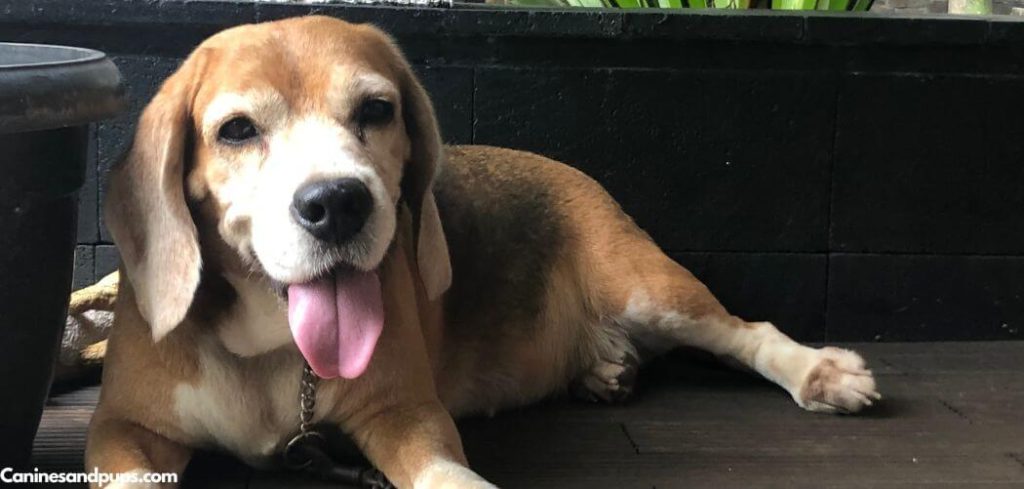
Old Dog Quick Shallow Breathing: Symptoms
Signs of quick, shallow breathing in an older dog include:
Rapid, shallow breaths with minimal chest expansion
Breathing that appears fast but not deep
Panting or open-mouth breathing at rest
Restlessness or inability to relax
Lethargy or reduced activity levels
Pale, bluish, or abnormal gum color in severe cases
Old Dog Quick Shallow Breathing: Common Causes
Heart Disease
Heart disease is one of the most common and serious causes of quick, shallow breathing in senior dogs.
When the heart can no longer pump blood efficiently, fluid may begin to accumulate in or around the lungs. This reduces the lungs’ ability to expand fully, forcing the dog to take faster, shallower breaths to compensate.
Dogs with heart disease may also show coughing, exercise intolerance, lethargy, or worsening breathing when lying flat.
Related: Old Dog Heart Murmur Life Expectancy
Lung Disease
Diseases that directly affect the lungs often lead to shallow breathing patterns.
Conditions such as chronic bronchitis, pneumonia, lung tumors, or pulmonary fibrosis can stiffen lung tissue or block airflow. When the lungs cannot expand normally, dogs take short, rapid breaths to meet oxygen demands.
You may notice coughing, wheezing, nasal discharge, or increased breathing effort alongside shallow breathing.
Pain and Discomfort
Pain anywhere in the body can significantly alter breathing patterns in older dogs.
Severe arthritis, spinal disease, abdominal pain, or internal inflammation can make deep breathing uncomfortable. To avoid discomfort, dogs may switch to shallow, rapid breaths.
Pain-related breathing changes are often accompanied by stiffness, reluctance to move, hunched posture, or sensitivity to touch.
Anemia
Anemia occurs when there are not enough red blood cells to carry oxygen throughout the body.
In older dogs, anemia may be caused by kidney disease, chronic illness, internal bleeding, or cancer. When oxygen delivery drops, the body responds by increasing breathing rate.
Dogs with anemia may also have pale gums, weakness, weight loss, or reduced stamina.
Stress
Emotional distress can cause noticeable breathing changes, even in senior dogs.
Anxiety, confusion from cognitive dysfunction, or panic can trigger rapid, shallow breathing that resembles respiratory illness. This type of breathing often occurs during stressful situations, at night, or alongside pacing and restlessness.
Although anxiety-related breathing can resolve when the dog calms down, persistent episodes still require evaluation to rule out medical causes.
Metabolic Disorders
Systemic illnesses frequently contribute to abnormal breathing patterns in older dogs.
Kidney failure, liver disease, and hormonal disorders can disrupt the body’s acid-base balance or toxin clearance. These imbalances stimulate the respiratory center in the brain, leading to faster, shallower breathing.
Dogs with metabolic disease often show additional signs such as increased thirst, vomiting, appetite loss, or confusion.
Read more: Old Dog Making Weird Breathing Noise (What it means)
Old Dog Quick Shallow Breathing: What to Do
First, keep your dog calm and limit physical activity. Move them to a quiet, cool area with good airflow and avoid excitement or exertion. Stress can worsen breathing difficulties.
Observe your dog closely. Note how fast they are breathing, whether the breathing happens at rest, and whether it worsens when lying down or sleeping.
Do not force your dog to eat or drink if breathing is labored. Instead, focus on comfort and monitoring until veterinary care is available.
If your dog has known heart, lung, or kidney disease, quick shallow breathing should be treated as urgent rather than watched at home.
When to Call or Visit Your Vet
Seek immediate veterinary care if your dog’s breathing is rapid and shallow at rest or continues for more than a short period.
Emergency attention is needed if breathing is accompanied by blue or pale gums, collapse, coughing up fluid, extreme lethargy, or distress.
You should also contact your veterinarian promptly if breathing changes appear suddenly, worsen quickly, or occur alongside other symptoms such as vomiting, weakness, or confusion.
Breathing changes in old dogs are rarely harmless and should always be taken seriously.
Old Dog Quick Shallow Breathing: Treatment
Treatment focuses on stabilizing breathing and identifying the underlying cause. Oxygen therapy is often provided immediately if your dog is struggling to breathe.
Your vet may perform diagnostic tests such as X-rays, bloodwork, or heart evaluation to check for conditions like heart disease, lung disorders, infections, fluid buildup, or pain-related causes. Treatment may include medications such as diuretics, antibiotics, bronchodilators, or pain relief depending on the diagnosis.
Immediate veterinary attention is essential, as quick, shallow breathing can indicate serious or life-threatening conditions if left untreated.
Key Takeaway
Quick, shallow breathing in an old dog is a clear signal that the body is under stress or struggling to function properly. While anxiety or mild discomfort can sometimes play a role, most cases are linked to heart disease, lung problems, pain, anemia, or organ dysfunction.
Because senior dogs often hide illness until it becomes serious, breathing changes are one of the most important warning signs owners can notice.
Immediate veterinary evaluation can identify the cause early, ease breathing distress, and significantly improve your dog’s comfort and quality of life.