
It can be upsetting to see your senior dog chewing, licking, or pulling out their own fur. If your old dog is pulling out hair, this behavior is rarely random. In most cases, it signals underlying discomfort — whether physical, dermatological, neurological, or emotional.
Occasional grooming is normal, but repetitive hair pulling that leads to bald spots, redness, or skin damage requires attention.
Table of Contents
Old Dog Pulling Hair Out: Why It Happens
Hair pulling in an old dog is usually caused by itching, pain, anxiety, or underlying skin and health conditions. With aging, a dog’s skin becomes more sensitive, and their immune system may weaken, making them more prone to irritation and infections.
In many cases, your dog is trying to relieve discomfort, whether it’s from itching, inflammation, or even stress-related behaviors.
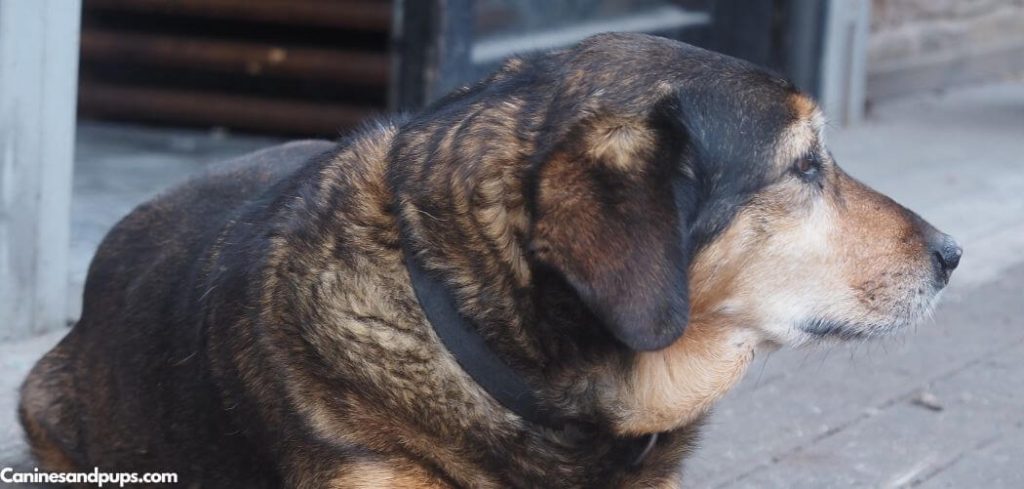
Why Senior Dogs Develop Skin And Behavioral Changes
As dogs age, their skin becomes thinner, less elastic, and more sensitive. Oil gland function may change, immune responses weaken, and healing slows down. At the same time, chronic conditions such as arthritis, endocrine disorders, and neurological decline become more common.
Hair pulling often represents an attempt to relieve itching, irritation, pain, or anxiety. In older dogs, the underlying trigger is frequently more complex than simple dry skin.
Old Dog Pulling Hair Out: Signs
If your old dog is pulling their hair out, you may notice:
- Bald patches or thinning fur
- Red, inflamed, or irritated skin
- Excessive licking, chewing, or scratching
- Scabs, sores, or crusty areas
- Skin odor or discharge
- Restlessness or agitation
- Changes in behavior or mood
- Sensitivity when touched in certain areas
Old Dog Pulling Hair Out: Common Causes
Allergies
Allergies are one of the most common reasons an old dog starts pulling hair out. Environmental allergens such as pollen, dust mites, or mold can trigger immune responses in the skin.
Food sensitivities may also develop later in life, even if your dog previously tolerated certain ingredients without issue.
When the immune system reacts to allergens, it releases inflammatory chemicals that cause intense itching. Dogs respond by licking, chewing, or biting at the affected areas. Over time, repeated irritation damages hair follicles and leads to bald patches.
Senior dogs may experience more severe reactions because aging skin has a weaker protective barrier.
Chronic allergic inflammation can also lead to thickened skin, darkened pigmentation, and secondary infections.
Skin Infections
Skin infections frequently develop secondary to allergies or immune suppression. When bacteria or yeast overgrow on the skin’s surface, they cause inflammation, itching, and discomfort.
An old dog pulling hair out due to infection may show red, moist patches, crusting, or a strong odor. Yeast infections often create greasy skin and persistent itching in areas like the ears, paws, and belly.
Because senior dogs have less robust immune defenses, infections can spread quickly if untreated. Oral antibiotics or antifungal medications are often necessary to resolve the problem fully.
Related: Old Dog Skin Problems (Causes and treatment)
Parasites
Fleas, mites, and other external parasites can trigger intense itching. Even a single flea bite can provoke an exaggerated allergic reaction in sensitive dogs.
Older dogs with flea allergy dermatitis may chew aggressively at their backs, tails, or hindquarters, sometimes pulling out large clumps of hair. Mite infestations can also lead to patchy hair loss and inflamed skin.
Routine parasite prevention remains essential throughout a dog’s life, including senior years.
Hormonal Disorders
Hormonal imbalances become more common as dogs age. Conditions such as hypothyroidism or Cushing’s disease can affect hair growth cycles and skin health.
Hypothyroidism often leads to thinning hair and dry skin, which may prompt excessive grooming. Cushing’s disease can cause fragile skin, hair loss, and increased susceptibility to infections.
Although hormonal hair loss is typically symmetrical rather than self-inflicted, secondary itching or discomfort can lead to hair pulling. Blood testing is required for accurate diagnosis.
Chronic Pain
Pain can sometimes manifest as grooming behavior. Dogs with arthritis or joint discomfort may repeatedly lick or chew areas near painful joints.
An old dog pulling hair out over the hips, knees, or lower back may actually be attempting to soothe underlying joint pain.
If hair pulling coincides with stiffness, difficulty rising, or reluctance to move, chronic pain should be considered as a contributing factor.
Stress
Behavioral causes can also play a role. Senior dogs may develop anxiety due to sensory decline, routine changes, or cognitive dysfunction.
Hair pulling can become a compulsive coping mechanism. Unlike allergy-driven chewing, anxiety-related grooming may occur even in the absence of visible skin irritation.
However, behavioral causes should only be considered after medical issues have been ruled out.
Cognitive Dysfunction Syndrome
Cognitive dysfunction syndrome, often compared to dementia in humans, affects many senior dogs. Disorientation and confusion can lead to repetitive behaviors, including excessive grooming.
An old dog pulling hair out due to cognitive decline may also show pacing, altered sleep patterns, or reduced social interaction.
Managing cognitive dysfunction often involves environmental support and veterinary-prescribed medications.
Skin Tumors Or Growths
In some cases, a localized growth or tumor may irritate the surrounding skin. Dogs may chew persistently at a specific area, leading to hair loss.
Because cancer risk increases with age, any bald patch associated with a lump should be evaluated promptly.
Related: Old dog losing hair (Why it happens)
Warning Signs That Require Veterinary Attention
If your old dog is pulling hair out and you notice open sores, bleeding, swelling, discharge, foul odor, or rapid hair loss, schedule a veterinary appointment immediately.
Other concerning signs include lethargy, appetite changes, increased thirst, weight fluctuations, or behavioral shifts.
Hair pulling that persists for more than a few days without improvement warrants professional evaluation.
Old Dog Pulling Hair Out: Treatment
Diagnosis begins with a thorough physical exam. Your veterinarian may perform skin scrapings to check for mites, cytology to identify bacterial or yeast infections, and blood tests to assess hormonal health.
If allergies are suspected, dietary trials or allergy testing may be recommended. In cases involving suspected tumors, biopsy or fine needle aspiration may be necessary.
Accurate diagnosis ensures targeted treatment rather than temporary symptom relief.
Treatment depends entirely on the underlying cause. Allergies may require antihistamines, corticosteroids, or specialized diets. Infections respond to antibiotics or antifungal medication.
Hormonal disorders require long-term management with appropriate medication. Pain-related grooming improves with effective arthritis treatment.
Behavioral causes may benefit from environmental enrichment, anxiety-reducing strategies, or veterinary-prescribed medications.
Supporting Skin Health In Senior Dogs
Regular grooming allows early detection of skin changes. Use gentle, veterinarian-approved shampoos to maintain skin balance.
Ensure your dog receives balanced nutrition, as omega-3 fatty acids can support skin integrity. Maintain consistent flea prevention year-round.
Providing mental stimulation and maintaining routine can reduce stress-related behaviors.
Key Takeaway
An old dog pulling its hair out is not a harmless quirk. It is usually a sign of discomfort, whether from allergies, infection, parasites, hormonal imbalance, pain, or cognitive decline.
Because senior dogs are more vulnerable to chronic illness, early evaluation is essential. Identifying and treating the underlying cause not only restores coat health but also improves overall quality of life.
If your aging companion begins chewing or pulling out fur persistently, consult your veterinarian. With proper care and attention, most causes of hair pulling can be effectively managed, helping your senior dog stay comfortable and content throughout their golden years.


