
If your old dog’s poop is black, it should never be ignored. Black stool, especially if it looks tarry or sticky, can be a sign of bleeding in the digestive tract and may indicate a serious underlying condition.
What is Black Poop?
Black poop in dogs is medically known as melena. It usually appears dark brown, black, shiny, sticky, or tar-like and often has a strong, unusual odor.
This color change happens when blood is digested as it passes through the stomach and intestines. The digestion process turns red blood into a black pigment.
In most cases, black stool means there is bleeding somewhere in the upper digestive tract, such as the stomach, esophagus, or small intestine.
Occasionally, black stool may also be caused by diet or medications, but in senior dogs, medical causes are far more common.
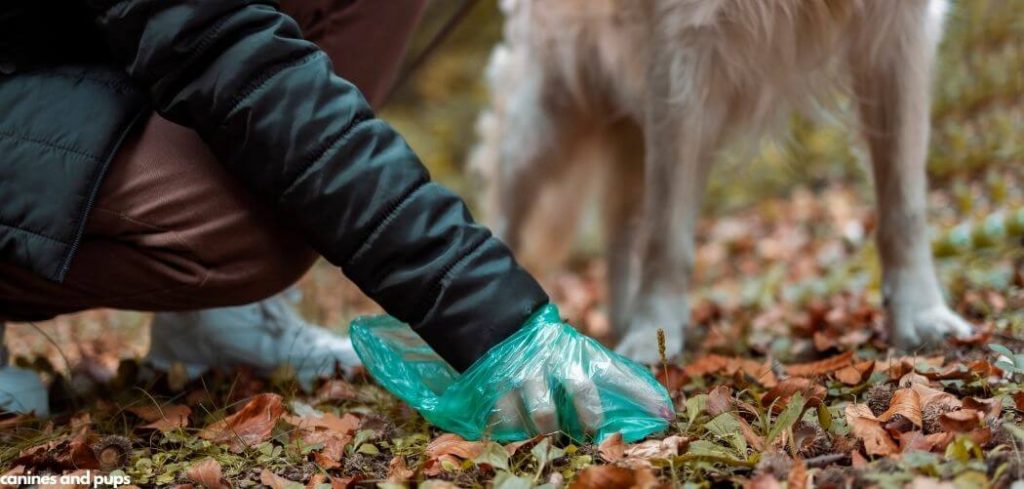
Old Dog Poop Is Black: Why It Happens
When an old dog’s poop is black, it is often due to digested blood in the stool, a condition known as melena, or from certain foods and medications.
As blood travels through the digestive system, it turns dark and gives stool a black, tar-like appearance. In senior dogs, this can be linked to ulcers, internal bleeding, medications, or systemic illness. However, not all black stool is caused by blood—dietary factors can sometimes play a role.
Old Dog Poop Is Black: Symptoms
If your old dog has black stool, you may notice:
Dark black or tarry stool
Sticky or shiny stool texture
Foul odor
Lethargy
Weakness
Pale gums
Loss of appetite
Vomiting
Weight loss
Increased thirst
Old Dog Poop Is Black: Common Causes
Gastrointestinal Bleeding (Melena)
One of the most serious and common causes of black stool in older dogs is gastrointestinal bleeding. When bleeding occurs in the stomach or upper intestines, the blood is digested as it moves through the digestive tract, turning the stool black and tar-like.
This type of bleeding can be caused by ulcers, inflammation, or damage to the lining of the digestive system. The stool often has a distinct sticky texture and a strong, unusual odor.
In more advanced cases, your dog may also show signs of weakness, pale gums, or lethargy due to blood loss. Because this condition involves internal bleeding, it requires immediate veterinary attention.
Read more: Old Dog Green Poop (What it means)
Stomach Ulcers
Stomach ulcers develop when the protective lining of the stomach is damaged, allowing acid to irritate the tissue beneath. This can lead to bleeding, which then appears as black stool.
Ulcers can be caused by long-term medication use, stress, or underlying illness. As the ulcer worsens, it may bleed intermittently or continuously, leading to repeated episodes of black stool.
Dogs with ulcers may also show signs of nausea, reduced appetite, or discomfort after eating.
Medication Side Effects
Certain medications, particularly anti-inflammatory drugs, can irritate the stomach lining and increase the risk of ulcers and bleeding.
In older dogs, the digestive system is more sensitive, making them more vulnerable to these side effects.
If your dog recently started a new medication, black stool may indicate irritation or damage within the digestive tract. This is especially concerning if accompanied by vomiting, loss of appetite, or lethargy.
Ingestion of Blood
If a dog swallows blood—such as from a nosebleed, mouth injury, or dental issue—it can pass through the digestive system and appear as black stool.
In these cases, the source of the blood is external rather than internal, but the result in the stool looks similar.
You may notice other signs such as bleeding from the mouth, gums, or nose. While less serious than internal bleeding, the underlying cause still needs to be identified.
Diet or Certain Foods
Some foods or substances can darken stool, making it appear black without the presence of blood. Foods high in iron or certain supplements can change stool color.
Unlike melena, this type of stool is usually not sticky or tar-like and does not have a strong, unusual odor.
Your dog will typically appear otherwise normal. However, it’s important to rule out medical causes before assuming diet is responsible.
Chronic Illness
Systemic diseases affecting organs such as the liver or kidneys can lead to digestive disturbances and increase the risk of bleeding in the gastrointestinal tract.
As these conditions progress, they may weaken the body and make the digestive lining more susceptible to damage.
Black stool in these cases is often accompanied by other symptoms such as weight loss, appetite changes, or increased thirst.
Read more: Old Dog Bloody Poop (Causes explained)
Old Dog Poop Is Black: What to Do
If your old dog’s poop is black, observe the texture and frequency of the stool. Tarry, sticky stool is more concerning than simple dark coloration.
Check for additional symptoms such as lethargy, pale gums, or vomiting, as these can indicate a more serious issue.
Avoid giving any new medications or foods until you understand the cause. Ensure your dog has access to fresh water and stays hydrated.
Do not delay seeking veterinary advice, especially if the stool appears tar-like or symptoms are present.
When to Call or Visit Your Vet
Black, tarry stool should be treated as a potential emergency and evaluated promptly.
If your dog shows signs of weakness, pale gums, or lethargy, seek immediate care.
Vomiting, loss of appetite, or repeated black stools require urgent attention. If your dog is on medication and develops black stool, contact your vet right away.
Any unexplained change in stool color in a senior dog should be assessed.
Old Dog Poop Is Black: Treatment
Treatment focuses on identifying and stopping the source of bleeding or irritation. Your vet may perform blood tests, imaging, or stool analysis.
If ulcers or bleeding are present, medications may be used to protect the stomach lining and reduce acid.
If medications are the cause, adjustments will be made. Chronic conditions will be managed with appropriate treatment plans.
In severe cases, hospitalization and supportive care may be required.
Key Takeaway
Black stool in an old dog is often a sign of digested blood or a serious underlying issue.
It should never be ignored, especially if it appears tarry or is accompanied by other symptoms.
Immediate veterinary care is essential to identify the cause and prevent complications.
Acting quickly can make a critical difference in your dog’s health and recovery.