
When your old dog develops poop incontinence, it can be distressing and confusing, especially if they’ve always been well house-trained.
This condition is rarely behavioral and is almost always linked to physical or neurological changes that come with aging.
What Is Poop Incontinence in Old Dogs?
Poop incontinence refers to the involuntary loss of stool without the dog realizing it or being able to control it. This may involve:
• Stool leaking while walking
• Accidents during sleep
• Droppings falling out while resting
• Smearing on bedding
• Soiling without squatting
Some dogs still attempt to go outside but cannot hold stool long enough. Others lose awareness of bowel movements entirely.
In senior dogs, this problem usually develops gradually and worsens over time if not addressed.
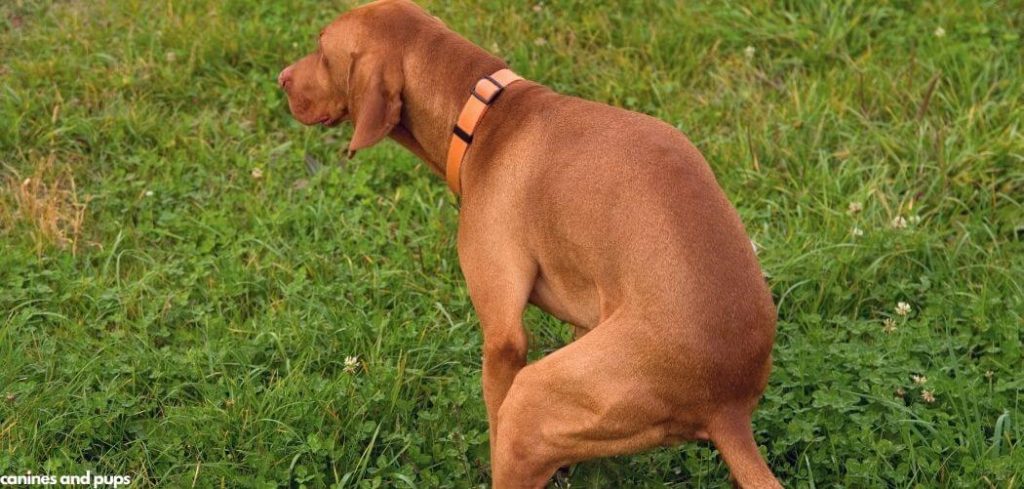
Old Dog Poop Incontinence: Why It Happens
When an old dog has poop incontinence, it is usually due to weakened muscles, nerve dysfunction, or conditions affecting bowel control and awareness. The stool may pass unexpectedly during rest, movement, or without any warning signals. In many cases, your dog may not even realize it is happening.
As dogs age, the muscles that control the anus and the nerves that regulate bowel movements can lose strength and coordination.
Common causes include anal sphincter weakness, neurological disease, chronic digestive issues, and systemic illness.
Old Dog Poop Incontinence: Symptoms
If your old dog has poop incontinence, you may notice:
Stool leaking or falling out
Accidents without warning
Soiling of bedding or resting areas
Passing stool while walking
Lack of awareness of bowel movements
Loose stool in some cases
Licking around the rear
Foul odor from frequent accidents
Weakness in hind legs
Changes in bowel habits
Old Dog Poop Incontinence: Common Causes
Anal Sphincter Weakness
One of the most direct causes of fecal incontinence in older dogs is weakening of the anal sphincter muscle. This muscle is responsible for keeping the anus closed and holding stool in until your dog is ready to go.
Over time, age-related muscle degeneration reduces the strength and tone of this muscle. As a result, it cannot maintain a tight seal, allowing stool to leak out involuntarily.
This often happens when your dog is relaxed, such as during sleep or while lying down, and is usually not something your dog can control or even notice. The leakage may be small and frequent rather than full bowel movements.
Neurological Disorders
The nervous system controls communication between the brain and the muscles responsible for bowel control. When this communication is disrupted, your dog may lose the ability to sense or control bowel movements.
In older dogs, neurological issues can arise from spinal degeneration, nerve damage, or other age-related conditions.
When the signals are weakened or delayed, your dog may not realize that stool is present or may be unable to hold it in.
This often leads to unpredictable leakage and may be accompanied by signs such as hind leg weakness, unsteady walking, or reduced coordination.
Related: Old dog Neurological Problems (Signs to watch out for)
Chronic Diarrhea
When stool is loose or poorly formed, it becomes much harder for the body to control. Even mild weakness in the anal sphincter can lead to leakage when stool consistency is soft.
Chronic diarrhea increases the frequency of bowel movements and reduces the ability of the intestines to regulate stool formation.
This combination makes accidents more likely and more difficult to manage. In these cases, improving stool consistency is a key part of managing incontinence.
Read more: Old Dog Constant Diarrhea (Why it happens)
Spinal or Back Problems
The lower spine contains nerves that are essential for controlling bowel movements. Conditions such as spinal degeneration or injury can interfere with these nerves, leading to loss of control.
When these nerves are affected, your dog may not receive proper signals about bowel movements or may be unable to respond to them.
This can result in stool passing unexpectedly, often alongside other signs such as difficulty walking, dragging the hind legs, or changes in posture.
Muscle Weakness
General muscle loss in older dogs affects more than just mobility—it also impacts internal muscles involved in bowel control. As overall muscle strength declines, the ability to hold stool decreases.
This type of weakness tends to develop gradually and may become more noticeable over time.
The body simply does not have the strength to maintain control, especially during movement or when the dog is relaxed.
Chronic Illness
Systemic diseases can weaken the body and disrupt normal digestive and muscular function. As the body struggles to maintain balance, bowel control may decline.
Chronic illness can also lead to fatigue and reduced muscle tone, both of which contribute to incontinence.
In many cases, fecal incontinence is just one of several symptoms, and you may also notice changes in appetite, weight, or energy levels.
Old Dog Poop Incontinence: What to Do
If your old dog has poop incontinence, start by keeping their living area clean and comfortable. Use washable bedding and clean accidents promptly to prevent irritation and odor.
Take your dog out more frequently to give them opportunities to relieve themselves voluntarily.
Ensure your dog’s diet supports firm, healthy stool, as this can help improve control.
Provide support for mobility if needed, especially if weakness is contributing to the issue.
Be patient and avoid punishment, as your dog is not aware or in control of the situation.
When to Call or Visit Your Vet
If fecal incontinence develops suddenly or worsens, consult your veterinarian.
Signs of neurological issues, such as weakness or coordination problems, require prompt evaluation.
Persistent diarrhea or changes in stool consistency should be assessed. If your dog shows signs of discomfort, weight loss, or reduced appetite, seek veterinary care.
Any ongoing loss of bowel control in a senior dog should be evaluated to determine the cause.
Read more: Old Dog PoopS Uncontrollably (What it means)
Old Dog Poop Incontinence: Treatment
Veterinary treatment focuses on identifying the underlying cause. Your vet may perform a physical exam, neurological assessment, or diagnostic tests.
Medications may be prescribed to improve muscle tone or manage underlying conditions. Digestive issues may be treated with dietary adjustments or medications.
Neurological conditions may require further diagnostics and long-term management.
Supportive care is often recommended to improve your dog’s comfort and quality of life.
Key Takeaway
Poop incontinence in an old dog is usually caused by physical or neurological changes rather than behavior.
Understanding the cause is key to managing the condition effectively.
With proper care, patience, and veterinary support, many dogs can remain comfortable and maintain a good quality of life.
Your support and adjustments can make a meaningful difference in your dog’s daily comfort.