
Finding maggots in or around your old dog’s poop can be shocking and distressing. While it may look alarming, this situation is often related to flies laying eggs in stool, but in some cases, it can signal hygiene issues or even a medical concern that needs attention.
Maggots in Old Dog’s Poop
Maggots are fly larvae. They appear when flies lay eggs on moist, decaying organic material, including feces.
When maggots are found in or around a dog’s stool, it usually means:
• The stool has been sitting for some time.
• The environment attracted flies.
• Hygiene is compromised.
• The dog may be unable to clean itself.
• There may be underlying illness or neglect.
In senior dogs, this often reflects physical weakness, incontinence, mobility problems, or chronic disease.
It is not normal and should never be ignored.
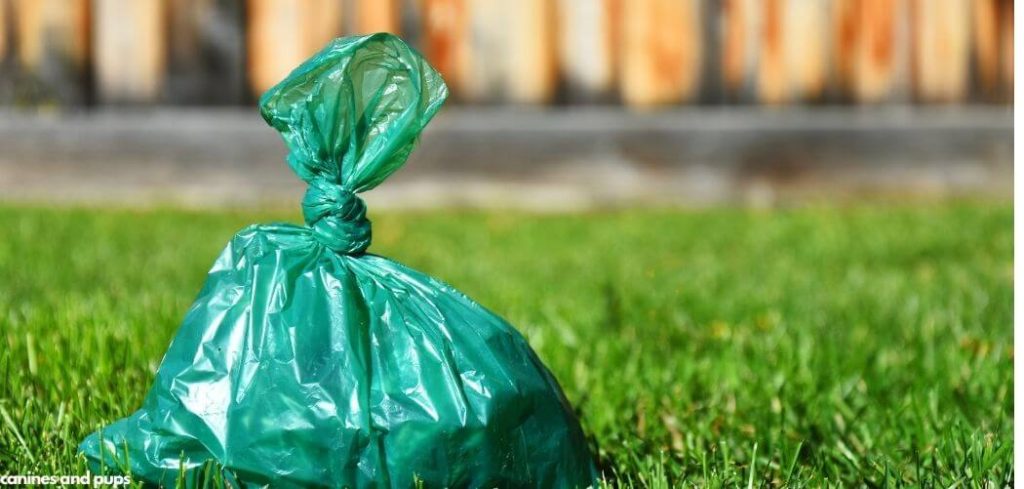
Old Dog Poop Has Maggots: Why It Happens
When an old dog’s poop has maggots, it is usually because flies have laid eggs in the stool, which then hatch into larvae. This commonly occurs when feces are left outside or in warm environments for even a short period.
However, in senior dogs, it can sometimes be linked to stool sticking to the fur, wounds, or hygiene issues that allow flies to lay eggs directly on or near the body.
An old dog with maggots present in or around stool may not always have a serious medical issue, but it does indicate a need for closer attention to cleanliness, environment, and overall health.
Old Dog Poop Has Maggots: Symptoms
If your old dog’s poop has maggots, you may notice:
Small white larvae in or around stool
Maggots near the tail or rear area
Foul odor
Stool stuck to fur
Increased licking of the rear
Skin irritation or redness
Restlessness or discomfort
Signs of infection (in severe cases)
Lethargy (if complications occur)
Poor hygiene around the hind area
Old Dog Poop Has Maggots: Common Causes
Flies Laying Eggs on Stool
The most common and straightforward reason for seeing maggots in your dog’s poop is that flies have laid eggs on the feces after it was passed.
Flies are naturally attracted to waste, especially in warm or humid environments, and can lay eggs very quickly—sometimes within minutes.
Once the eggs hatch, they turn into maggots, which feed on the organic material in the stool.
This can make it seem like the maggots came from inside your dog, but in most cases, they developed externally. This is especially likely if the stool was left outside or not cleaned up immediately.
Read more: Old Dog Poop Incontinence (What it means)
Poor Hygiene
In older dogs, grooming and hygiene can become more difficult, especially if they have mobility issues or long fur. Stool may stick to the hair around the rear, creating an ideal environment for flies.
When fecal matter remains on the body, flies may lay eggs directly on the fur or skin.
This can lead to maggots developing close to the dog rather than just in the environment. Over time, this can cause skin irritation and increase the risk of infection if not addressed.
Fecal Incontinence
Dogs that have difficulty controlling their bowels may have frequent accidents or leakage, leading to stool remaining on the body or in their living area.
This creates repeated opportunities for flies to lay eggs, especially if accidents are not cleaned immediately.
Incontinence is more common in older dogs and can increase the likelihood of maggots appearing around the rear area or bedding.
Open Wounds
If your dog has sores, irritated skin, or wounds near the rear, flies may be attracted to these areas and lay eggs directly on the skin. This condition, known as flystrike, can lead to maggots developing on the body.
This is more serious than maggots in stool alone, as the larvae can begin to affect living tissue if left untreated. Older dogs with weakened immune systems or poor hygiene are at higher risk.
Diarrhea or Frequent Stool
Loose or frequent stool increases the chances of feces remaining in the environment or sticking to the body. This creates more opportunities for flies to lay eggs.
Diarrhea also makes it harder to keep the rear area clean, especially in older dogs with limited mobility. The combination of moisture and organic material creates an ideal environment for maggots to develop.
Read more: Old Dog Constant Diarrhea (Why it happens)
Unsanitary Living Conditions
If a dog’s living area is not cleaned regularly, feces can accumulate, attracting flies and leading to repeated egg-laying.
Older dogs that spend more time resting in one area may be more affected if cleanliness is not maintained. Over time, this can increase the likelihood of maggots appearing in or around stool.
Old Dog Poop Has Maggots: What to Do
If you notice maggots in your old dog’s poop, remove and dispose of the affected stool immediately.
Check your dog’s rear area carefully for any signs of maggots, irritation, or wounds.
Clean your dog gently if there is stool stuck to the fur, using warm water and mild pet-safe products.
Keep your dog’s living area clean and dry, and remove waste promptly to prevent flies from returning.
Ensure your dog’s grooming is maintained, especially around the hind area, to reduce buildup.
When to Call or Visit Your Vet
If you see maggots on your dog’s body or near wounds, seek veterinary care immediately.
Signs of skin infection, redness, swelling, or discomfort should be evaluated.
If your dog has ongoing diarrhea or incontinence, consult your veterinarian. Lethargy, loss of appetite, or signs of illness alongside this issue require attention.
Any suspicion of flystrike should be treated as urgent.
Old Dog Poop Has Maggots: Treatment
Veterinary treatment depends on the severity and underlying cause. Your vet may clean and treat affected areas and check for infection.
If flystrike is present, maggots will be removed, and medications may be used to treat the skin and prevent further infestation.
Underlying conditions such as diarrhea or incontinence will be addressed. Preventative care and hygiene recommendations will also be provided.
Key Takeaway
Maggots in an old dog’s poop are usually caused by flies laying eggs, but they can sometimes indicate hygiene or health concerns.
Prompt cleaning and careful inspection are essential to prevent complications.
In more serious cases, especially if maggots are on the body, veterinary care is urgent.
Maintaining cleanliness and monitoring your dog’s health can help prevent this issue from recurring.