
An old dog panting and shaking at the same time can be deeply concerning, especially if it happens suddenly or without an obvious reason.
Occasional panting or mild trembling may not always be serious, but this combination often signals discomfort or an underlying health issue.
Old Dog Panting And Shaking: Why It Happens
Panting and shaking in an old dog are most commonly caused by pain, anxiety, illness, or internal imbalances such as hormonal disorders or neurological issues.
Panting is often a sign of stress, overheating, or discomfort, while shaking can indicate pain, fear, weakness, or instability.
When these symptoms occur together, it usually means your dog is trying to cope with something physically or emotionally distressing.
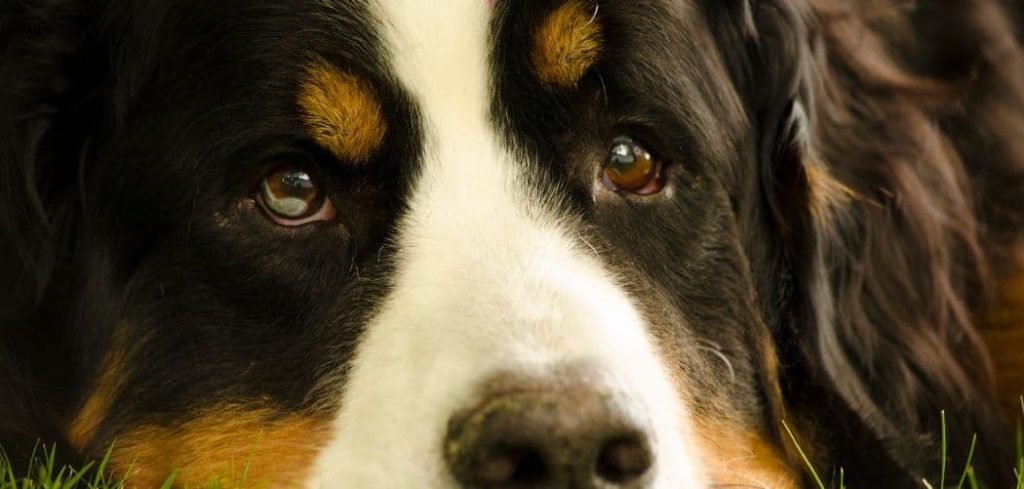
Old Dog Panting and Shaking: Symptoms
Signs of panting and shaking together in an older dog include:
- Panting without heat or recent exercise
Visible trembling or shaking of the body
Restlessness or inability to settle
Signs of pain, such as stiffness or reluctance to move
Whining, clinginess, or anxious behavior
Lethargy or reduced activity levels
Old Dog Panting and Shaking: Common Causes
Pain
Pain is one of the most common reasons an old dog pants and shakes at the same time.
Arthritis, spinal degeneration, joint disease, or internal pain can overstimulate the nervous system.
Panting occurs as a stress and pain response, while shaking or trembling reflects muscle tension and discomfort. Senior dogs often shake subtly rather than cry or limp, making these signs easy to miss.
When pain worsens at rest or during position changes, shaking and panting may become more noticeable at night.
Related: Old dog circling and pacing (What it means)
Anxiety
Emotional stress can strongly affect older dogs. Senior dogs are more prone to anxiety due to hearing loss, vision changes, reduced mobility, and decreased ability to cope with environmental stressors.
Anxiety can trigger panting through stress hormone release and cause shaking due to muscle tension and heightened alertness.
This cause is especially likely if symptoms worsen during storms, at night, or when routines change.
Canine Dementia
Cognitive decline frequently causes panting and shaking in older dogs. Dogs with cognitive dysfunction may feel confused, disoriented, or frightened without a clear trigger.
This internal distress can activate the nervous system, leading to trembling and stress-induced panting.
Episodes often occur in the evening or overnight and may be accompanied by pacing, staring into space, or vocalization.
Painful Abdominal
Internal discomfort can trigger generalized shaking. Digestive upset, pancreatitis, gas buildup, constipation, or internal inflammation may not always cause vomiting or diarrhea but can still create significant discomfort.
Panting reflects pain or nausea, while shaking indicates muscle tension and systemic stress.
Older dogs are more sensitive to internal pain, making this a common but overlooked cause.
Heart Disease
Cardiac conditions can contribute to panting and trembling. Reduced cardiac output lowers oxygen delivery to muscles and organs.
This can lead to labored breathing, panting, and weakness-related shaking. Trembling may worsen with exertion or when the dog tries to stand or reposition.
In senior dogs, these signs may appear gradually and intensify over time.
Neurological Disorders
Neurological changes can directly cause shaking. Conditions affecting the brain or nerves can disrupt muscle control, leading to tremors or involuntary shaking.
Panting may accompany these episodes due to nervous system activation or anxiety caused by disorientation.
Neurological causes often present with additional signs such as head tilt, imbalance, or changes in awareness.
Hormonal or Metabolic Imbalances
Internal chemical imbalances can overstimulate the body. Diseases affecting hormone regulation or metabolism may cause increased stress responses, muscle tremors, and excessive panting.
These conditions interfere with how the body manages energy, temperature, and muscle control.
Senior dogs with metabolic disease may also show appetite changes, weight loss, or increased thirst.
Medication Side Effects
Certain medications commonly used in older dogs can cause panting and shaking.
Pain medications, steroids, or drugs affecting the nervous system may trigger tremors or restlessness as side effects. These symptoms often begin after a new medication is introduced or a dosage is changed.
Medication-related causes should always be considered in senior dogs with recent treatment adjustments.
Temperature Sensitivity or Fever
Older dogs are more sensitive to temperature changes. Overheating or fever can cause panting as the body attempts to cool itself, while shaking may occur as muscles fatigue or react to systemic stress.
Even mild environmental warmth can trigger symptoms in senior dogs with reduced temperature regulation.
Cooling the environment may temporarily improve symptoms, but underlying causes should still be assessed.
Read more: Old Dog Panting And Pacing (What it could mean)
When to Call or Visit Your Vet
If your old dog is panting and shaking, certain signs require immediate veterinary attention.
Seek urgent care if symptoms appear suddenly and are severe, especially if your dog cannot settle, stand, or respond normally.
If panting is labored or accompanied by pale gums, this may indicate a serious issue affecting breathing or circulation.
Shaking combined with vomiting, diarrhea, or signs of toxin exposure should be treated as an emergency.
You should also contact your vet if symptoms are recurring, worsening, or accompanied by weakness, confusion, or loss of appetite.
In older dogs, these signs should always be taken seriously.
Old Dog Panting and Shaking: Treatment
Treatment focuses on identifying the underlying cause through a physical exam and diagnostic tests such as bloodwork or imaging if needed.
If pain is the cause, your vet may prescribe pain relief or anti-inflammatory medications. For anxiety or cognitive decline, calming medications or supportive supplements may be recommended.
If an underlying medical condition (such as organ disease or hormonal imbalance) is present, treatment will target that specific issue.
Immediate veterinary evaluation is important, as this combination of symptoms can sometimes indicate serious health concerns.
Key Takeaway
An old dog panting and shaking is a symptom combination that often signals discomfort, stress, or an underlying health issue.
While some causes are mild, others can be serious and require immediate attention.
By observing your dog closely, providing a calm environment, and seeking veterinary care when needed, you can help ensure your dog stays safe, comfortable, and supported in their senior years.