
Breathing changes in senior dogs can be alarming, especially when your dog seems out of breath after minimal activity or even at rest.
When an old dog is out of breath, it can signal anything from normal aging changes to serious underlying health conditions that need immediate attention.
Old Dog Out Of Breath: Why It Happens
An old dog out of breath is usually experiencing reduced oxygen efficiency, meaning their body is working harder to meet normal demands, even during mild activity or rest.
With aging, a dog’s cardiovascular and respiratory systems become less efficient, making it harder to keep up with physical demands. Conditions like heart disease, lung problems, anemia, or even pain can reduce oxygen delivery, causing your dog to breathe faster or struggle to catch their breath.
In some cases, weight gain or decreased muscle tone can also make breathing feel more effortful.
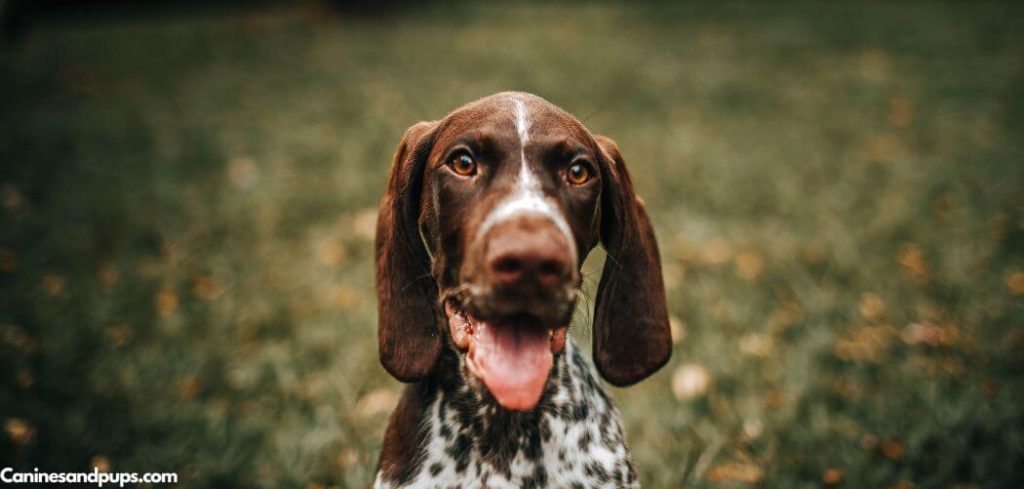
Is It Normal For Senior Dogs To Get Winded More Easily?
As dogs age, muscle mass declines and endurance decreases. A senior dog may not have the same stamina they did in their younger years. Shorter walks and more frequent rest breaks are common.
However, being consistently out of breath after very little exertion, or struggling to breathe while resting, is not normal.
Rapid breathing at rest, labored chest movement, or open-mouth breathing without heat or exercise are signs that require assessment. Normal aging slows a dog down, but it should not make breathing difficult.
Old Dog Out Of Breath: Symptoms
When an old dog is out of breath, the signs can range from mild to severe depending on the cause.
Rapid or heavy breathing
Panting without obvious reason (like heat or exercise)
Breathing with mouth open at rest
Shortness of breath after minimal activity
Wheezing, coughing, or noisy breathing
Blue or pale gums (in severe cases)
Reluctance to move or exercise
Restlessness or inability to get comfortable
Stretching neck forward to breathe easier
Common Causes of Old Dog Out Of Breath
Heart Disease (Congestive Heart Failure)
Heart disease is one of the most common causes of an old dog being out of breath.
As the heart weakens with age, it becomes less effective at pumping blood throughout the body. This means oxygen delivery is reduced, forcing the dog to breathe faster to compensate.
In conditions like congestive heart failure, fluid can build up in or around the lungs, making breathing physically harder. Your dog may seem fine at rest initially but become quickly out of breath during activity.
Over time, this can progress to breathing difficulties even while lying down, often accompanied by coughing or fatigue.
Related: Old Dog Heart Murmur Life Expectancy
Chronic Lung Disease
Lung conditions, such as chronic bronchitis or fibrosis, can significantly affect breathing in older dogs.
These conditions cause inflammation or scarring in the lungs, reducing their ability to expand and exchange oxygen efficiently.
Your dog may appear to struggle for air, take shallow breaths, or seem constantly winded.
Unlike short-term breathing issues, lung disease often develops gradually, with symptoms becoming more noticeable over weeks or months. Dogs may also develop a persistent cough alongside being out of breath.
Obesity and Reduced Fitness
Extra weight places additional strain on both the heart and lungs. In older dogs, even a small amount of weight gain can make physical activity more demanding. Fat deposits around the chest and abdomen can restrict lung expansion, making breathing feel more labor-intensive.
At the same time, reduced muscle tone and stamina mean your dog tires more quickly.
This combination can make your old dog seem out of breath even after mild exertion, such as walking short distances or climbing stairs.
Read more: Old Dog Breathing Heavily (What’s causing it?)
Anemia
Anemia reduces the number of red blood cells available to carry oxygen throughout the body.
When oxygen delivery is compromised, the body compensates by increasing breathing rate to try to get more oxygen in.
Dogs with anemia may appear weak, lethargic, and easily winded. Even normal activities can leave them out of breath.
This condition often develops alongside other underlying diseases, making it important to identify the root cause.
Pain or Stress
Pain is often overlooked as a cause of breathing changes. When a dog is in discomfort, their breathing can become faster and more shallow. This is because pain triggers a stress response in the body.
Conditions like arthritis, internal inflammation, or injury can lead to subtle but noticeable breathing changes.
Similarly, anxiety or stress can cause panting and a feeling of being out of breath, even when there is no physical exertion.
Heat Intolerance in Older Dogs
Senior dogs are less efficient at regulating body temperature. In warm environments, they may overheat more quickly and begin panting heavily to cool down. This can make them appear out of breath even with minimal activity.
Unlike younger dogs, older dogs may take longer to recover from heat exposure. This can be especially noticeable in warmer climates or during physical exertion.
Airway Obstruction or Collapse
Structural changes in the airway can also contribute to breathing difficulties. Conditions like tracheal collapse or tumors can partially block airflow, making it harder for your dog to breathe normally.
This often results in noisy breathing, coughing, or a honking sound.
As the airway becomes more restricted, your dog may appear increasingly out of breath, especially during excitement or movement.
Read more: Old Dog Noisy Breathing (Signs you shouldn’t ignore)
Old Dog Out Of Breath: What to Do
If your old dog is out of breath, the first step is to keep them calm and reduce any physical exertion.
Ensure they are in a cool, well-ventilated environment where breathing is easier.
Limit exercise and monitor how quickly they recover after activity. If recovery takes longer than usual, it’s important to take note.
You can also elevate food and water bowls slightly to reduce strain on the neck and chest during eating and drinking.
Pay close attention to patterns—whether the breathing issue happens during activity, at rest, or at specific times of day—as this information can be helpful for your vet.
When to Call or Visit Your Vet
If your dog is out of breath at rest or struggling to breathe, seek veterinary care immediately.
Blue, pale, or gray gums are an emergency and require urgent attention.
If breathing is accompanied by coughing, fainting, or extreme lethargy, do not delay a vet visit.
Sudden onset of severe breathing difficulty is always a red flag.
Even mild but persistent changes in breathing in an older dog should be evaluated to rule out serious conditions.
Old Dog Out Of Breath: Treatment
Your veterinarian may perform chest X-rays, blood tests, or heart evaluations to determine what is affecting your dog’s breathing.
Treatment may include medications for heart disease, anti-inflammatory drugs for lung conditions, or oxygen therapy in more severe cases.
Weight management plans, dietary adjustments, or pain relief may also be part of the approach.
In cases involving airway issues, more advanced interventions may be required.
The goal is to improve oxygen flow, reduce discomfort, and help your dog breathe more easily.
Key Takeaway
An old dog that is out of breath is not something to ignore, even if it seems mild at first.
It often reflects changes in your dog’s heart, lungs, or overall health that need attention.
By observing symptoms early and taking action, you can help your dog stay comfortable and prevent more serious complications.
Always trust your instincts, if your dog’s breathing doesn’t seem normal, it’s worth getting it checked.