
It can be frightening to see, especially when your dog’s eyes suddenly begin moving rapidly or uncontrollably.
Because this symptom is often linked to balance and brain function, it can signal a serious underlying issue that requires immediate attention.
What Is Nystagmus In Dogs?
Nystagmus refers to involuntary, repetitive eye movements that the dog cannot control. These movements may be horizontal, vertical, or rotary and usually occur continuously rather than intermittently.
In dogs, nystagmus is a neurologic sign rather than a disease itself. It reflects a disruption in the systems that control balance, eye position, and spatial orientation. Because these systems are closely linked, nystagmus often appears alongside dizziness, loss of balance, head tilt or abnormal posture.
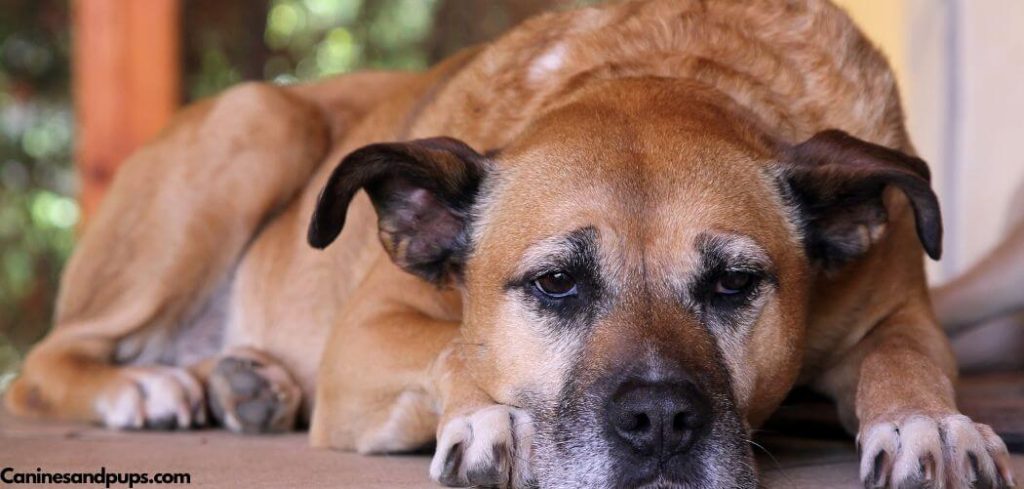
Old Dog Nystagmus: Why It Happens
Old dog nystagmus is usually caused by a problem affecting the vestibular system, which controls balance and eye movement, often linked to inner ear disease, neurological conditions, or age-related changes.
When this system is disrupted, the brain struggles to coordinate movement and orientation, leading to rapid, involuntary eye motion.
In senior dogs, this can be triggered by infections, inflammation, strokes, or idiopathic vestibular syndrome.
Why Is Nystagmus Especially Concerning In Older Dogs?
While nystagmus can occur at any age, its appearance in an older dog is particularly significant. Senior dogs are far more likely to develop underlying conditions such as inner ear disease, strokes, tumors, or age-related neurologic decline.
In younger dogs, vestibular signs are sometimes idiopathic (cause unknown) and self-limiting. In older dogs, however, nystagmus is much more likely to be associated with a definable medical cause that requires veterinary evaluation. The sudden onset of nystagmus in a senior dog should always be treated as urgent.
Old Dog Nystagmus: Symptoms
When nystagmus in an old dog occurs, it is often accompanied by other noticeable signs:
Rapid, involuntary eye movements (side-to-side or up-and-down)
Head tilt
Loss of balance or falling over
Walking in circles or uncoordinated movement
Nausea or vomiting
Reluctance to stand or move
Disorientation or confusion
Decreased appetite
Old Dog Nystagmus: Common Causes
Vestibular Disease
One of the most common causes of nystagmus in senior dogs is vestibular disease. The vestibular system, located in the inner ear and brain, is responsible for balance, coordination, and eye positioning.
When this system malfunctions, the brain receives conflicting signals about body position, causing the eyes to move involuntarily in an attempt to reorient.
Nystagmus caused by vestibular disease often appears suddenly and is usually accompanied by head tilt, stumbling, circling, or difficulty standing.
In older dogs, vestibular disease may be idiopathic or linked to deeper neurologic or ear-related issues. While some dogs improve over time, others require further investigation.
Read more: Old Dog Vestibular Disease (Signs, causes and treatment)
Inner Ear Infections
Inner ear infections are a major cause of nystagmus in senior dogs. Chronic ear disease can gradually spread from the outer or middle ear into the inner ear, where balance structures are located.
Inflammation or infection in this area disrupts normal signaling to the brain, leading to involuntary eye movements. Dogs with inner ear involvement may also show ear pain, scratching, discharge, or hearing loss.
Because older dogs often have reduced immune function, ear infections may be more severe and harder to resolve, making nystagmus more likely.
Stroke
Strokes occur when blood flow to part of the brain is interrupted. Senior dogs are more vulnerable to vascular events due to age-related changes in blood vessels and circulation.
When a stroke affects areas of the brain responsible for balance and eye control, nystagmus may appear suddenly. This type of nystagmus is often accompanied by acute disorientation, weakness, head tilt, or collapse.
While some dogs partially recover after a stroke, the sudden appearance of nystagmus in an older dog always warrants immediate evaluation.
Brain Tumors and Brain Disease
Brain tumors are an important cause of nystagmus in older dogs. Tumors can compress or irritate specific areas of the brain that regulate eye movement and balance.
Unlike idiopathic vestibular disease, tumor-related nystagmus often worsens over time rather than improving. Dogs may develop additional neurologic signs such as behavior changes, seizures, or progressive weakness.
Because brain tumors are far more common in senior dogs, persistent or worsening nystagmus should never be dismissed.
Related: Old dog having seizures (Causes and treatment)
Inflammatory Conditions
Inflammatory diseases of the brain and spinal cord can interfere with normal neurologic signaling, leading to nystagmus. In older dogs, immune regulation is less stable, increasing susceptibility to inflammatory neurologic disorders.
Degenerative neurologic conditions can also affect the pathways responsible for eye movement control. In these cases, nystagmus may develop gradually and be accompanied by other signs of neurologic decline.
These causes often require advanced diagnostics to identify and manage appropriately.
Head Trauma
Even minor trauma can have significant effects in older dogs. Falls, head injuries, or sudden jolts may disrupt the delicate balance structures of the inner ear or brain.
Because senior dogs have less neurologic reserve, injuries that might be inconsequential in a younger dog can lead to dramatic signs such as nystagmus. Trauma-related nystagmus may appear suddenly and worsen with movement.
Any suspicion of head injury in a dog showing nystagmus should be treated seriously.
Read more: Old Dog Neurological Problems (Causes and treatment)
Medication Effects and Toxin Exposure
Certain medications can affect the nervous system and alter balance or eye control, especially in older dogs who metabolize drugs more slowly. In some cases, medication side effects may contribute to nystagmus.
Toxin exposure can also disrupt neurologic function, though this is less common. When nystagmus appears after a medication change or potential exposure, this possibility should be considered.
Medication-related causes may improve once the offending substance is adjusted or removed.
Is Nystagmus Painful For Dogs?
Nystagmus itself is not painful, but it is extremely disorienting. Dogs often feel as though the world is spinning, which can cause anxiety, nausea, and distress.
Supporting the dog physically and emotionally during this time is important while seeking veterinary care.
Old Dog Nystagmus: What to Do
If you notice nystagmus, keep your dog calm and in a safe, quiet environment. Sudden movement or stimulation can worsen disorientation and anxiety.
Limit your dog’s movement to prevent falls or injury. Providing a soft, confined space can help them feel more secure while reducing the risk of accidents.
Offer food and water carefully, as nausea and balance issues may make eating difficult. Elevating bowls slightly can sometimes help.
Avoid handling your dog excessively, especially around the head, as this can increase discomfort or dizziness.
Even if symptoms seem mild, it’s important to contact your vet promptly, as nystagmus is rarely something to monitor at home without guidance.
When to Call or Visit Your Vet
Old Dog Nystagmus should always be taken seriously, especially when it appears suddenly.
If your dog cannot stand, is falling over, or seems severely disoriented, seek veterinary care immediately.
Vomiting, loss of appetite, or extreme lethargy alongside nystagmus are strong indicators of a more serious condition.
If your dog shows signs of neurological issues such as seizures, weakness, or confusion, urgent evaluation is necessary.
Any suspicion of toxin exposure or head trauma should be treated as an emergency.
Even in milder cases, a veterinary exam is important to determine the cause and ensure appropriate care.
Read more: Old Dog Head Tilt and Loss of Balance (What it means)
Read more: Old Dog Walking in Circles (Serious or not?)
Old Dog Nystagmus: Treatment
Veterinary treatment for old dog nystagmus depends on identifying the underlying cause.
Your veterinarian will perform a detailed neurological and physical examination, often focusing on ear health, balance, and reflexes. They may also ask about the onset and progression of symptoms.
Diagnostic tests such as blood work, imaging (like X-rays or MRI), or ear examinations may be required to determine the source of the problem.
Treatment varies widely. Inner ear infections may require antibiotics, while vestibular syndrome is often managed with supportive care and anti-nausea medication.
More serious conditions like tumors or neurological disorders may require advanced treatment or long-term management.
Early diagnosis is key to improving outcomes and helping your dog recover or maintain quality of life.
Key Takeaway
Old dog nystagmus is often a sign of a problem affecting balance or brain function, and it should never be ignored.
While some causes, like vestibular syndrome, can improve with time, others may require urgent medical care.
By acting quickly, providing a safe environment, and seeking veterinary guidance, you can help your dog navigate this condition with greater comfort and support.
If your dog’s eyes are moving abnormally, trust your instincts and get them checked—it’s always the safest choice.