
Old dog noisy breathing can be unsettling, especially when your senior dog suddenly starts making wheezing, snoring, or rattling sounds while breathing.
Some noises may seem harmless, however, persistent or unusual breathing sounds often signal underlying health issues.
Old Dog Noisy Breathing: Why It Happens
Noisy breathing in an old dog is usually caused by airway obstruction, respiratory disease, heart conditions, or age-related changes that affect airflow.
With age, a dog’s airway can become less efficient, and conditions like infections, fluid buildup, or structural changes can create resistance when breathing.
This resistance leads to sounds such as wheezing, snoring, or crackling. In many cases, noisy breathing is your dog’s way of signaling that something is interfering with normal airflow.
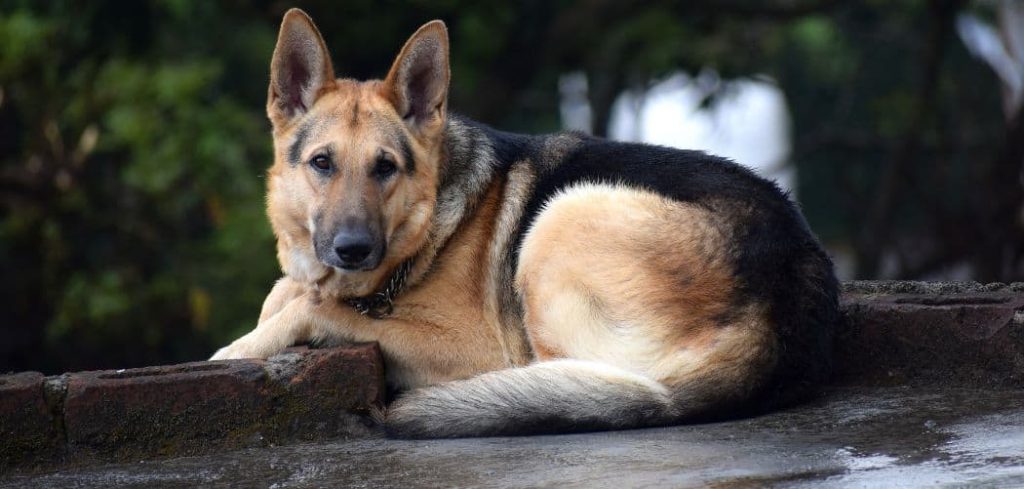
Old Dog Noisy Breathing: Symptoms
When an old dog has noisy breathing, you may notice a combination of sounds and physical signs.
Wheezing, whistling, or rattling sounds
Snoring or labored breathing even while awake
Rapid or shallow breathing
Open-mouth breathing
Coughing or gagging
Nasal discharge
Lethargy or reduced activity
Blue-tinged gums (in severe cases)
Old Dog Noisy Breathing: Common Causes
Upper Airway Obstruction
One of the most common reasons for noisy breathing is partial blockage in the upper airway. This can be caused by swelling, excess tissue, or structural changes.
When airflow is restricted, it creates turbulence, leading to sounds like wheezing or snoring.
Older dogs may experience weakening of airway tissues, making them more prone to obstruction.
Read more: Old Dog Weird Breathing Noise (Is it serious?)
Respiratory Infections
Infections affecting the lungs or airways can cause inflammation and mucus buildup. This can make breathing sound wet, rattly, or congested.
Bacterial or viral infections can narrow airways and reduce airflow efficiency. In older dogs, infections may be more severe due to a weakened immune system.
Chronic Bronchitis
Chronic bronchitis is a long-term inflammation of the airways that is common in senior dogs.
This condition causes thickening of airway walls and increased mucus production, leading to persistent coughing and noisy breathing. Over time, the airways become less flexible, making breathing more difficult.
Heart Disease
Heart problems can lead to fluid buildup in the lungs, a condition known as pulmonary edema.
This fluid interferes with normal breathing and can produce crackling or bubbling sounds.
Dogs with heart disease may also show signs of fatigue, coughing, or difficulty breathing.
Noisy breathing in this case is often a serious symptom that requires prompt attention.
Collapsing Trachea
A collapsing trachea occurs when the airway loses its shape and partially collapses during breathing.
This condition creates a characteristic honking or wheezing sound. It is more common in small and older dogs and can worsen over time.
Nasal or Sinus Issues
Problems in the nasal passages, such as infections, inflammation, or growths, can cause noisy breathing.
Blocked nasal airflow forces the dog to breathe differently, often producing snorting or congested sounds. These issues may also be accompanied by discharge or sneezing.
Tumors or Growths
In some cases, tumors in the respiratory tract can obstruct airflow and cause noise during breathing.
These growths may develop in the nose, throat, or lungs and can gradually worsen symptoms. Because tumors can mimic other conditions, they require careful evaluation.
Obesity and Reduced Fitness
Excess weight can put pressure on the respiratory system, making breathing more labored.
Older dogs that are less active may also have reduced lung efficiency. This combination can lead to heavier, noisier breathing even during mild activity or rest.
Read more: Old Dog Breathing Heavily (What’s causing it?)
Old Dog Noisy Breathing: What to Do
If your old dog has noisy breathing, start by keeping them calm and avoiding stress, as excitement can worsen breathing difficulties.
Ensure your dog is in a well-ventilated, comfortable environment with moderate temperatures.
Monitor their breathing closely, noting any changes in sound, speed, or effort.
Encourage gentle activity but avoid overexertion, especially if breathing seems strained. Keep your dog at a healthy weight, as excess weight can worsen respiratory issues.
When to Call or Visit Your Vet
If your dog’s noisy breathing is sudden, severe, or worsening, you should seek veterinary care immediately.
Difficulty breathing, open-mouth breathing, or blue gums are emergency signs.
Contact your vet if noisy breathing is accompanied by coughing, lethargy, or loss of appetite.
Persistent or recurring breathing noises should always be evaluated, even if they seem mild.
Old Dog Noisy Breathing: Treatment
Treatment for noisy breathing in an old dog depends on the underlying cause. Your veterinarian may perform diagnostic tests such as X-rays, blood work, or airway examinations to determine the source of the problem.
Treatment may include medications to reduce inflammation, antibiotics for infections, or drugs to manage heart conditions.
In some cases, oxygen therapy or more advanced interventions may be necessary.
Weight management and lifestyle adjustments are often part of long-term care. The goal is to improve airflow, reduce discomfort, and address any underlying disease.
Key Takeaway
Old dog noisy breathing is often a sign that something is affecting your dog’s airways or overall health.
While some causes may be mild, others can be serious and require prompt attention.
By monitoring your dog’s breathing, providing supportive care, and seeking veterinary help when needed, you can ensure your dog stays comfortable and safe.
Your awareness and quick response can make a significant difference in your senior dog’s health and quality of life.