
Old dog night panting can be concerning, especially when your senior dog is restless, breathing heavily, or unable to settle while the house is quiet.
While panting is normal in some situations, nighttime panting in older dogs can be a sign of an underlying health issue.
Old Dog Night Panting: Why It Happens
Night panting in an old dog is most often linked to pain, anxiety, or medical conditions that become more noticeable during rest. In old age, issues like arthritis, cognitive decline, respiratory or heart problems, and hormonal imbalances can disrupt normal sleep and cause heavy breathing at night.
Reduced distractions in the evening can make discomfort more apparent, while declining senses or confusion can increase anxiety.
In many cases, panting is your dog’s way of coping with internal stress or physical discomfort.
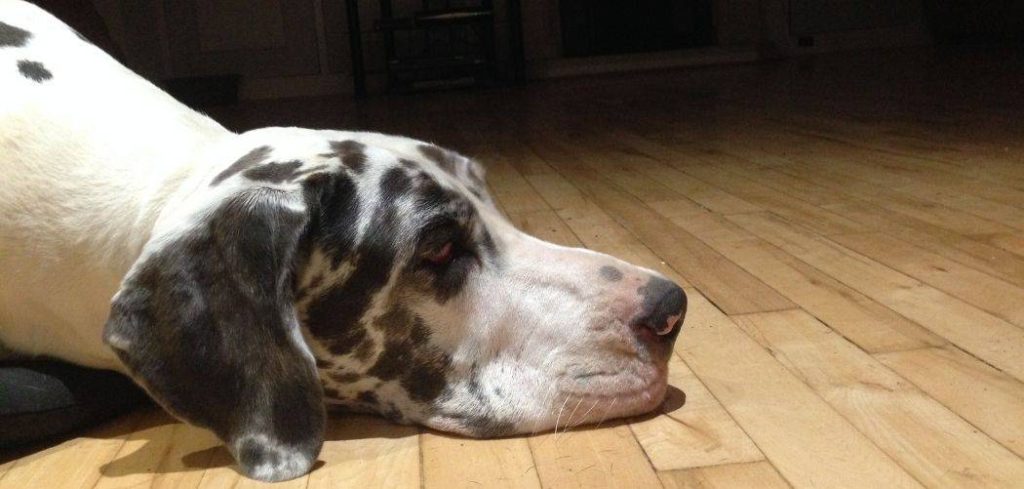
Old Dog Night Panting: Symptoms
When an old dog has night panting, you may notice additional signs that help indicate the underlying cause.
Rapid or heavy breathing during the night
Restlessness or inability to settle
Pacing or frequent repositioning
Whining or signs of distress
Increased heart rate
Panting without heat or exercise
Difficulty lying down comfortably
Changes in sleep patterns
Old Dog Night Panting: Common Causes
Arthritis
One of the most common causes of night panting in older dogs is chronic pain, especially from arthritis. During the day, movement can help keep joints loose, but at night, stiffness and discomfort often worsen.
When a dog lies down for long periods, pressure on joints can trigger pain, leading to panting as a stress response. Dogs may also get up frequently, pace, or struggle to find a comfortable position.
Because dogs often hide pain well, nighttime panting can be one of the first noticeable signs that something is wrong.
Dog Dementia
Cognitive dysfunction syndrome affects many older dogs and can disrupt normal sleep patterns. Dogs with this condition may become confused or disoriented, especially at night.
This confusion can trigger anxiety, which often presents as panting, pacing, or restlessness. The quiet and darkness of nighttime can make disorientation worse.
Panting in this case is often accompanied by other signs such as wandering, vocalizing, or changes in behavior.
Related: Old dog syndrome (Signs, causes and treatment)
Stress
Older dogs can become more anxious as they age, even without obvious triggers. Nighttime anxiety is particularly common because the environment is quieter and less stimulating.
Dogs may pant as a way of coping with stress or uncertainty. This can be linked to separation sensitivity, changes in routine, or reduced confidence.
Panting caused by anxiety is often paired with pacing, whining, or seeking attention.
Read more: Old Dog Night Anxiety (What’s causing it?)
Heart or Respiratory Conditions
Panting at night can also be a sign of heart disease or respiratory issues. These conditions can make it harder for your dog to breathe comfortably, especially when lying down.
You may notice increased effort when breathing, coughing, or reluctance to rest. In some cases, dogs may sit or stand instead of lying down to ease breathing.
This type of panting should always be taken seriously, as it may indicate a more serious underlying condition.
Hormonal Disorders
Hormonal imbalances, such as Cushing’s disease, are common in older dogs and can cause increased panting. These conditions affect how the body regulates stress hormones.
Dogs with hormonal disorders may pant excessively, even when they are not hot or active. Nighttime can make these symptoms more noticeable.
Other signs may include increased thirst, appetite changes, or weight gain.
Overheating
Older dogs may have a harder time regulating body temperature, making them more sensitive to heat. Even a slightly warm room can cause discomfort.
Panting is a natural way for dogs to cool down, so nighttime panting may occur if the sleeping environment is too warm.
This cause is usually easier to address but should still be considered, especially in warmer climates.
Medication Side Effects
Certain medications can cause panting as a side effect, particularly those that affect hormones or the nervous system.
If your dog has recently started a new medication and begins panting at night, it’s worth discussing with your veterinarian.
Adjusting the dosage or switching medications may help resolve the issue.
Read more: Old Dog Suddenly Not Sleeping at Night (What’s causing it?)
Old Dog Night Panting: What to Do
If your old dog has night panting, start by ensuring their sleeping environment is cool, quiet, and comfortable. Adjusting room temperature and providing proper bedding can make a noticeable difference.
Establish a consistent routine to help your dog feel secure. Regular feeding times, evening walks, and a calm bedtime routine can reduce anxiety.
Make sure your dog has an opportunity to go outside before bed, as discomfort from a full bladder can contribute to restlessness and panting.
Observe your dog’s behavior closely, noting any additional symptoms such as coughing, pacing, or changes in appetite. These clues can help identify the cause.
Offer gentle reassurance if your dog seems anxious, but avoid overstimulation. A calm presence can help them settle more easily.
When to Call or Visit Your Vet
If night panting persists or worsens, it’s important to consult your veterinarian. Ongoing panting is rarely normal in older dogs.
Seek immediate care if panting is accompanied by difficulty breathing, coughing, or signs of distress. These may indicate heart or respiratory problems.
You should also contact your vet if your dog shows signs of pain, such as stiffness, reluctance to move, or sensitivity when touched.
Increased thirst, appetite changes, or weight gain may point to hormonal disorders that require evaluation.
If your dog is unable to rest, appears anxious, or shows sudden changes in behavior, a veterinary visit is necessary.
Old Dog Night Panting: Treatment
Treatment depends on identifying the underlying cause. The veterinarian may perform a physical exam, blood tests, and imaging to check for conditions such as arthritis, heart disease, or hormonal imbalances.
If pain is the cause, appropriate pain management can significantly improve comfort and reduce panting.
For cognitive dysfunction, treatment may include medications, supplements, and dietary adjustments to support brain health.
If heart or respiratory issues are diagnosed, specific medications and lifestyle adjustments will be recommended.
In cases of anxiety, behavioral strategies, calming aids, or medications may be used to help your dog relax.
Key Takeaway
Old dog night panting is often a sign that something is affecting your dog’s comfort, health, or sense of security.
While it may sometimes be caused by simple factors like temperature, it is frequently linked to pain, anxiety, or underlying medical conditions.
By observing your dog carefully, making supportive changes at home, and seeking veterinary guidance when needed, you can help your dog rest more comfortably.
Your attention and care play a vital role in ensuring your senior dog stays healthy, relaxed, and supported through the night.