
Old dog night anxiety can be distressing for both you and your pet, especially when your once-calm companion suddenly becomes restless, vocal, or unable to settle after dark.
Nighttime anxiety in older dogs often signals underlying physical or cognitive changes that shouldn’t be ignored.
Old Dog Night Anxiety: Why It Happens
Night anxiety in an old dog is usually caused by age-related changes affecting the brain, senses, or overall comfort. Common reasons include cognitive decline (similar to dementia), worsening vision or hearing, pain from arthritis, increased need to urinate, or underlying medical conditions that become more noticeable at night.
As dogs age, their ability to cope with changes in environment or routine decreases, making nighttime particularly unsettling.
Many dogs become more anxious in the dark because their senses are reduced and they feel disoriented or vulnerable.
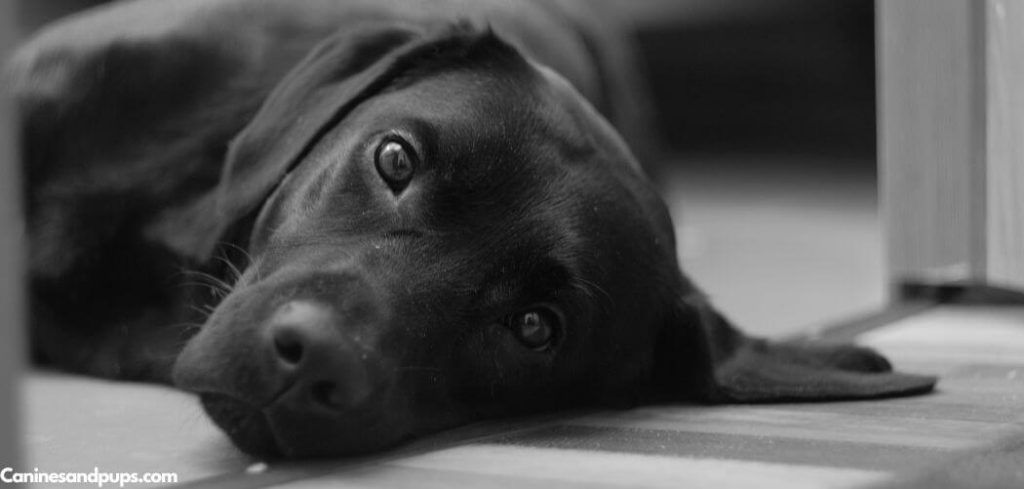
Old Dog Night Anxiety: Symptoms
When an old dog has night anxiety, the signs are often most noticeable after sunset or during sleeping hours.
Restlessness or pacing at night
Whining, barking, or howling after dark
Difficulty settling or staying asleep
Increased clinginess or seeking reassurance
Wandering aimlessly or appearing confused
House accidents during the night
Panting or signs of stress without clear cause
Sudden changes in sleep-wake patterns
Old Dog Night Anxiety: Common Causes
Cognitive Dysfunction Syndrome (Dog Dementia)
One of the most common causes of old dog night anxiety is cognitive dysfunction syndrome, often compared to dementia in humans. As the brain ages, changes occur that affect memory, awareness, and normal sleep cycles.
Dogs with this condition may forget familiar routines, become disoriented in their own home, or wake up confused during the night. This confusion often leads to pacing, vocalizing, or seeking comfort from their owners.
Nighttime can be particularly challenging because reduced lighting makes it harder for them to orient themselves, increasing anxiety and restlessness.
Related: Old dog syndrome (Signs, causes and treatment)
Vision Loss or Hearing Decline
As dogs age, their senses naturally weaken. Reduced vision or hearing can make nighttime especially stressful because the environment becomes harder to interpret.
A dog that cannot see well in low light may become fearful of shadows or unfamiliar shapes. Similarly, hearing loss can prevent them from detecting reassuring sounds, making them feel isolated or unsafe.
This sensory decline often leads to increased dependence on owners and noticeable anxiety after dark.
Pain or Discomfort
Chronic pain, especially from conditions like arthritis, is another major cause of nighttime anxiety in older dogs. During the day, movement and distractions may help mask discomfort, but at night, the pain becomes more noticeable.
Lying down for long periods can make joints stiff and sore, leading to frequent repositioning, pacing, or inability to settle.
Dogs may not always show obvious signs of pain, so night restlessness is sometimes one of the first clues.
Read more: Old Dog Laboured Breathing at Night (Should you worry?)
Increased Need to Urinate
Older dogs may develop conditions that increase urination, such as kidney disease, diabetes, or hormonal imbalances. This can cause them to wake up frequently during the night with an urgent need to go outside.
If they cannot relieve themselves in time, they may become anxious, restless, or vocal. This can also lead to accidents indoors, which may further increase stress.
Nighttime disruptions from bladder pressure can significantly impact your dog’s ability to rest peacefully.
Anxiety or Separation Sensitivity
Some older dogs develop increased emotional sensitivity and may struggle with being alone, especially at night. This can happen even in dogs that were previously independent.
Changes in routine, aging-related insecurity, or reduced sensory awareness can make them feel more vulnerable when separated from their owners.
This often leads to clingy behavior, whining, or refusal to settle unless they are close to you.
Hormonal or Medical Conditions
Certain medical conditions can contribute to anxiety, especially at night. Hormonal disorders such as Cushing’s disease or thyroid imbalances can affect energy levels, sleep patterns, and behavior.
Dogs with these conditions may appear restless, unable to relax, or unusually alert during nighttime hours.
In some cases, underlying illnesses may also cause subtle discomfort or confusion that worsens after dark.
Environmental Changes
Even small changes in the home environment can trigger night anxiety in older dogs. Moving furniture, changes in lighting, new pets, or altered routines can all contribute to confusion.
Older dogs rely heavily on familiarity, and disruptions can make them feel unsettled, particularly at night when everything is quieter and less predictable.
This sensitivity to change often becomes more pronounced with age.
Read more: Old Dog Suddenly Not Sleeping at Night (What’s causing it?)
Old Dog Night Anxiety: What to Do
If your old dog has night anxiety, start by creating a calm and predictable nighttime routine. Keeping feeding times, walks, and bedtime consistent can help reduce confusion and provide a sense of security.
Providing a comfortable sleeping area with supportive bedding can ease discomfort, especially if your dog has joint pain. Placing their bed near you can also help reduce feelings of isolation.
Consider using a soft night light to improve visibility and reduce disorientation in the dark. This simple change can make a big difference for dogs with declining vision.
Gentle exercise during the day can help your dog rest more easily at night, but avoid overstimulation close to bedtime. A calm, quiet environment in the evening encourages relaxation.
If your dog becomes anxious at night, offer reassurance without reinforcing anxious behavior excessively. A calm presence and gentle comfort can help them settle more easily.
When to Call or Visit Your Vet
If night anxiety appears suddenly or worsens quickly, it’s important to consult your veterinarian. Sudden changes often point to an underlying medical issue.
Seek veterinary care if your dog shows signs of confusion, disorientation, or memory loss, as these may indicate cognitive dysfunction.
You should also contact your vet if anxiety is accompanied by physical symptoms such as increased urination, weight loss, changes in appetite, or signs of pain.
If your dog is unable to sleep, paces constantly, or vocalizes persistently at night, this level of distress should not be ignored.
Any combination of behavioral changes and physical symptoms warrants a thorough evaluation to rule out serious conditions.
Old Dog Night Anxiety: Treatment
Treatment for old dog night anxiety depends on identifying the underlying cause.
Your vet may perform a physical exam, blood tests, and possibly imaging to rule out medical conditions such as kidney disease, hormonal imbalances, or pain-related issues.
If cognitive dysfunction is diagnosed, treatment may include medications, dietary changes, and supplements designed to support brain health and slow progression.
For dogs experiencing pain, appropriate pain management strategies can significantly improve comfort and reduce nighttime restlessness.
In cases of anxiety, your vet may recommend behavioral strategies, calming supplements, or medications to help your dog relax and sleep more comfortably.
Environmental adjustments and routine changes are often part of a comprehensive treatment plan.
Key Takeaway
Old dog night anxiety is a common but often misunderstood issue that can significantly impact your dog’s quality of life.
While it may seem like a simple behavior change, it is often linked to deeper physical or cognitive changes associated with aging.
By paying attention to symptoms, creating a calm environment, and seeking veterinary guidance when needed, you can help your dog feel safer and more comfortable at night.
Your patience, consistency, and care play a vital role in supporting your aging dog through these changes and ensuring they continue to feel secure and loved.