
Noticing mucus in an old dog’s stool can be alarming, especially if it appears suddenly or keeps happening. You may see clear, jelly-like strands, slimy coating on the stool, or stool that looks otherwise normal but is covered in mucus.
While small amounts of mucus can occasionally appear in healthy dogs, frequent or increasing mucus in a senior dog’s stool is usually a sign that something is irritating the digestive tract.
What Does Mucus In An Old Dog’s Stool Mean?
Mucus in an old dog’s stool usually indicates irritation or inflammation in the lower digestive tract, particularly the colon or rectum. Mucus is a natural secretion that helps the intestines move stool smoothly, but when there is excess mucus, it can signal that the digestive system is reacting to something.
Common causes include dietary changes, food intolerance, or mild infections, such as bacterial or parasitic overgrowth. It can also occur with inflammatory bowel disease, colitis, or anal gland issues. In some cases, mucus in the stool is accompanied by other symptoms like diarrhea, straining, or blood, which can indicate a more serious problem.
While a small amount of mucus occasionally may not be serious, persistent or large amounts of mucus should prompt a veterinary evaluation to determine the underlying cause and guide appropriate treatment.
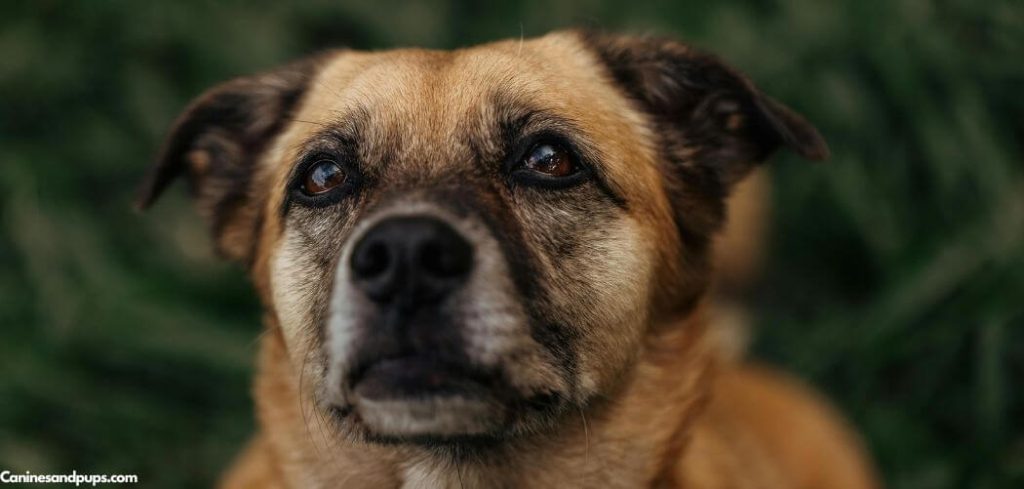
Why Are Older Dogs More Prone To Mucus In Stool?
Older dogs are more vulnerable to gastrointestinal changes due to aging, chronic disease, and reduced immune function. As dogs age, their digestive systems become more sensitive. The gut lining thins, beneficial gut bacteria may decline, and the immune system becomes less efficient at regulating inflammation.
Senior dogs are also more likely to have chronic conditions such as kidney disease, liver disease, arthritis requiring medication, or hormonal disorders, all of which can indirectly affect gut health. Because of these changes, even minor digestive stressors can lead to visible mucus production in stool.
Mucus In Old Dog’s Stool: Common Causes
Colitis and Large Intestinal Inflammation
One of the most common reasons an old dog has mucus in his stool is colitis, which is inflammation of the large intestine. When the colon becomes irritated, it produces excess mucus as a protective response.
In senior dogs, colitis may develop due to stress, dietary changes, infection, or chronic inflammatory disease.
Stool may appear soft, poorly formed, or normal in shape but coated with mucus. Dogs may strain to defecate or need to go more frequently, often producing small amounts of stool.
Colitis-related mucus can come and go, but recurring episodes suggest an ongoing problem that should be addressed.
Related: Old constant diarrhea (Signs, causes and treatment)
Dietary Sensitivities
Older dogs can develop food sensitivities even if they’ve eaten the same diet for years. Changes in digestion and immune regulation can suddenly make certain proteins, fats, or additives harder to tolerate.
When the digestive tract reacts to an ingredient it no longer tolerates well, inflammation occurs, leading to mucus production.
This may happen without severe diarrhea, making it easy to overlook as a diet-related issue.
Food intolerance often causes intermittent mucus in stool, gas, bloating, or mild appetite changes rather than dramatic illness.
Parasites and Intestinal Infections
Parasites and infections are not just problems for puppies. Senior dogs with weakened immune systems can be vulnerable to intestinal parasites or bacterial overgrowth.
Parasites irritate the intestinal lining, triggering mucus production as the body tries to protect itself.
Infections may cause inflammation without obvious fever or severe diarrhea in older dogs, allowing the issue to persist quietly.
Repeated or persistent mucus in stool should always raise concern for infection, even in dogs that appear otherwise stable.
Inflammatory Bowel Disease
Inflammatory bowel disease is a chronic condition that causes ongoing inflammation of the gastrointestinal tract. While it can affect dogs of any age, it is often diagnosed later in life after months or years of subtle symptoms.
In older dogs, inflammatory bowel disease can cause mucus in stool, changes in stool consistency, weight loss, and fluctuating appetite. The inflammation disrupts normal digestion and stimulates mucus production.
This condition is typically progressive and requires veterinary management rather than home treatment alone.
Stress
Stress has a powerful effect on the digestive system, particularly the colon. Even in senior dogs, changes in routine, environment, or household dynamics can trigger intestinal irritation.
Stress-related colitis often produces mucus-rich stool that appears suddenly and resolves once the stressor is removed. However, older dogs are less resilient to stress, meaning even small disruptions can cause digestive symptoms.
Stress-induced mucus may occur alongside pacing, restlessness, or changes in sleep patterns.
Medication Side Effects
Many senior dogs take medications for arthritis, heart disease, or other chronic conditions. Some medications, especially anti-inflammatory drugs, can irritate the gastrointestinal tract over time.
This irritation may lead to increased mucus production in the stool, sometimes without obvious pain or appetite loss. Because older dogs metabolize medications differently, side effects may appear later even if the drug has been used long-term.
Medication-related mucus should always be discussed with a veterinarian, as adjustments may be needed.
Rectal and Anal Gland Issues
Problems near the end of the digestive tract can also cause mucus in stool. Anal gland inflammation, rectal irritation, or minor tears can stimulate mucus secretion.
Senior dogs may strain due to arthritis or weakness, increasing pressure on the rectal area. This can cause irritation and mucus without widespread intestinal disease.
Mucus from rectal sources is often seen coating the outside of the stool rather than mixed throughout.
Tumors in the Colon
Cancer risk increases with age, and tumors affecting the colon or rectum can cause chronic inflammation and mucus production. These growths may partially obstruct stool passage or irritate the intestinal lining.
In older dogs, tumor-related mucus may be accompanied by weight loss, appetite changes, blood in the stool, or worsening stool quality over time.
While not the most common cause, it is an important consideration when mucus is persistent or progressive.
Related: Old dog diarrhea and blood (Causes and treatment )
When Mucus In Stool Is Likely Mild
Occasional mucus that appears once or twice and resolves quickly may not be serious, especially if your dog is otherwise eating, drinking, and behaving normally. Temporary digestive upset or mild stress can cause short-lived mucus production.
However, frequency, duration, and accompanying symptoms matter far more than a single episode.
Signs That Mucus In Stool Is A Problem
Mucus becomes concerning when it appears repeatedly, increases over time, or occurs alongside other symptoms. Warning signs include diarrhea, straining, blood in the stool, appetite loss, weight loss, lethargy, vomiting, or behavior changes.
Any mucus in stool paired with weakness or dehydration should be evaluated promptly in a senior dog.
When To Call Or Visit The Vet
While a small amount of mucus in stool can sometimes be mild, in older dogs it’s important to be more cautious, as it may signal an underlying health issue. You should contact your veterinarian if you notice any of the following:
Mucus persists for more than 1–2 days
Diarrhea or very loose stools alongside the mucus
Blood in the stool (bright red or dark/black)
Straining or difficulty passing stool
Loss of appetite or vomiting
Lethargy or weakness
Sudden weight loss
Dehydration signs (dry gums, reduced drinking)
Because senior dogs are more vulnerable to complications, early veterinary evaluation helps identify the cause quickly and prevent more serious digestive or systemic problems.
Mucus In Old Dog’s Stool: Treatment
Veterinary treatment for mucus in an old dog’s stool depends on the underlying cause, which is often related to colitis (inflammation of the colon), infection, parasites, or chronic digestive conditions in senior dogs.
A physical exam and stool analysis is done to check for parasites, bacteria, or signs of inflammation. Based on the findings, treatment may include:
Medications to reduce inflammation in the colon (commonly used for colitis)
Deworming treatments, even if parasites are not immediately detected
Antibiotics if a bacterial infection is suspected
Probiotics to restore healthy gut bacteria
Dietary changes, such as a high-fiber or easily digestible prescription diet to support gut health
In cases of chronic or recurring mucus, further tests like bloodwork, ultrasound, or specialized diets may be recommended to rule out conditions such as inflammatory bowel disease or other age-related digestive disorders.
Because older dogs are more sensitive to dehydration and underlying illness, persistent mucus in stool, especially with diarrhea, blood, or appetite changes, should always be evaluated by a veterinarian promptly to ensure proper treatment and comfort.
Key Takeaway
Seeing mucus in an old dog’s stool is a meaningful signal that the digestive system is under stress. While some causes are mild and manageable, others reflect chronic inflammation or underlying disease that deserves attention.
By monitoring patterns, seeking veterinary guidance, and addressing issues early, you can help your senior dog maintain digestive comfort and overall well-being.
Paying attention to stool changes is one of the most effective ways to protect an older dog’s health during their golden years.