
An old dog moaning when lying down can be unsettling to see, especially when it becomes frequent or sounds like your dog is in discomfort.
While occasional groaning can be normal in senior dogs, repeated moaning during rest often signals pain, stiffness, or an underlying issue that needs attention.
Old Dog Moaning When Lying Down: Why It Happens
Moaning when an older dog lies down is usually a sign of discomfort, most often related to joint pain, muscle weakness, internal issues, or age-related changes in the brain and body.
As dogs age, even simple movements like lowering themselves to rest can strain joints and muscles. In some cases, the sound reflects physical pain, while in others it may be linked to breathing difficulty, abdominal discomfort, or confusion. Understanding the context and accompanying symptoms is key to identifying the cause.
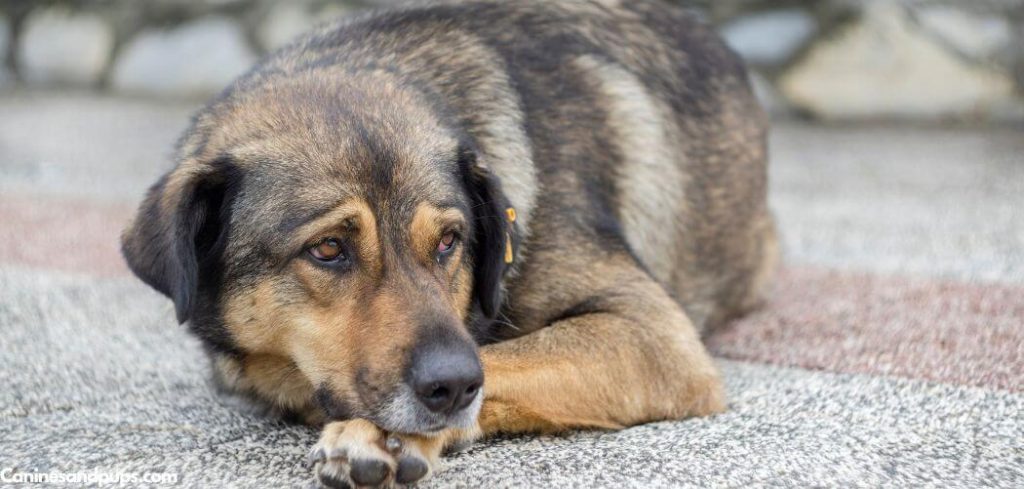
Old Dog Moaning When Lying Down: Symptoms
When your dog shows this behavior, you may also notice:
Groaning or vocalizing when lowering the body
Taking longer to lie down
Stiffness, especially after rest
Difficulty getting comfortable
Frequent repositioning
Reluctance to move or get up
Panting or signs of discomfort
Changes in sleep patterns
Old Dog Moaning When Lying Down: Common Causes of
Arthritis and Joint Degeneration
Arthritis is one of the most common reasons older dogs vocalize when lying down, and it often develops gradually over time.
As cartilage in the joints wears away, bones begin to rub against each other, creating inflammation and stiffness. When your dog lowers their body to the ground, this movement places pressure on already sensitive joints such as the hips, elbows, and spine.
Many dogs will hesitate before lying down, circle repeatedly, or slowly ease themselves into position. The moaning often happens at the moment of contact with the floor or shortly after, as they adjust their weight.
You may also notice that your dog frequently shifts positions, unable to get comfortable, especially at night or after exercise.
Related: Old dog hip dysplasia (Signs, causes and treatment)
Muscle Weakness
Aging naturally leads to reduced muscle mass, which can make even routine movements physically demanding.
When a dog lies down, their muscles must control the descent and stabilize the body. Weak muscles can make this process harder, leading to strain or fatigue that results in vocalization.
This kind of moaning often sounds like effort rather than sharp pain. It may be accompanied by trembling, slower movement, or difficulty getting up afterward.
Over time, muscle loss can create a cycle where reduced activity leads to further weakness, increasing discomfort during basic movements.
Spinal Issues and Nerve Pain
Problems affecting the spine can also make lying down uncomfortable. Conditions like degenerative disc disease or nerve compression can cause sharp or radiating pain when the dog changes position. Even slight shifts in posture can irritate sensitive nerves.
Dogs with spinal discomfort may arch their back, move cautiously, or avoid certain positions altogether. The moaning may occur as they lower themselves or when they attempt to settle.
Because nerve pain can be unpredictable, some dogs may seem fine one moment and uncomfortable the next.
Abdominal Pain or Internal Conditions
Moaning when lying down isn’t always related to joints or muscles—it can also come from internal discomfort.
When a dog lies down, pressure is placed on the abdomen. If there is inflammation, gas buildup, or organ-related pain, this pressure can trigger a groan or whine.
You might notice your dog avoiding lying on one side, appearing restless, or getting up and down frequently.
Other signs such as reduced appetite, vomiting, or changes in bowel movements can indicate that the issue is internal rather than musculoskeletal.
Breathing Difficulty or Heart Conditions
Some older dogs struggle to breathe comfortably when lying flat. Conditions affecting the heart or lungs can cause fluid buildup or reduced oxygen flow, making certain positions uncomfortable.
As your dog lies down, they may moan while trying to adjust into a position that allows easier breathing.
You may also notice panting, coughing, or a preference for sitting upright rather than lying fully on their side.
These cases often worsen at night or after minimal activity, and they should always be evaluated promptly.
Cognitive Dysfunction
Cognitive dysfunction in senior dogs can lead to confusion, anxiety, and changes in behavior.
Moaning during transitions like lying down may be linked to disorientation rather than physical pain. Your dog may seem unsure, restless, or unsettled as they try to get comfortable.
This behavior is often accompanied by pacing, staring into space, or disrupted sleep patterns.
Because these changes develop gradually, they may be mistaken for normal aging at first.
Read more: Old Dog Syndrome (Understanding the causes)
Anxiety
Older dogs can become more emotionally sensitive, especially if their senses are declining.
Moaning when lying down may reflect a need for reassurance or a response to feeling vulnerable. This is particularly common at night or in quiet environments.
Dogs may seek closeness, follow you more than usual, or show signs of unease when left alone.
While not always linked to physical pain, emotional distress can still affect your dog’s overall comfort and well-being.
Minor Injuries or Hidden Pain
Even small injuries can cause noticeable discomfort in older dogs. A slight strain, bruise, or joint irritation may not be obvious during activity but can become painful when pressure is applied during lying down.
Because older dogs often hide pain, moaning may be one of the first signs something is wrong.
If the behavior appears suddenly, especially after exercise or a slip, it’s worth considering the possibility of an injury.
Old Dog Moaning When Lying Down: What to Do
Start by observing how your dog moves throughout the day. Pay attention to stiffness, hesitation, or changes in posture that could point to discomfort.
Providing a supportive, orthopedic bed can make a significant difference. Softer surfaces reduce pressure on joints and help your dog rest more comfortably.
Limit activities that strain the body, such as jumping or climbing stairs. Simple changes like adding ramps or rugs can reduce stress on aging joints.
Keep your dog warm, especially during colder weather, as low temperatures can worsen stiffness and pain.
Maintain a calm and predictable routine, offering reassurance if your dog seems anxious or unsettled.
If the moaning continues or becomes more frequent, it’s best to consult your veterinarian rather than waiting for it to resolve on its own.
When to Call or Visit Your Vet
If your dog begins moaning suddenly when lying down, it’s important to take note.
A sudden change can indicate injury or acute pain that needs attention.
If the behavior is accompanied by loss of appetite, vomiting, or lethargy, this may suggest an internal issue.
Difficulty breathing, persistent panting, or coughing alongside moaning should be treated as urgent.
If your dog struggles to lie down or avoids resting altogether, this indicates significant discomfort.
Ongoing changes in mobility, behavior, or sleep patterns are strong reasons to seek veterinary advice.
Old Dog Moaning When Lying Down: Treatment
Veterinary treatment depends on identifying the root cause of the discomfort.
Your veterinarian will perform a thorough physical examination, focusing on joints, muscles, spine, and overall mobility. They may also assess breathing and abdominal sensitivity.
Diagnostic tests such as X-rays or blood work may be recommended to uncover underlying conditions like arthritis or internal disease.
Treatment often includes pain management, anti-inflammatory medications, or supportive therapies to improve comfort.
If an underlying condition is found, treatment will be tailored accordingly to address the specific issue.
Early intervention can greatly improve your dog’s comfort and quality of life.
Key Takeaway
An old dog moaning when lying down is often a sign that your dog is experiencing discomfort, even if it seems mild at first.
Whether the cause is joint pain, internal issues, or age-related changes, this behavior shouldn’t be ignored.
By paying attention to subtle signs, making your dog’s environment more comfortable, and seeking veterinary care when needed, you can help ensure they remain comfortable and supported in their senior years.
If something feels off, it’s always worth checking—your dog relies on you to notice these changes.