
Hearing your old dog moan while sleeping can be unsettling, especially if the sounds are new or becoming more frequent.
Some senior dogs occasionally whimper, groan, or make soft vocalizations during sleep as they dream, while others may be responding to pain, discomfort, or age-related health conditions.
Understanding the difference between normal sleep noises and signs of illness can help you decide when veterinary care is needed.
Table of Contents
Old Dog Moaning in Sleep: Why It Happens
An old dog may moan in their sleep because of dreaming, arthritis, chronic pain, canine cognitive dysfunction, breathing problems, or other age-related medical conditions.
While occasional sleep vocalizations are often harmless, frequent or distressing moaning may indicate an underlying health problem.
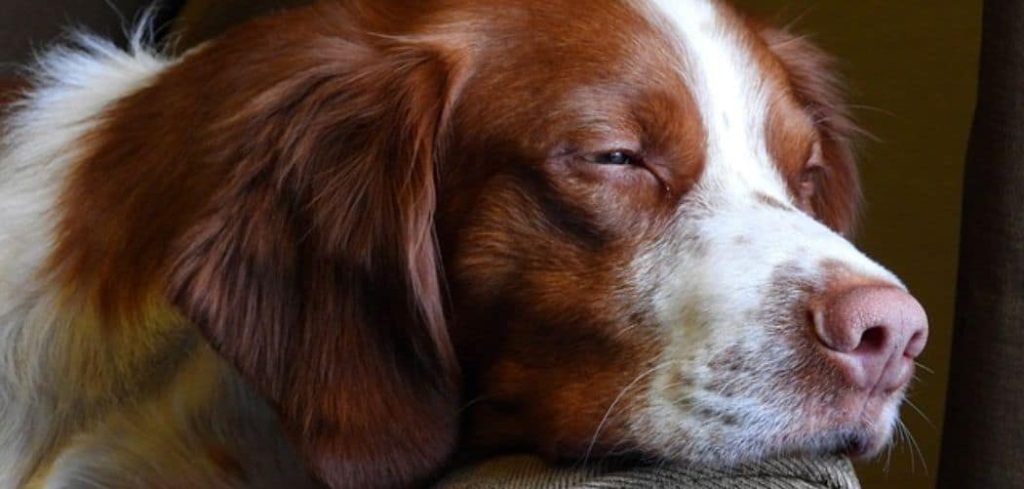
Is It Normal for an Old Dog to Moan in Their Sleep?
Yes, occasional vocalization during sleep can be completely normal. Dogs, like humans, experience different sleep cycles, including REM (Rapid Eye Movement) sleep. During REM sleep, dreaming occurs.
An old dog moaning in sleep may simply be reacting to a dream. You might notice paw twitching, soft barking, or gentle whimpering alongside the sounds.
However, frequent, intense, or distressed-sounding moaning—especially if paired with other symptoms—can indicate underlying issues. The key is recognizing patterns.
Understanding Sleep Changes in Senior Dogs
Senior dogs often sleep more during the day but may have fragmented sleep at night. Their sleep cycles can become lighter and shorter.
An old dog moaning in sleep may increase because aging affects the brain’s regulation of sleep stages. Cognitive changes can alter dream intensity and awareness.
In some cases, deeper health concerns may also interfere with restful sleep. Careful observation is important.
Old Dog Moaning in Sleep: Symptoms
Common symptoms may include:
Moaning during sleep
Whimpering or groaning
Twitching while asleep
Restless sleep
Stiffness after waking
Panting
Confusion after waking
Reduced daytime activity
Old Dog Moaning in Sleep: Common Causes
Dreaming During Sleep
One of the most common and harmless reasons an old dog moans in their sleep is dreaming.
Like people, dogs experience different stages of sleep, including rapid eye movement (REM) sleep, when dreams are most likely to occur.
During this stage, dogs may twitch their legs, move their eyes beneath closed eyelids, wag their tails, softly bark, whimper, or moan.
These episodes are usually brief and stop once the dog changes sleep stages or wakes up. After waking, the dog typically appears alert and behaves normally.
Occasional dream-related moaning is considered a normal part of sleep and usually does not require treatment.
Read more: Old dog sleeps all day (Why it happens)
Arthritis and Joint Pain
Arthritis is one of the most common causes of nighttime discomfort in senior dogs.
As dogs remain in one position for an extended period, stiff and inflamed joints can become painful. Even while asleep, the discomfort may cause groaning or soft moaning when they shift their body or stretch.
Many owners notice their dog also struggles to get comfortable before falling asleep or appears stiff when getting up in the morning.
Because arthritis pain often worsens with age, sleep disturbances may gradually become more frequent if the condition is not properly managed.
Chronic Pain
Pain from conditions other than arthritis can also cause sleep vocalizations.
Older dogs commonly develop spinal disease, hip dysplasia, muscle injuries, abdominal discomfort, or nerve pain.
During sleep, movement or changes in position may briefly increase discomfort, causing the dog to moan without fully waking.
Unlike dreaming, pain-related moaning may occur almost every night and is often accompanied by stiffness, limping, reluctance to exercise, or difficulty standing.
Persistent nighttime vocalization should prompt a veterinary examination to determine whether chronic pain is contributing.
Canine Cognitive Dysfunction
Canine cognitive dysfunction can affect both sleeping patterns and nighttime behavior.
As the aging brain changes, some dogs experience disrupted sleep cycles and become more restless during the night. They may vocalize while sleeping, wake frequently, pace after waking, or appear confused.
Additional symptoms include wandering, staring into space, getting stuck behind furniture, forgetting familiar routines, or sleeping more during the day while remaining awake at night.
Although cognitive dysfunction cannot be cured, treatment may help improve sleep quality and reduce nighttime disturbances.
Read more: Old dog poops in sleep (Here’s why)
Breathing Problems
Respiratory conditions may also contribute to unusual noises during sleep.
Older dogs with heart disease, chronic airway disease, or conditions affecting the nose or throat may breathe more heavily while sleeping.
Occasionally, these breathing changes produce groaning or moaning sounds.
You may also notice coughing, loud breathing, snoring, excessive panting, or reduced exercise tolerance during the day.
Because breathing problems can worsen over time, persistent sleep noises accompanied by respiratory symptoms should be evaluated promptly.
Anxiety or Poor Sleep Quality
Some senior dogs sleep less soundly than they did when they were younger.
Vision loss, hearing loss, changes in routine, or anxiety may cause lighter, more restless sleep.
These dogs may vocalize more often because they awaken easily or remain partially alert throughout the night.
The moaning may occur alongside frequent position changes, pacing after waking, or difficulty settling back to sleep.
Providing a quiet, comfortable sleeping area may help improve sleep quality for some dogs.
Underlying Medical Conditions
Several age-related illnesses can interfere with normal sleep. Kidney disease, liver disease, heart disease, cancer, hormonal disorders, and neurological conditions may all contribute to discomfort that becomes more noticeable during periods of rest.
Some dogs also show increased thirst, weight loss, reduced appetite, vomiting, confusion, or declining energy levels.
Because senior dogs commonly have multiple medical conditions at the same time, persistent sleep vocalizations should always be evaluated within the context of your dog’s overall health.
Old Dog Moaning in Sleep: What to Do
Observe whether the moaning occurs occasionally or every time your dog sleeps.
Watch for twitching, paw movements, or rapid eye movements that may suggest your dog is dreaming.
Provide a supportive orthopedic bed to help reduce pressure on aging joints. Monitor your dog’s mobility, appetite, breathing, and behavior after waking.
Avoid waking your dog suddenly during a dream unless necessary for safety.
When to Call or Visit the Vet
Contact your veterinarian if your dog’s sleep moaning becomes frequent or is accompanied by other changes.
Schedule an appointment if you notice:
Nightly moaning
Stiffness after waking
Limping
Restless sleep
Confusion
Reduced appetite
Seek immediate veterinary attention if your dog develops:
Difficulty breathing
Collapse
Severe pain
Repeated vomiting
Seizures
Inability to stand
Old Dog Moaning in Sleep: Treatment
Veterinary assessment includes a physical examination to assess your dog’s joints, neurological function, heart, lungs, and overall health.
Depending on the suspected cause, diagnostic testing may include bloodwork, urinalysis, X-rays, neurological evaluation, or imaging studies.
Treatment depends on the underlying condition and may include pain management, medications for canine cognitive dysfunction, treatment of heart or respiratory disease, management of chronic illnesses, or supportive care to improve sleep quality.
Recovery and Monitoring
Recovery depends on the reason your dog is moaning during sleep. Dogs that are simply dreaming usually require no treatment, while those with arthritis or chronic pain often improve significantly with appropriate management.
Dogs with cognitive dysfunction or chronic medical conditions typically benefit from ongoing care and regular monitoring.
Continue observing your dog’s sleep patterns, mobility, breathing, appetite, and overall comfort.
Regular veterinary checkups are especially important for senior dogs because many age-related conditions develop gradually and respond best to early treatment.
Key Takeaway
An old dog that moans in their sleep may simply be dreaming, but the behavior can also result from arthritis, chronic pain, canine cognitive dysfunction, breathing problems, or another age-related medical condition.
Occasional sleep vocalizations are usually normal, especially if your dog wakes up acting completely normal.
However, frequent moaning, signs of pain, breathing difficulties, or other changes in behavior should be evaluated by a veterinarian to ensure your senior dog remains comfortable and healthy.


