
Finding a lump on your old dog’s leg can be worrying, especially if it seems to appear suddenly or continues to grow.
While many lumps in senior dogs are harmless, others can indicate infections, cysts, tumors, or cancer.
Because older dogs are more likely to develop growths than younger dogs, every new lump should be monitored closely and examined by a veterinarian.
Table of Contents
Old Dog Lump on Leg: Why It Happens
An old dog may develop a lump on their leg because of a fatty tumor, cyst, abscess, skin tumor, insect bite, arthritis-related swelling, or another age-related medical condition.
Some lumps remain small and harmless for years, while others grow rapidly and require prompt treatment.
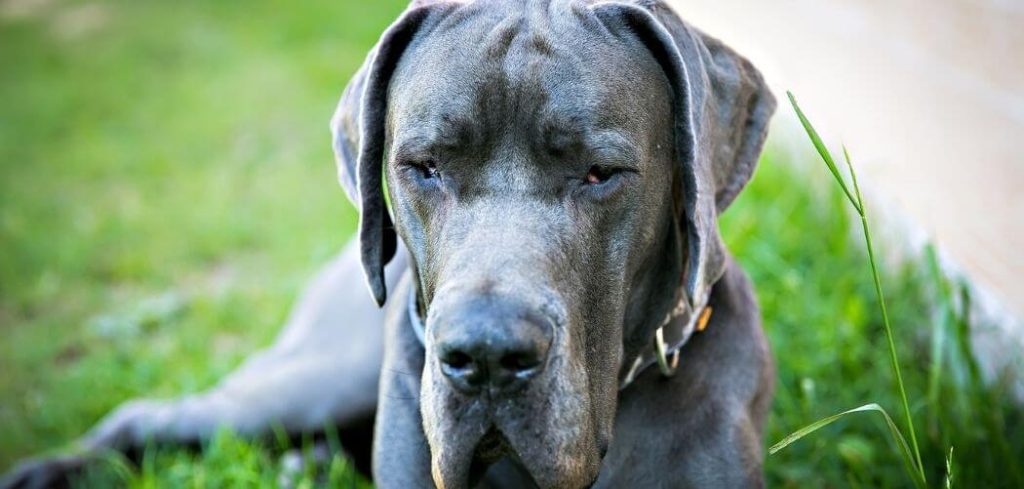
Are Lumps on Senior Dogs Common?
Yes, lumps are very common in older dogs. As the body ages, abnormal cell growth becomes more likely. Many senior dogs develop at least one mass during their lifetime.
However, while common, an old dog lump on leg should never be ignored. The leg is a mobile, weight-bearing area, which means even benign growths can affect comfort and mobility.
The key is determining whether the lump is harmless or something more serious.
What to Look for When You Find a Lump
When you notice an old dog lump on a leg, carefully observe its size, shape, texture, and growth rate.
Is it soft or firm? Does it move under the skin, or is it fixed in place? Has it grown quickly?
Also monitor for pain, redness, discharge, or limping. These details help veterinarians assess urgency.
Keeping a record of changes over time is helpful.
Old Dog Lump on Leg: Symptoms
Symptoms may include:
Lump on the leg
Swelling
Limping
Redness
Warmth over the lump
Hair loss over the area
Pain when touched
Difficulty walking
Old Dog Lump on Leg: Common Causes
Lipoma (Fatty Tumor)
One of the most common causes of a lump on a senior dog’s leg is a lipoma.
Lipomas are benign fatty tumors that develop beneath the skin. They are especially common in middle-aged and older dogs and often feel soft, smooth, and movable under the skin.
Most lipomas grow slowly over months or years and do not cause pain. However, if they become very large or develop near a joint, they may interfere with movement and make walking uncomfortable.
Although lipomas are usually harmless, they cannot be reliably identified by appearance alone.
Your veterinarian will often recommend a fine needle aspiration to confirm that the lump is truly a lipoma and not another type of growth.
Related: Old dog lumps and bumps (Causes and treatment)
Sebaceous Cyst
Sebaceous cysts are another common cause of lumps in older dogs.
These small sacs form when hair follicles or oil glands become blocked, allowing material to accumulate beneath the skin. The lump is usually round, firm, and slow-growing.
Some cysts remain unchanged for years, while others rupture and release a thick, white, or yellow material. If bacteria enter the cyst, it can become infected, swollen, and painful.
Most sebaceous cysts are benign, but they should still be evaluated if they continue growing or become inflamed.
Mast Cell Tumor
A mast cell tumor is one of the most common skin cancers seen in dogs.
Unlike many other tumors, mast cell tumors can vary greatly in appearance. They may feel soft or firm, remain small, or suddenly enlarge over a short period.
Some seem to shrink temporarily before becoming swollen again because they release inflammatory chemicals.
The lump may become red, itchy, or ulcerated, causing the dog to lick or chew at the area.
Although some mast cell tumors behave relatively mildly, others can spread to other parts of the body.
Because they can resemble harmless lumps, every new skin mass in an older dog should be examined by a veterinarian.
Related: Old dog tumors (Causes and treatment)
Soft Tissue Sarcoma
Soft tissue sarcomas are tumors that develop within connective tissues such as muscle, fat, or fibrous tissue.
These tumors often appear as firm lumps beneath the skin and usually grow slowly. Initially, they may not cause pain, allowing owners to discover them by chance while petting their dog.
As the tumor enlarges, it may interfere with normal movement or place pressure on nearby muscles, nerves, or joints.
Although many soft tissue sarcomas spread slowly, early diagnosis improves treatment options and outcomes.
Abscess or Infection
A bacterial infection can cause a swollen lump on the leg. Abscesses often develop after bite wounds, punctures, cuts, or foreign objects enter the skin.
The body’s immune system creates a pocket of infection filled with pus, resulting in a warm, swollen lump.
Dogs with abscesses may limp, lick the affected area, or react when the lump is touched. As the infection progresses, the lump may eventually rupture and drain fluid.
Early veterinary treatment helps prevent the infection from spreading.
Insect Bite or Sting
Bee stings, wasp stings, spider bites, and other insect encounters can cause localized swelling on a dog’s leg.
The swelling often appears suddenly and may feel firm or puffy. Some dogs show only mild swelling, while others develop redness, itching, or discomfort.
Most insect-related swelling improves within a day or two, but allergic reactions can occasionally become more severe.
Monitor closely for facial swelling, vomiting, or breathing difficulties following an insect sting.
Joint Swelling From Arthritis
Not every lump on the leg is actually located within the skin. Older dogs commonly develop arthritis, which can cause swelling around affected joints.
The enlarged joint may feel like a lump beneath the skin, particularly around the elbows, knees, or hocks.
Dogs with arthritis often limp, move stiffly after resting, hesitate to climb stairs, or struggle to rise from lying down.
Although arthritis cannot be cured, appropriate pain management can greatly improve a senior dog’s comfort and mobility.
Old Dog Lump on Leg: What to Do
Examine the lump carefully and note its size, location, shape, and whether it feels soft or firm.
Take a photo and measure the lump with a ruler every few weeks to monitor for changes.
Observe whether your dog is licking the area, limping, or showing signs of discomfort.
Monitor appetite, energy level, weight, and overall behavior for additional changes.
Avoid squeezing, puncturing, or attempting to drain the lump yourself, as this can cause pain or infection.
When to Call or Visit the Vet
Contact your veterinarian whenever you discover a new lump on your senior dog’s leg.
Schedule an appointment if you notice:
A lump that continues growing
Limping
Redness or swelling
Hair loss over the lump
Pain when touched
Multiple new lumps
Seek immediate veterinary attention if your dog develops:
A rapidly growing lump
Bleeding or ulceration
Severe pain
Inability to bear weight
Collapse
Difficulty breathing
Old Dog Lump on Leg: Treatment
Veterinary assessment includes a physical examination to evaluate the lump’s size, texture, and location. In many cases, a fine needle aspiration is recommended to collect cells for microscopic examination.
Depending on the findings, additional testing may include biopsy, bloodwork, X-rays, ultrasound, or advanced imaging.
Treatment depends on the underlying cause and may include monitoring benign lipomas, draining abscesses, antibiotics, surgical removal of cysts or tumors, cancer treatment, or medications to manage arthritis and inflammation.
Recovery and Monitoring
Recovery varies depending on the diagnosis. Benign fatty tumors often require only periodic monitoring, while infections typically improve quickly with appropriate treatment.
Cancerous growths may require surgery, chemotherapy, radiation therapy, or long-term monitoring.
Continue checking the lump regularly for changes in size, shape, or appearance. Because senior dogs commonly develop new growths as they age, routine veterinary examinations are important for detecting potentially serious problems early.
Key Takeaway
An old dog with a lump on the leg may have a lipoma, sebaceous cyst, abscess, insect bite, arthritis-related swelling, or a skin tumor such as a mast cell tumor or soft tissue sarcoma.
Although many lumps are benign, it is impossible to determine the cause by appearance alone.
A veterinarian should examine any new lump on a senior dog. Early diagnosis provides the best opportunity for effective treatment and helps ensure your dog remains comfortable and active.


