
Liquid diarrhea in an old dog can be alarming, especially when it happens suddenly or repeatedly.
Unlike mild loose stool, watery diarrhea can quickly lead to dehydration and weakness, making it more serious, particularly in senior dogs.
What Does Liquid Diarrhea in Old Dogs Mean?
Liquid diarrhea refers to stool that has almost no solid form and appears like water, thin soup, or muddy fluid. It may soak into bedding, leak uncontrollably, or occur suddenly with urgency.
In senior dogs, liquid diarrhea usually means that the digestive system is failing to regulate fluids, bacteria, and inflammation.
This is far more serious than mildly loose stool.
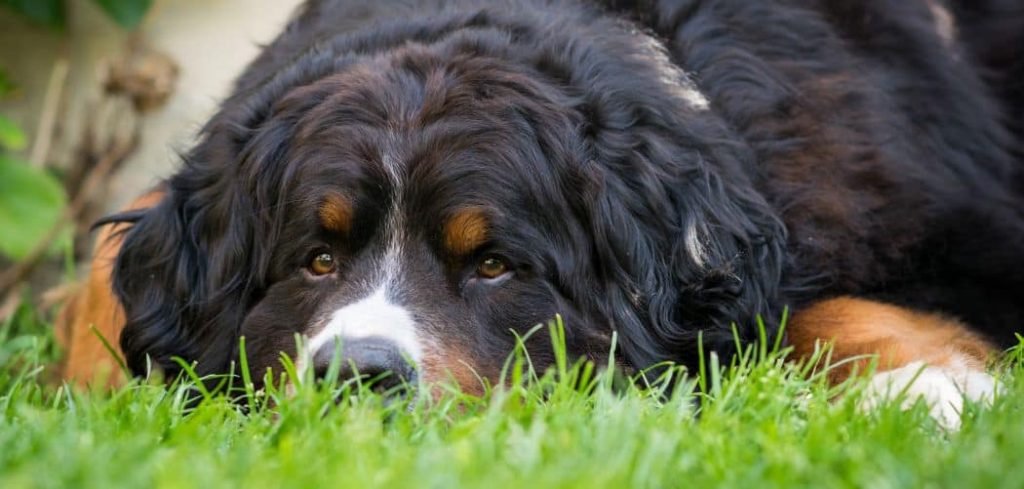
Old Dog Liquid Diarrhea: Why It Happens
When an old dog has liquid diarrhea, it usually means the intestines are unable to absorb water properly due to severe irritation, inflammation, or rapid movement of contents through the digestive tract.
When age, their digestive system becomes more sensitive and less efficient, making them more prone to severe diarrhea.
Common causes include infections, colitis, dietary upset, parasites, and chronic disease.
An old dog with liquid diarrhea is often experiencing a strong inflammatory response in the intestines, which leads to excessive fluid secretion and very rapid stool passage.
Old Dog Liquid Diarrhea: Symptoms
If your old dog has liquid diarrhea, you may notice:
Completely watery stool
Frequent bowel movements
Urgency or inability to hold stool
Accidents in the house
Dehydration (dry gums, sunken eyes)
Lethargy
Loss of appetite
Vomiting (in some cases)
Abdominal discomfort
Weakness
Old Dog Liquid Diarrhea: Common Causes
Infections
Infections in the gastrointestinal tract can cause significant disruption to digestion, leading to liquid diarrhea. Harmful bacteria or viruses damage the intestinal lining and trigger inflammation.
This damage causes fluid to leak into the intestines while also speeding up movement, preventing proper absorption.
The result is watery stool that may occur frequently and suddenly. In senior dogs, infections can be more severe due to a weakened immune system, and symptoms may escalate quickly.
Read more: Old Dog Constant Diarrhea (Why it happens)
Severe Colitis
Colitis (colon inflammation) can become severe enough to produce completely liquid stool, especially when inflammation in the colon is intense. In this state, the colon loses its ability to absorb water and regulate stool consistency.
The inflamed colon reacts by contracting frequently and forcefully, pushing contents through too quickly. This results in watery diarrhea, often accompanied by urgency and repeated attempts to defecate.
In older dogs, severe colitis can develop rapidly and may be triggered by stress, dietary changes, or underlying disease.
The severity of the inflammation determines how watery and frequent the stool becomes.
Dietary Indiscretion or Food Reaction
Eating spoiled food, garbage, or something unusual can overwhelm the digestive system and cause severe irritation. Older dogs are particularly sensitive to dietary mistakes.
When the digestive system encounters something it cannot process, it may respond by rapidly expelling it. This leads to liquid diarrhea as the intestines increase movement and fluid secretion.
In some cases, even a sudden change in regular food can trigger a similar reaction.
Parasites
Parasites can severely irritate the intestinal lining, leading to inflammation and poor nutrient absorption. This can result in liquid diarrhea, especially if the infestation is significant.
The parasites disrupt normal digestive function, causing the intestines to release more fluid and move contents more quickly.
In older dogs, even mild infestations can lead to pronounced symptoms due to reduced resilience.
Chronic Gastrointestinal Disease
Long-term digestive conditions can cause episodes of severe diarrhea, including liquid stool. These conditions often involve ongoing inflammation and impaired absorption.
When the digestive system is compromised, it cannot regulate fluid levels properly, leading to watery stool during flare-ups. These episodes may come and go but can become more severe over time without proper management.
Toxin Ingestion
Ingesting toxic substances can cause the body to react quickly to eliminate the harmful material. This often results in liquid diarrhea.
The intestines increase fluid secretion and movement to flush out the toxin, leading to sudden and severe diarrhea. This is often accompanied by other symptoms such as vomiting, lethargy, or discomfort.
Read more: Old Dog Leaking Diarrhea (What it means)
Old Dog Liquid Diarrhea: What to Do
If your old dog has liquid diarrhea, start by ensuring they stay hydrated. Offer small amounts of water frequently to prevent dehydration.
Switch to a bland diet such as boiled chicken and rice to help calm the digestive system.
Avoid treats, rich foods, or sudden dietary changes during this time. Allow your dog to rest and minimize stress.
Monitor the frequency and severity of diarrhea and watch for additional symptoms.
When to Call or Visit Your Vet
If diarrhea is severe, frequent, or lasts more than 24 hours, contact your veterinarian.
Signs of dehydration, weakness, or lethargy require immediate attention.
Vomiting, refusal to eat, or blood in the stool should be evaluated promptly.
If symptoms worsen or appear suddenly and severely, seek veterinary care.
Any case of liquid diarrhea in a senior dog should be taken seriously.
Old Dog Liquid Diarrhea: Treatment
Veterinary treatment focuses on stabilizing your dog and identifying the underlying cause. Your vet may perform stool tests, blood work, or imaging.
Infections or parasites will be treated with appropriate medications. Fluids may be given to address dehydration.
Dietary adjustments may be recommended to support recovery. Chronic conditions will require ongoing management.
Key Takeaway
Liquid diarrhea in an old dog is a serious symptom that often indicates significant digestive irritation or illness.
Prompt attention is essential to prevent dehydration and complications.
Monitoring symptoms and seeking veterinary care when needed can help ensure proper treatment.
With timely care, many dogs can recover and regain stable digestion.