
Seeing an old dog limping on a front leg can be especially concerning because dogs carry much of their body weight on their front limbs. In senior dogs, front-leg limping often signals underlying conditions that should not be ignored.
We explain the common causes of front-leg limping in old dogs, what you can do at home, and when to seek veterinary care.
Old Dog Limping Front Leg: Why It Happens
When an old dog is limping on a front leg, it is most commonly caused by joint wear, soft-tissue injury, nerve involvement, or age-related structural changes. The shoulders, elbows, wrists, and paws absorb significant impact during walking, making them vulnerable to arthritis and strain over time.
Reduced muscle mass and slower healing in senior dogs can turn minor injuries into persistent limping. In some cases, front-leg limping may also point to systemic or bone-related disease that requires immediate veterinary evaluation.
Signs of Front-Leg Limping in Old Dogs
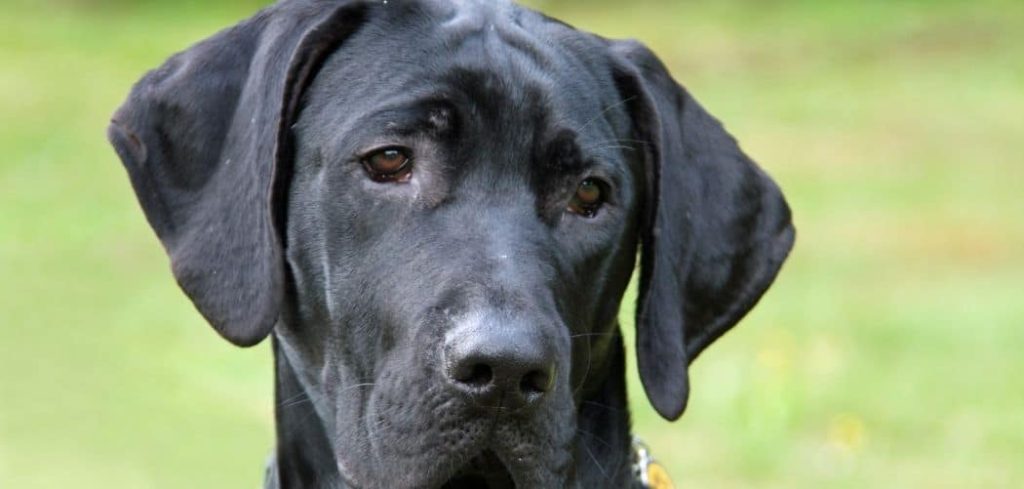
An old dog limping on a front leg may favor one side, lift the paw while standing, or shorten their stride. Some dogs limp only after exercise, while others show stiffness after resting.
You may also notice reluctance to go on walks, difficulty getting comfortable when lying down, or subtle changes in posture as your dog shifts weight away from the painful limb.
Old Dog Limping Front Leg: Common Causes
Osteoarthritis
Osteoarthritis is one of the most common causes of front-leg limping in old dogs. Over time, cartilage in the shoulder, elbow, or wrist joints wears down, leading to inflammation, stiffness, and chronic pain.
Dogs with arthritis often limp more noticeably after resting or during cold weather. As the disease progresses, the limp may become more constant and interfere with daily movement.
Read more: Old Dog Limping Back Leg (What’s causing the limping?)
Elbow Dysplasia and Degenerative Joint Disease
Elbow dysplasia can affect dogs earlier in life but often becomes more problematic in senior years. The abnormal joint structure leads to uneven wear, inflammation, and pain with weight bearing.
An old dog with elbow disease may limp intermittently at first, especially after activity, then worsen as joint degeneration advances. Pain is often more noticeable when turning or rising from rest.
Shoulder Injuries and Tendon Strain
The shoulder joint relies heavily on muscles and tendons for stability. In older dogs, these soft tissues weaken and are more prone to strain or tearing.
A sudden limp after slipping, jumping, or even normal activity may indicate shoulder injury. Dogs may resist having the leg extended or show pain when the shoulder is touched.
Paw, Nail, or Wrist Problems
Issues lower in the limb can also cause front-leg limping. Cracked pads, overgrown nails, arthritis in the wrist, or small wounds may lead to noticeable discomfort.
Senior dogs may not heal as quickly, so even minor paw injuries can cause prolonged limping if left untreated.
Nerve Compression or Cervical Spine Disease
Problems in the neck or upper spine can affect nerve signals to the front legs. This may cause weakness, limping, or an abnormal gait rather than obvious joint pain.
Dogs with nerve involvement may stumble, knuckle over the paw, or show stiffness in the neck alongside front-leg limping.
Bone Disease or Tumors
Although less common, persistent front-leg limping in an old dog may be linked to bone disease or cancer. This type of limping often worsens steadily and does not improve with rest.
Swelling, visible deformity, or pain when the limb is gently touched may accompany the limp and warrant urgent veterinary evaluation.
Read more: Old Dog Back Legs Collapsing (Causes and what to do)
Old Dog Limping Front Leg: What to Do
Begin by reducing activity. Limit long walks, running, and jumping to prevent further strain on the affected leg.
Provide a comfortable resting area with supportive bedding to reduce joint pressure. Keeping your dog warm can also help ease stiffness.
Check the paw and nails carefully for cuts, swelling, or foreign objects. Even small issues can cause significant discomfort in older dogs.
Maintain a healthy weight, as excess weight places additional stress on aging joints and can worsen limping.
Monitor closely. Take note of when the limp occurs, whether it improves with rest, and if any new symptoms appear.
When to Call or Visit Your Veterinarian
Contact your veterinarian if front-leg limping lasts longer than 24–48 hours or continues to worsen.
Seek immediate care if your dog refuses to put weight on the leg, cries out in pain, or shows signs of nerve weakness such as dragging the paw.
Immediate veterinary attention is also important if limping is accompanied by swelling, fever, lethargy, or loss of appetite, as these may indicate serious underlying conditions.
Read more: Old Dog Legs Splayed Out (What it means)
Old Dog Limping Front Leg: Treatment
Veterinary treatment for an old dog limping on a front leg depends on the underlying cause, which commonly includes arthritis, soft tissue injury (sprain/strain), elbow dysplasia, shoulder problems, or even bone tumors in senior dogs.
At the clinic, the veterinarian will typically perform a physical and orthopedic exam to locate the source of pain. X-rays are often recommended to check for arthritis progression, fractures, joint instability, or masses. In some cases, bloodwork may be advised before starting medications, especially in older dogs.
Common Veterinary Treatments:
Anti-inflammatory medications (NSAIDs) to reduce pain and swelling.
Joint support therapy, such as prescription joint supplements or injectable joint medications.
Pain management plans, which may include additional medications if arthritis is advanced.
Weight management programs to reduce joint strain.
Physical therapy or laser therapy to improve mobility.
Surgery, if there is a ligament tear, severe joint damage, or a tumor.
If the limp is sudden, severe, non-weight-bearing, or accompanied by swelling, crying, lethargy, or loss of appetite, immediate veterinary care is important.
In senior dogs, even a mild limp should be evaluated sooner rather than later, since early treatment can significantly improve comfort and mobility.
Key Takeaway
An old dog limping on a front leg is often a sign of pain related to joint degeneration, soft-tissue injury, or age-related structural changes. Because front legs bear much of a dog’s weight, even mild issues can quickly affect comfort and mobility.
Early support at home combined with timely veterinary care can significantly improve outcomes. Addressing the cause sooner rather than later helps protect your dog’s comfort, independence, and quality of life as they age.